The life cycle of a monarch is one of the most beautiful examples of complete metamorphosis in nature. A tiny cream-colored egg becomes a striped monarch caterpillar, then a green chrysalis, and finally an orange-and-black butterfly that may fly across huge distances. This change is not just pretty to watch. It is also deeply connected to milkweed, wildflowers, weather, migration, and the health of the wider Ecosystem.
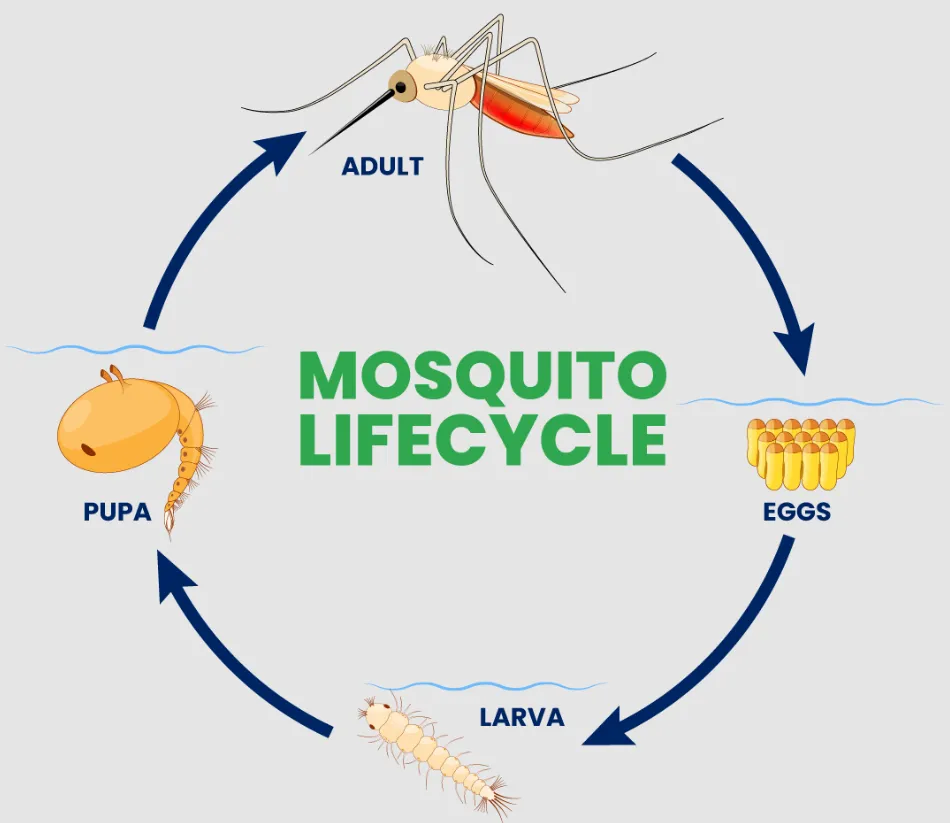
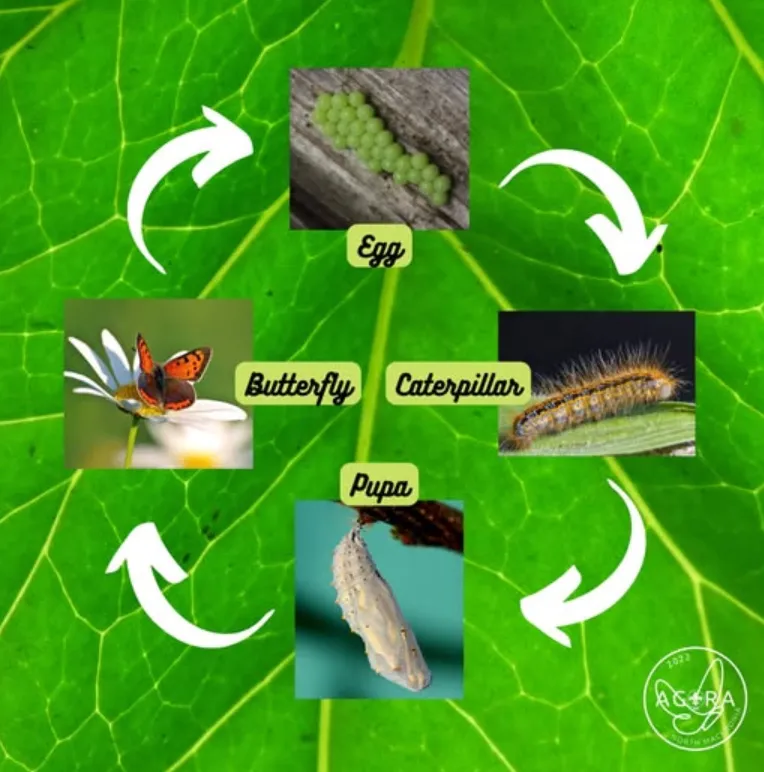
A monarch butterfly’s scientific name is Danaus plexippus. It belongs to the butterfly family Nymphalidae and is best known in North America for its long migration. The full life cycle usually moves through four main stages: egg, larva, pupa, and adult. Official monarch biology resources describe the same four-stage process: adults emerge after the chrysalis stage and dry their wings before flying.
Today, monarchs are also a conservation concern. The eastern migratory monarch population in Mexico occupied 2.93 hectares during the 2025–2026 overwintering season, a rise from the year before, while the western population remains very low.
Q: What are the four stages in the life cycle of a monarch?
A: The four stages are egg, monarch caterpillar, chrysalis, and adult monarch butterfly.
Q: What does a monarch caterpillar eat?
A: A monarch caterpillar eats milkweed leaves. Adult monarchs drink nectar from flowers.
Q: How long does the monarch’s life cycle take?
A: In warm weather, the full change from egg to adult often takes about one month, though timing changes with temperature, food, and local conditions.
Quick Life Cycle Table
| Stage | What Happens | Main Food | Usual Time |
| Egg | A female monarch lays a tiny egg on milkweed | None yet | About 3–5 days |
| Larva / Monarch caterpillar | Caterpillar hatches, eats milkweed, grows fast | Milkweed leaves | About 10–14 days |
| Chrysalis / Pupa | A caterpillar changes inside a green chrysalis | No feeding | About 8–15 days |
| Adult monarch | Butterfly emerges, dries wings, feeds, mates, migrates | Flower nectar | Weeks to months |
This table gives a simple view, but nature is not always exact. Cool weather can slow development. Warm weather can speed it up. Food quality, predators, parasites, and storms can also affect each stage.
The History of Their Scientific Naming
The monarch butterfly is scientifically called Danaus plexippus. The name has a long history tied to early taxonomy and classical naming traditions.
- Carl Linnaeus first described the monarch in 1758 under the older butterfly genus Papilio. Later, it was placed in the genus Danaus.
- The genus name Danaus comes from Greek mythology. Many early butterfly names were taken from ancient stories and royal-sounding figures.
- The species name plexippus is also linked to classical Greek naming.
- The common name monarch was promoted in the 19th century. It likely refers to the butterfly’s strong appearance, wide range, and “royal” orange-and-black wings.
- In older literature, monarchs may be referred to by other names, including Anosia plexippus, but Danaus plexippus is the accepted scientific name today.
This naming history matters because it helps separate the real butterfly from other uses of the word monarch, such as kings, queens, brands, or pop culture titles.
Their Evolution And Their Origin
The monarch butterfly belongs to a larger group known as the milkweed butterflies. These butterflies developed a close relationship with milkweed plants, which contain bitter and toxic compounds called cardenolides. Many animals avoid eating milkweed because of these chemicals, but monarch caterpillars evolved ways to feed on it.
This relationship gave monarchs a survival advantage. As the monarch caterpillar eats milkweed, it stores some of those bitter chemicals in its body. Later, the adult butterfly still carries some chemical defense. Birds and other predators often learn that the bright orange-and-black pattern means “bad taste” or “do not eat.”
Over time, monarchs also developed strong flight ability. The migratory monarchs of North America are especially famous because some travel from Canada and the northern United States to overwintering grounds in Mexico. One butterfly does not complete this migration in a single full yearly loop. Instead, several generations help continue the cycle.
The overwintering generation is different. These monarchs can live for months, delay reproduction, and store energy for migration. That is one reason monarchs are almost impossible to spot: they are fragile insects, yet they can cross mountains, farms, cities, and open landscapes.
Their origin is not limited to a single place. Danaus plexippus is found across different regions, but the North American migratory population is the best-studied. The butterfly’s success depends on connected habitats: milkweed for breeding, nectar flowers for adults, and safe overwintering forests or coastal groves. When any part of that chain breaks, the whole migration becomes weaker.
Their main food and its collection process
Monarchs eat different foods at different life stages. The monarch caterpillar and the adult butterfly do not feed in the same way.
- Egg stage: The egg does not feed. It rests on milkweed until the tiny larva develops inside.
- Caterpillar stage: The monarch caterpillar eats milkweed leaves. This is its only main food source.
- Chrysalis stage: The chrysalis does not eat. The body is rebuilding itself inside.
- Adult stage: Adult monarchs drink nectar from many kinds of flowers. They use a long tube-like mouthpart called a proboscis.
The food collection process starts when a female monarch finds milkweed. She uses sight, smell, and touch to choose a plant. Then she lays eggs, often one at a time, on the underside of leaves or on tender parts of the plant.
After hatching, the caterpillar may eat its eggshell first. Then it begins chewing milkweed. As it grows, it sheds its skin several times. Each growth stage is called an instar. By the final instar, the caterpillar is much larger and eats heavily.
Adult monarchs collect food differently. They land on flowers, unroll the proboscis, and sip nectar. Nectar gives them sugar energy for flying, mating, and migration. Conservation groups recommend both milkweed and a variety of native nectar plants because caterpillars need milkweed, while adults need flowers across the season.
Important Things That You Need To Know
The word monarch can mean more than one thing, so context matters. In biology, monarch usually refers to the orange-and-black butterfly Danaus plexippus. In history or politics, the term ” monarch” often refers to a king, queen, emperor, or other royal ruler. That royal meaning is one reason the butterfly’s common name feels powerful.
The phrase monarch butterflies usually refers to the species as a group, especially when people talk about migration, milkweed, gardens, or conservation. A monarch caterpillar is the larval stage of the same insect. It is not a separate animal. It is the young feeding stage that later becomes a chrysalis and then an adult butterfly.
Some search terms can be confusing. Monarch’s legacy of monsters is tied to entertainment and pop culture, not to the real butterfly life cycle. It does not describe monarch biology, migration, food, or reproduction.
For nature lovers, the most important point is simple: monarchs depend on plants. Without milkweed, female monarchs cannot lay eggs successfully, and caterpillars cannot survive. Without nectar flowers, adult monarchs struggle to find energy. Without a safe overwintering habitat, migratory monarchs lose the resting places they need.
Current population reports show mixed news. Eastern monarchs had a better 2025–2026 winter count than the previous year, but western monarchs are still in a dangerous low range.
Their life cycle and ability to survive in nature
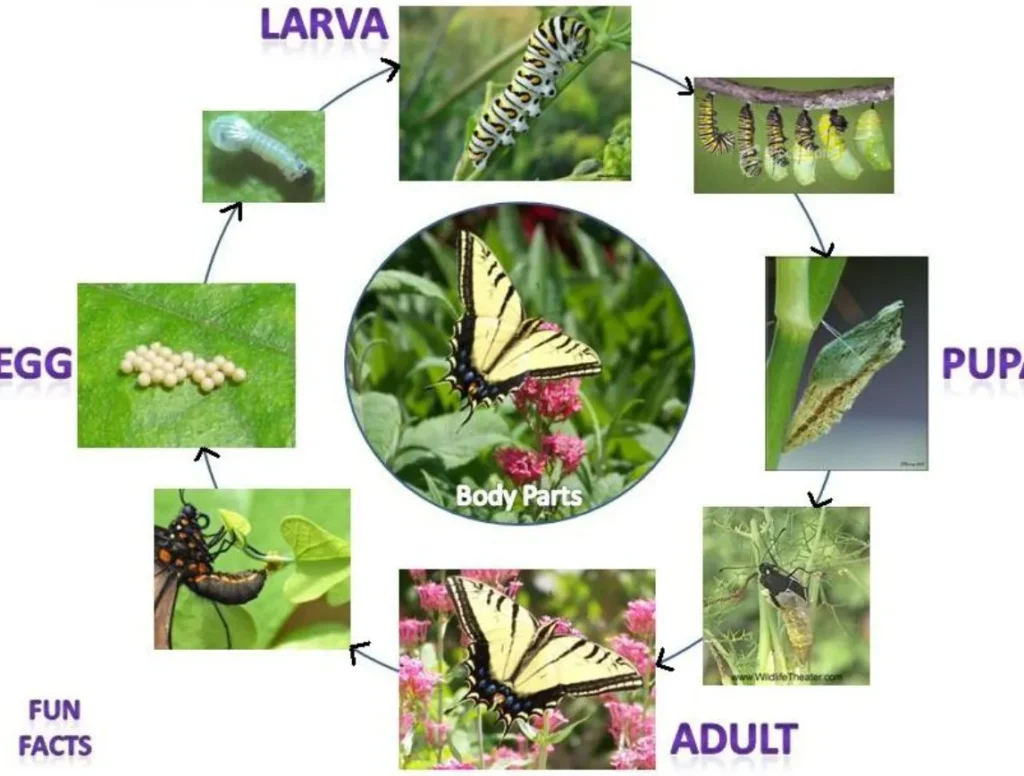
Egg Stage
The life cycle begins when a female monarch lays an egg on milkweed. The egg is tiny, pale, and usually shaped like a small dome with fine ridges. Choosing milkweed is not random. The young caterpillar must have milkweed as soon as it hatches.
Monarch Caterpillar Stage
After hatching, the caterpillar eats almost nonstop. It grows through five instars, shedding its skin when the body becomes too large. Its black, white, and yellow stripes are easy to recognize. This stage is risky because caterpillars face predators, disease, parasites, and adverse weather conditions.
Chrysalis Stage
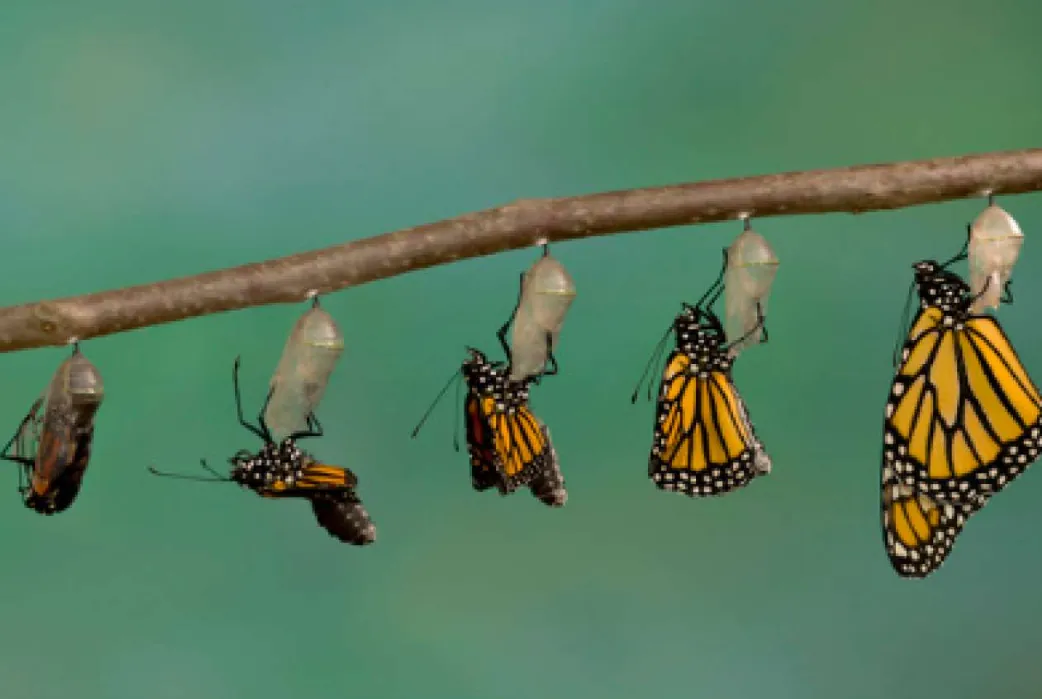
When fully grown, the caterpillar leaves the feeding area and finds a safer place to hang. It forms a “J” shape, sheds its skin, and becomes a green chrysalis. Inside, the body changes completely.
Adult Monarch Butterfly Stage
The adult emerges with soft, folded wings. It pumps fluid into them, waits for them to harden, and then flies away. Adult monarchs survive by finding nectar, avoiding predators, mating, and, in migratory populations, moving across long distances. Their color warns predators, while their flight helps them escape danger.
Their Reproductive Process and raising their children
Monarchs do not raise their young like birds or mammals. There is no nest, parental feeding, or family care after egg-laying. Still, the female monarch makes one very important parental choice: she must place the egg on the right plant.
- Male and female monarchs mate after reaching adulthood.
- The female stores sperm and later fertilizes eggs as she lays them.
- She searches for milkweed because that is the required host plant for the caterpillar.
- Eggs are usually laid singly, which can reduce competition between caterpillars.
- One female may lay many eggs during her life, but only a small number survive to adulthood.
- After the egg is laid, the young monarch must survive on its own.
This may sound harsh, but it is common among insects. Monarchs use a “many eggs, low survival rate” strategy. Nature removes many eggs and caterpillars through spiders, ants, wasps, birds, disease, and weather.
The mother’s most important job is choosing suitable milkweed. Suppose she lays eggs on weak, treated, or poorly placed plants, survival drops. If she finds healthy milkweed in a balanced habitat with nectar nearby, the next generation has a better chance.
In migratory monarchs, reproduction is also linked to season. Some generations breed quickly. The late-season migratory generation delays reproduction until after winter, saving energy for the long journey.
The importance of them in this Ecosystem
Pollination Support
Adult monarch butterflies visit flowers for nectar. While they are not the only pollinators, they can move pollen as they feed. Their presence supports the larger pollinator community and reminds people why wildflower habitats matter.
Food Web Role
Monarch eggs, caterpillars, pupae, and adults are part of the food web. Some predators avoid monarchs because of their bitter, milkweed-based chemicals, but not all are deterred. Spiders, ants, wasps, flies, birds, and other insects may still feed on them.
Habitat Health Indicator
Monarchs are often seen as a sign of habitat quality. When milkweed disappears from roadsides, farms, fields, and gardens, monarch reproduction becomes harder. When nectar flowers disappear, adult survival and migration become harder.
Cultural and Educational Value
Monarchs help people understand metamorphosis, migration, and conservation. Children can observe the change from caterpillar to chrysalis to butterfly and connect it to real ecology.
Conservation Symbol
The monarch has become a symbol for pollinator protection. In the United States, the monarch has been proposed for listing as a threatened species under the Endangered Species Act, though final protections depend on the official rule process.
What to do to protect them in nature and save the system for the future
- Plant native milkweed that matches your region. Monarch caterpillars need milkweed to survive.
- Add nectar flowers that bloom in different seasons, especially during spring and fall migration.
- Avoid spraying pesticides on milkweed, wildflowers, and butterfly garden areas.
- Do not remove every “weed” from yards, roadsides, or field edges. Some native plants are valuable for their habitat.
- Keep gardens chemical-free when possible, especially during egg and caterpillar season.
- Protect overwintering habitat, including Mexican fir forests for eastern monarchs and coastal groves for western monarchs.
- Support local native plant nurseries and habitat restoration projects.
- Leave some natural edges in parks, farms, schools, and community spaces.
- Learn the difference between native milkweed and invasive or poorly managed plants in your area.
- Report monarch sightings to trusted community science programs when available.
- Teach children not to crush caterpillars, eggs, or chrysalises.
- Reduce unnecessary night lighting near natural areas, since many insects are affected by artificial light.
- Plant in groups, not single scattered plants, so that butterflies can find flowers more easily.
- Keep water sources shallow and safe if you add them to gardens.
- Think beyond one butterfly. A monarch garden also helps bees, moths, beetles, and other pollinators.
The goal is not only to “save monarchs” as one species. The bigger goal is to rebuild healthier spaces where insects, plants, birds, soil, and people can live together.
Frequently Asked Questions (FAQs)
Q1: What is the life cycle of a monarch?
A: The life cycle of a monarch has four stages: egg, caterpillar, chrysalis, and adult butterfly.
Q2: How long does a monarch stay as a caterpillar?
A: A monarch caterpillar usually stays in the larval stage for about 10–14 days, though weather and food can change the timing.
Q3: What does a monarch caterpillar eat?
A: It eats milkweed leaves. Milkweed is the host plant monarch caterpillars require.
Q4: What do adult monarch butterflies eat?
A: Adult monarchs drink nectar from flowers. Nectar gives them energy for flying, mating, and migration.
Q5: What is the monarch’s meaning in nature?
A: In nature, monarch means the butterfly Danaus plexippus, known for its orange-and-black wings and long migration.
Q6: Are monarch butterflies endangered?
A: The migratory monarch has been listed as Endangered on the IUCN Red List, and the U.S. Fish and Wildlife Service has proposed threatened status under the Endangered Species Act.
Q7: Why is milkweed important for monarchs?
A: Milkweed is where females lay eggs, and it is the only main food for monarch caterpillars.
Q8: Is Monarch Legacy of Monsters related to monarch butterflies?
A: No. Monarch: Legacy of Monsters is a pop culture search term. It is not part of the monarch butterfly’s natural life cycle.
Conclusion
The life cycle of a monarch is simple to name but amazing to understand. It begins with a tiny egg on milkweed, grows into a hungry striped caterpillar, changes inside a green chrysalis, and ends as a bright adult butterfly. Each stage depends on the right plants, a safe habitat, and suitable weather.
Monarchs are more than beautiful insects. They connect gardens, farms, forests, roadsides, schools, and wild places. They also remind us that small creatures can depend on very large systems. A missing milkweed patch, a sprayed field edge, or a damaged overwintering forest can affect a journey spanning countries.
Protecting monarch butterflies starts with everyday actions: planting native milkweed, growing nectar plants, reducing chemical use, and respecting natural spaces. When we protect monarchs, we also protect many other pollinators that quietly keep ecosystems alive.
Also Read: life cycle of honey bee