The mayfly life cycle is one of the most fascinating stories in freshwater nature. A mayfly may look like a tiny, delicate insect, but its life is closely connected with rivers, lakes, wetlands, fish, birds, water quality, and the balance of aquatic ecosystems.
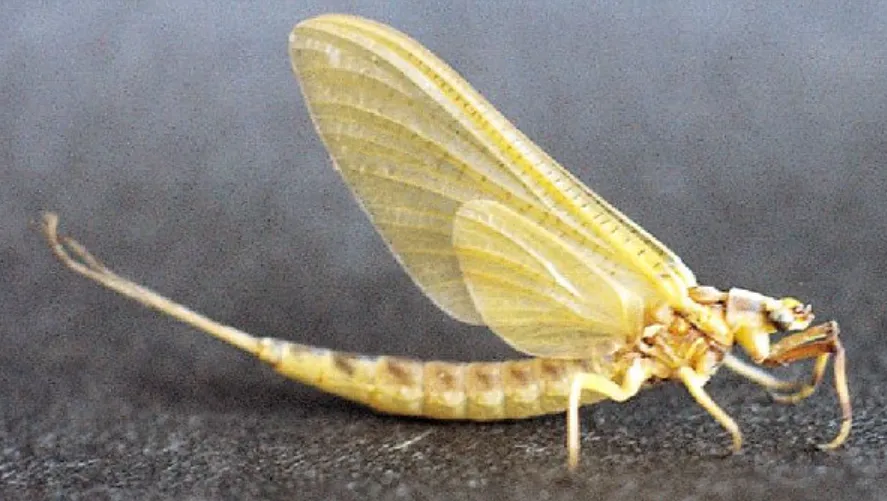
A mayfly belongs to the insect order Ephemeroptera, a name linked with short adult life. The adult stage may last only a few hours to a few days, but the underwater mayfly nymph stage can last weeks, months, or even several years, depending on species, temperature, food, and habitat conditions. Mayflies are also unusual because they have two winged stages: the subimago, often called the dun, and the final adult imago, often called the spinner.
Understanding the mayfly life cycle helps us understand why clean freshwater matters. Their nymphs are sensitive to pollution and are widely used as indicators of stream and river health. A healthy mayfly population often suggests oxygen-rich, cleaner water, while a decline may signal pollution, habitat damage, or ecological stress.
Quick Answers: Most Common Questions
Q: How long is a mayfly’s lifespan?
A: The full mayfly lifespan varies by species. The nymph may live underwater for a few weeks to several years, while the adult usually lives only a few hours to a few days.
Q: What are the stages of the mayfly life cycle?
A: The main stages are egg, nymph, subimago, and imago. The nymph lives in water, while the subimago and imago are winged stages.
Q: Are mayflies harmful to humans?
A: No. Adult mayflies do not bite, sting, or feed. Large mayfly swarm events may be messy around lights, roads, or buildings, but they are not dangerous to people.
Quick Life Cycle Table
| Stage | Where It Lives | Main Activity | Typical Duration |
| Egg | Underwater | Develops and attaches to the substrate | From weeks to over a year, depending on the species |
| Mayfly Nymph | Rivers, lakes, streams, wetlands | Feeds, grows, molts many times | A few weeks to several years |
| Subimago | Water surface or nearby vegetation | First winged stage, flies weakly | Minutes to hours, sometimes longer |
| Imago | Air near water | Mates, lays eggs, dies | A few hours to a few days |
The table shows why the adult mayfly is only a small part of the story. Most of its real growth occurs underwater as a mayfly nymph or larva, although “nymph” is the more accurate scientific term.
The History of Their Scientific Naming
The scientific order name of mayflies is Ephemeroptera. This name comes from Greek roots: ephemeros, meaning short-lived or lasting a day, and pteron, meaning wing. The name reflects the extremely short adult mayfly life, not the full life cycle.
The common name mayfly can be misleading. Many species do emerge in spring, but mayflies are not limited to May. Depending on the species and region, adults may appear in spring, summer, or at other times of the year. The Wildlife Trusts notes that the common mayfly, also called the green drake mayfly, is associated with freshwater wetlands and can be seen during its active season, while nymphs remain underwater throughout the year.
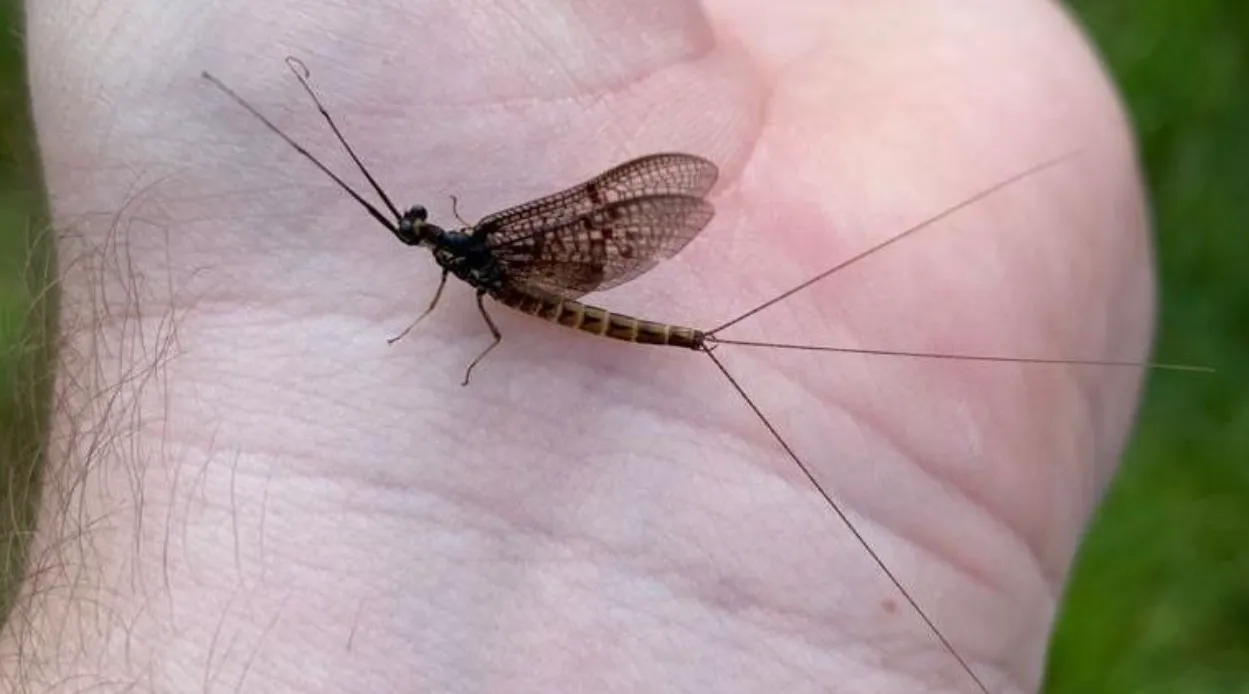
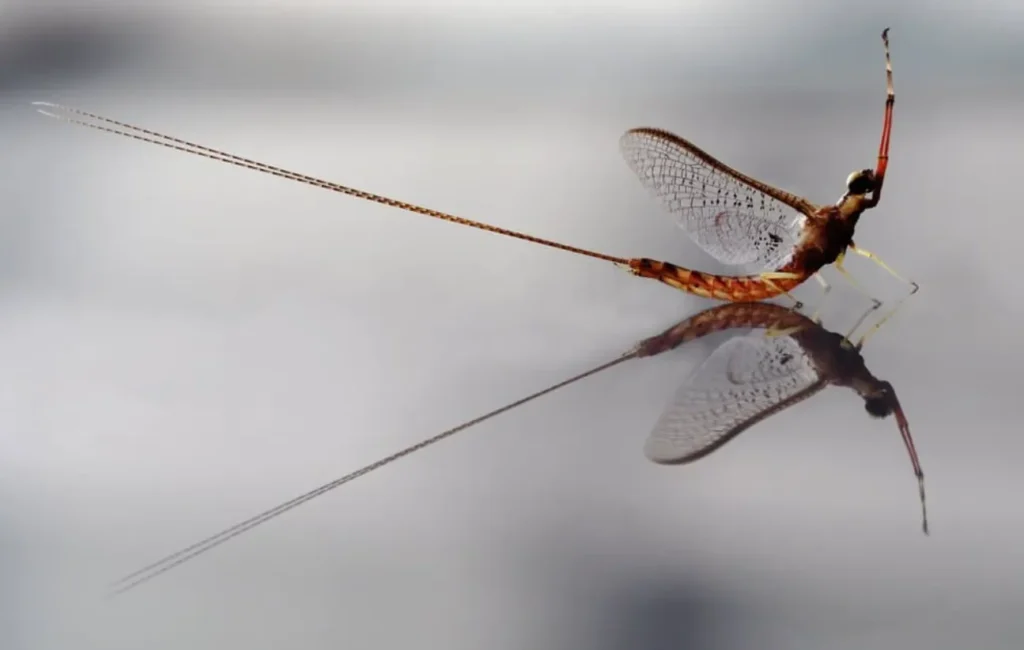
Scientifically, mayflies belong to Animalia, Arthropoda, Insecta, and Ephemeroptera. Their delicate wings, long tail filaments, aquatic young, and unusual double-winged adult development make them one of the most distinctive groups of insects.
Their Evolution And Their Origin
Mayflies are among the ancient lineages of winged insects. Fossil evidence shows that mayfly-like insects existed hundreds of millions of years ago, long before flowering plants became dominant and long before humans appeared. The University of California Museum of Paleontology notes that recorded mayfly nymph fossils go back to the Late Carboniferous, and fossil evidence suggests a long evolutionary history linked with freshwater environments.
This ancient origin matters because mayflies preserve features that help scientists study early insect evolution. Their wings do not fold flat over the abdomen, as in many modern insect groups. They also have long tail filaments, aquatic immature stages, and a delicate adult body designed mainly for reproduction.
Over time, mayflies adapted to a variety of freshwater habitats. Some nymphs became streamlined swimmers for moderate currents. Others evolved flattened bodies that help them cling to stones in fast-flowing streams. Some burrowing mayflies developed the ability to live in sand or mud, using abdominal gills to move water and food through their burrows.
Today, mayflies are found across many freshwater systems around the world. Global diversity studies report more than 3,000 described species, with hundreds of genera and dozens of families. This diversity shows that the mayfly life cycle is not one single pattern but a flexible biological design adapted to streams, rivers, lakes, ponds, and wetlands.
Their origin also explains their ecological importance. Mayflies connect water, air, soil, fish, birds, bats, and microbes through one short but powerful life cycle. They are ancient insects, but they remain highly relevant to modern freshwater conservation.
Their main food and its collection process
The feeding process of mayflies depends strongly on life stage. Adult mayflies generally do not feed because they lack functional mouthparts. Their adult mission is reproduction, not feeding. In contrast, the mayfly nymph is an active feeder and plays a major role in freshwater food webs.
Most mayfly nymphs feed on natural materials found underwater. Their food may include algae, bacteria, detritus, decaying plant matter, fine organic particles, and sometimes tiny aquatic animals. Some species scrape algae from rocks, while others collect particles from sediment or filter fine material from moving water.
Key feeding methods include:
- Scraping: Some nymphs scrape algae and microbial films from stones, wood, and submerged plants.
- Collecting: Many gather fine organic matter from the streambed.
- Filtering: Some species filter small particles from flowing water.
- Burrowing and pumping: Burrowing species live in sand or mud and move water through burrows to collect oxygen and food.
- Omnivory: A few species eat both plant material and small aquatic organisms.
This feeding behavior is important because mayflies help process organic matter in freshwater habitats. They convert algae and detritus into insect biomass, which then becomes food for fish, frogs, birds, dragonflies, water beetles, and other predators.
The baby mayfly stage is therefore not passive. It is a working part of the river system, feeding, growing, molting, and transferring nutrients through the Ecosystem.
Important Things That You Need To Know
The mayfly life cycle is often misunderstood because people mostly notice adults during a mayfly swarm. However, the adult stage is only the final and shortest part of life. Most mayflies spend their longest and most important period underwater as mayfly nymphs.
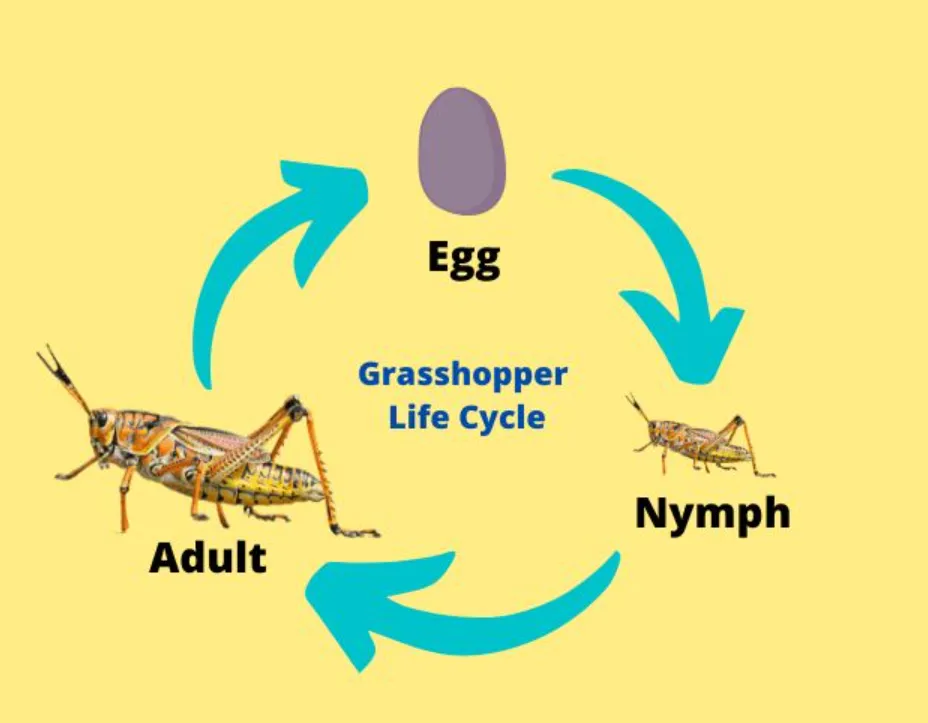
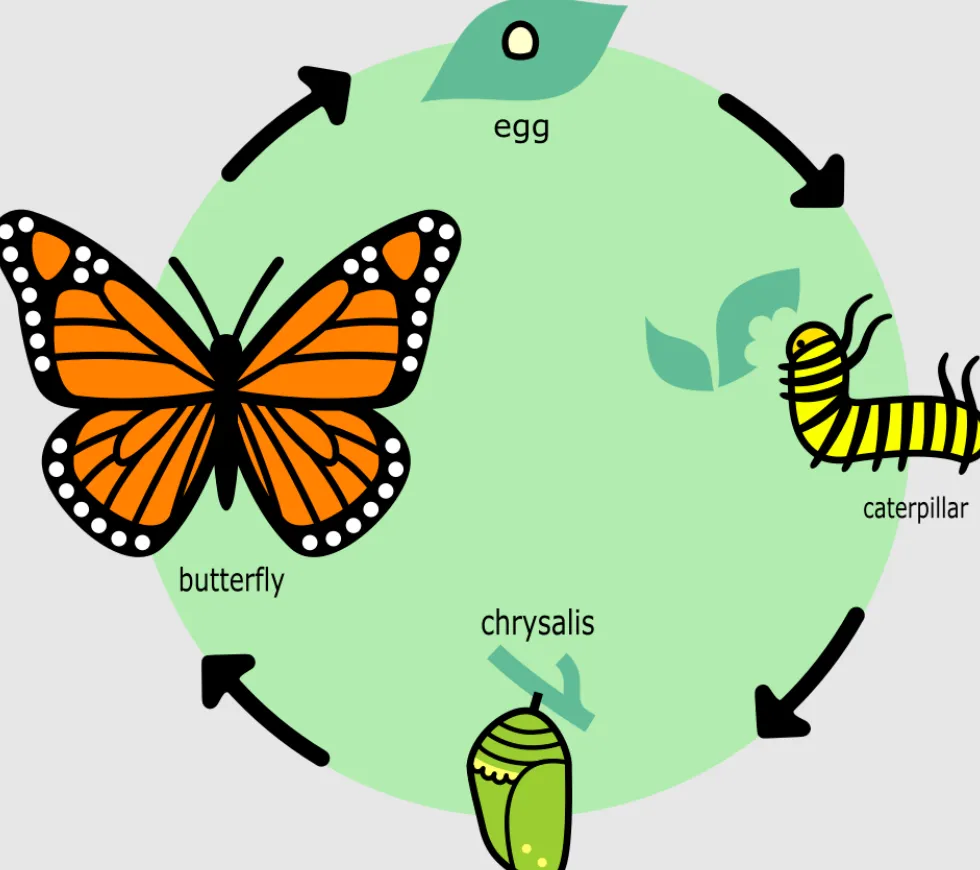
General readers commonly use the term mayfly larvae, but scientists usually prefer nymph or naiad because mayflies have incomplete metamorphosis. They do not develop through a pupal stage like butterflies or mosquitoes. Instead, the young form gradually grows through many molts before becoming winged.
The mayfly lifespan is also highly variable. Some species complete development quickly, especially in warm conditions, while others may spend years underwater. Temperature, oxygen levels, water flow, season, food supply, and species genetics all shape developmental time.
A mayfly swarm may look like a nuisance, but it is actually a reproductive event. Males often gather in large groups; females enter the swarm; mating occurs in the air; and females return to the water to release eggs. These mass emergences also feed fish, birds, bats, and shoreline animals.
Finally, the presence of mayflies often says something important about water quality. Because many nymphs need clean, oxygen-rich water, they are valuable biological indicators. Their decline can indicate pollution, sedimentation, low oxygen levels, or chemical stress in freshwater systems.
Their life cycle and ability to survive in nature
Egg Stage
The egg stage begins when a female lays eggs in water. Eggs may sink to the bottom or attach to stones, plants, sediment, or other underwater surfaces. Some eggs hatch quickly, while others remain in a state of delayed development until conditions improve.
Nymph Stage
The mayfly nymph is the survival stage. It breathes through abdominal gills, hides under rocks, clings to streambeds, swims, burrows, scrapes food, and avoids predators. Some species pass through many growth stages, known as instars, before emergence. Research summaries report that nymphal instars may range widely, often from 10 to 50, depending on the species.
Subimago Stage
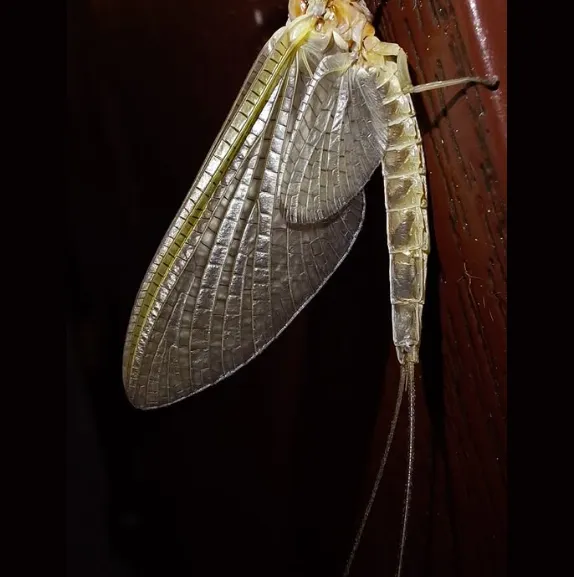
Mayflies are unique because they have a winged pre-adult stage called the subimago. This stage emerges from the water, flies weakly, and usually rests on nearby vegetation or surfaces before molting again.
Imago Stage
The final adult stage is the imago. It has clearer wings, better flight ability, and reproductive maturity. Its survival strategy is simple: find a mate quickly, reproduce, and complete the cycle before dying.
Their Reproductive Process and raising their children
Mayflies do not raise their young in the way birds or mammals do. Their reproductive strategy depends on timing, egg production, suitable water, and synchronized emergence.
The process usually follows these steps:
- Male swarming: Males often gather in visible flying groups near water, especially at dawn or dusk in many temperate regions.
- Female entry: A female enters the swarm, and mating usually occurs in flight.
- Egg laying: After mating, the female returns to the water and releases eggs.
- Egg attachment: Eggs may sink, stick to underwater surfaces, or settle into suitable habitat.
- No parental care: Once eggs are laid, adults usually die soon afterward.
- Independent nymphs: Newly hatched nymphs must survive on their own by feeding, hiding, and growing underwater.
A female may produce a small or very large number of eggs, depending on the species. Britannica summarizes that egg numbers can range from fewer than 50 to more than 10,000 in different species.
Some species show unusual reproductive strategies. Certain mayflies reproduce through parthenogenesis, in which eggs develop without fertilization. In some species, females may be common while males are rare or absent.
The “raising” of young is therefore ecological rather than parental. Adults provide the next generation by choosing water for egg-laying, but survival depends on a clean habitat, oxygen, food, and shelter. This is why freshwater protection is central to the future of mayfly populations.
The importance of them in this Ecosystem
Natural Food Source
Mayflies are a major food source for fish, birds, bats, frogs, dragonflies, water beetles, and other aquatic or shoreline predators. Trout and other freshwater fish often depend heavily on mayfly nymphs and adults during seasonal hatches.
Nutrient Cycling
Mayfly nymphs help recycle nutrients by feeding on algae, detritus, bacteria, and fine organic matter. They turn tiny food particles into insect biomass, which then moves energy upward through the food chain.
Water Quality Indicator
Mayflies are valuable bioindicators. Many species are sensitive to pollution, low oxygen, sediment changes, heavy metals, and microplastics. A healthy mayfly community can suggest better freshwater quality, while a damaged community may reveal environmental stress.
Link Between Water and Land
When adults emerge, they move aquatic nutrients into terrestrial food webs. Birds, spiders, bats, and shoreline insects can feed on them, making mayflies a bridge between freshwater and land ecosystems.
Scientific and Educational Value
The mayfly life cycle helps students, anglers, ecologists, and conservationists understand metamorphosis, stream health, climate effects, and the importance of protecting freshwater habitats.
What to do to protect them in nature and save the system for the future
Protecting mayflies means protecting freshwater systems. Their survival depends on clean, oxygen-rich, connected habitats.
- Reduce water pollution: Avoid dumping chemicals, oils, pesticides, fertilizers, and waste into drains, streams, rivers, and wetlands.
- Protect streamside vegetation: Trees, grasses, and native plants reduce erosion, cool the water, and provide habitat for emerging adults.
- Control sediment runoff: Construction, farming, and road runoff can cover stones and destroy nymph habitats.
- Reduce pesticide use near water: Many aquatic insects are sensitive to chemicals, especially during the nymph stage.
- Support wetland and river restoration: Natural riverbanks, clean wetlands, and healthy floodplains improve mayfly survival.
- Limit light pollution near mass emergence areas: Artificial lights can attract adult mayflies away from natural mating and egg-laying sites.
- Monitor freshwater health: Citizen science and biological surveys can track mayfly populations and detect early signs of ecosystem decline.
- Protect oxygen levels: Warm, polluted, stagnant water often holds less oxygen. Clean flow and shaded streams support healthier nymph development.
- Educate communities: Many people see swarms as a nuisance, but mayflies are signs of life, a strong food web, and freshwater productivity.
Saving mayflies is not just about saving one insect. It is about protecting rivers, lakes, wetlands, fish populations, and the natural systems that support human life, too.
Frequently Asked Questions (FAQs)
Q1: What is the mayfly life cycle?
A: The mayfly life cycle includes egg, nymph, subimago, and imago stages. The nymph lives underwater, while the final two stages are winged. Mayflies are unique because they molt from one winged stage into another winged adult stage.
Q2: How long does a mayfly live?
A: The adult mayfly may live only a few hours to a few days, but the full mayfly lifespan can be much longer because the nymph stage may last weeks, months, or years, depending on species and habitat.
Q3: What does a mayfly nymph eat?
A: A mayfly nymph usually eats algae, bacteria, detritus, decaying plant matter, and fine organic particles. Some species are omnivorous and may eat tiny aquatic animals.
Q4: Are mayfly larvae and mayfly nymphs the same?
A: In common language, people may say mayfly larvae, but the more accurate scientific term is mayfly nymph or naiad because mayflies develop through incomplete metamorphosis and do not have a pupal stage.
Q5: Why do mayflies form swarms?
A: A mayfly swarm is mainly for reproduction. Males gather in groups; females enter the swarm; mating occurs; and females later deposit eggs in water.
Q6: Do adult mayflies eat?
A: Most adult mayflies do not feed because they do not have functional mouthparts. Their short adult life is focused on mating and egg laying.
Q7: Are mayflies good for the environment?
A: Yes. Mayflies are important food for fish and birds, help cycle nutrients, and serve as indicators of freshwater quality. Their presence often suggests cleaner, oxygen-rich water.
Q8: What is a baby mayfly called?
A: A baby mayfly is usually called a nymph or naiad. It lives underwater, breathes through gills, feeds actively, and molts many times before becoming winged.
Conclusion
The mayfly life cycle is short in the air but long and meaningful underwater. From eggs attached to riverbeds to feeding nymphs, weak-flying subimagos, and short-lived adults, every stage supports freshwater balance.
Mayflies are more than delicate insects seen in summer swarms. They are food for fish and birds, recyclers of organic matter, indicators of clean water, and living evidence of an ancient insect lineage. Their adult life may last only hours, but their ecological value lasts far longer.
Protecting mayflies means protecting streams, rivers, lakes, wetlands, and the species that depend on them. When mayflies thrive, freshwater ecosystems are often healthier, richer, and more resilient. That is why understanding the mayfly life cycle is not only useful for students and nature lovers but also important for conservation and the future of clean water.
Also Read: hymenoptera life cycle byjus