The life cycle of a hen is the natural growth journey of a female chicken from a fertilized egg to a mature egg-laying adult. A hen belongs to the domestic chicken group, scientifically linked to Gallus gallus domesticus, which is mainly descended from the wild red junglefowl. Chickens are among the most widespread domesticated birds in the world and are raised for eggs, meat, breeding, companionship, and small-farm sustainability.
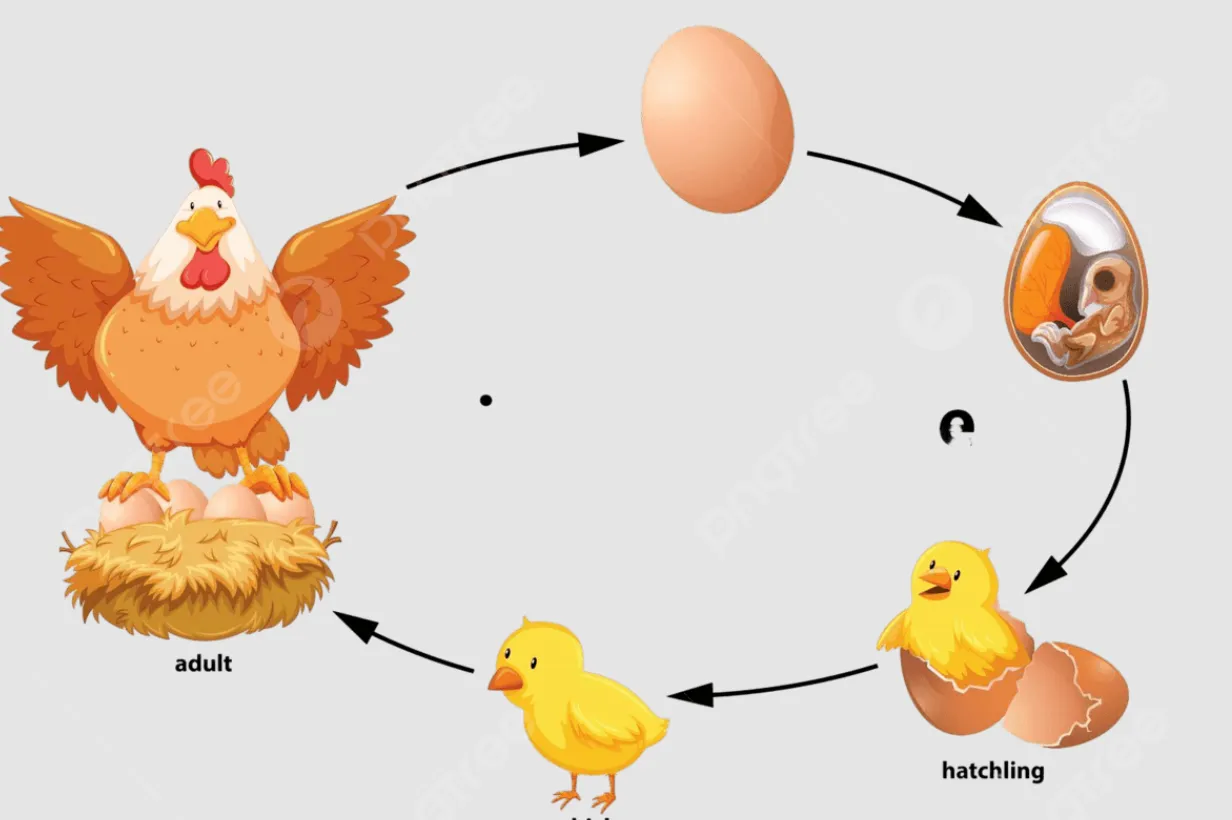
A hen’s life begins inside an egg. If the egg is fertilized and kept under proper warmth and humidity, the embryo develops for about 21 days before hatching. After hatching, the baby chicken is called a chick. It then grows into a juvenile bird, later becomes a pullet, and finally matures into an adult hen capable of laying eggs.
Understanding the life cycle of a hen is useful for students, farmers, poultry keepers, and anyone interested in animal biology. It explains how hens reproduce, grow, eat, live, and why they matter in the ecosystem.
Q: How many stages are in the life cycle of a hen?
A: The main stages are egg, chick, pullet/juvenile, and adult hen.
Q: How long does a hen egg take to hatch?
A: A fertilized chicken egg usually takes about 21 days to hatch under proper incubation.
Q: Can a hen lay eggs without a rooster?
A: Yes. A hen can lay eggs without a rooster, but those eggs will not develop into chicks unless fertilized.
Quick Life Cycle Table
| Stage | Time Period | Key Feature |
| Egg | About 21 days | The embryo develops inside the shell |
| Chick | 0–6 weeks | Needs warmth, starter feed, and protection |
| Pullet / Juvenile | 6–18 weeks | Feathers develop; body grows quickly |
| Adult Hen | Around 18+ weeks | Begins egg-laying depending on breed and care |
| Older Hen | 3+ years | Egg production usually declines gradually |
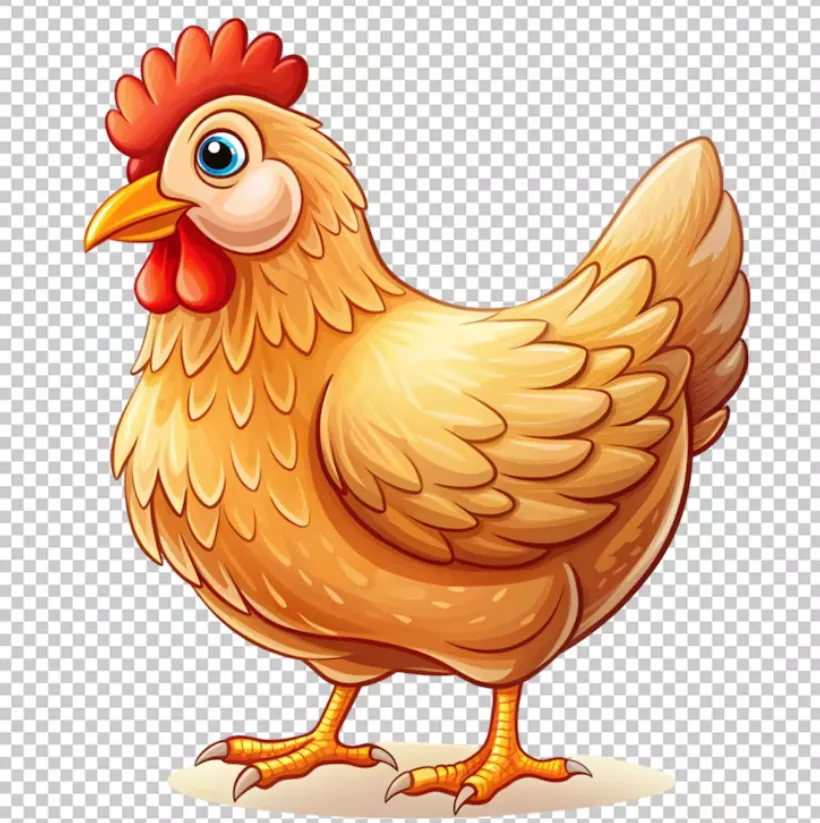
The History Of Their Scientific Naming, Evolution, and Their Origin
Scientific Name and Classification
The domestic hen is a member of the chicken species Gallus gallus domesticus. The word hen usually means an adult female chicken. The male is called a rooster, while the young bird is called a chick.
Some scientific references classify the domestic chicken as a subspecies of the red junglefowl, while others use related naming forms. However, the connection to Gallus gallus, the red junglefowl, is widely accepted.
Evolution from Red Junglefowl
Modern hens mainly evolved from the red junglefowl, a wild bird native to parts of South and Southeast Asia. These wild birds lived in forest edges, grasslands, bamboo areas, and places where seeds, fruits, insects, and shelter were available.
Over thousands of years, humans selected birds that were calmer, more productive, and better suited for living near people. This slow domestication process produced today’s many chicken breeds.
Origin and Domestication
Chickens became closely connected with human life because they provided eggs, meat, feathers, and natural pest control. Today, hens are found almost everywhere, from rural farms and village homes to backyard coops and commercial poultry systems.
Their Reproductive Process, Giving Birth And Rising Their Children
Mating and Fertilization
A hen does not “give birth” like a mammal. Instead, she lays eggs. For a chick to develop, the egg must be fertilized by a rooster before it is laid. If no rooster is present, the hen can still lay eggs, but those eggs remain unfertilized.
Once fertilization occurs, the developing embryo is protected by the yolk, albumen, shell membranes, and hard outer shell. The egg contains food, water, and protection for the growing chick.
Egg Laying Process
A healthy adult hen may lay eggs regularly depending on breed, age, nutrition, daylight, and environment. Commercial laying hens can produce very high numbers of eggs per year, while indigenous or traditional hens often lay fewer eggs naturally. FAO notes that commercial layers can lay over 300 eggs per year, while indigenous hens may lay only 40–60 eggs annually.
Incubation and Hatching
If a hen becomes broody, she sits on fertilized eggs to keep them warm. The normal incubation period is about 21 days. During this time, the chick develops organs, feathers, a beak, legs, and body shape inside the shell.
Raising the Chicks
After hatching, chicks need warmth, food, water, and protection. In natural settings, the mother hen guides them to food, calls them when danger appears, and teaches them to scratch the ground. In poultry care, humans provide a brooder, starter feed, clean water, and safe housing.
Stages of the Life Cycle of a Hen
1. Egg Stage
The egg stage is the first stage in the life cycle of a hen. A fertilized egg contains a tiny embryo that grows inside the shell. The yolk provides nutrients, while the shell protects the developing chick.
For successful hatching, the egg must stay at the correct temperature and humidity. In natural conditions, a broody hen turns the eggs and keeps them warm. In artificial incubation, eggs are also turned regularly until the last few days before hatching.
2. Chick Stage
After about 21 days, the chick breaks the shell using a small temporary structure on its beak called the egg tooth. Newly hatched chicks are soft, weak, and covered in down feathers.
During this stage, chicks need warmth because they cannot fully regulate body temperature. They eat chick starter feed, drink clean water, and grow quickly. Their bones, feathers, muscles, and immune system develop rapidly.
3. Pullet or Juvenile Stage
A young female chicken is called a pullet before she becomes a mature hen. This stage usually begins after the early chick period and continues until the bird is close to laying age.
Pullets grow stronger legs, fuller feathers, and a more adult body shape. Their comb and wattles become more visible. Good nutrition is very important here because weak feeding can affect future egg production.
4. Adult Hen Stage
The adult stage begins when the pullet matures and starts laying eggs. Many hens begin laying around 18–24 weeks, although this varies by breed, season, health, and environment.
Adult hens spend their day scratching soil, searching for food, dust bathing, socializing, laying eggs, and roosting at night. With proper care, this stage can last for many years, although egg production usually decreases with age.
Important Things That You Need To Know
Many search terms related to hens can have different meanings, so it is important to understand them clearly. A hen is an adult female chicken, but the word can also appear in other animal and food-related searches.
A Cornish hen is not a separate wild species. It usually refers to a young, small chicken that has been prepared for cooking. That is why people often search for cornish hen recipe when looking for food ideas, not biology.
The term guinea hen refers to a female guinea fowl, which is a different bird from a domestic hen. Guinea hens are often kept on farms for eggs, meat, alarm calls, and insect control.
Another confusing term is hen of the woods. This is not a bird at all. Hen of the woods is a type of edible mushroom, also known as maitake. It has a feather-like shape, which is why the word “hen” appears in its name.
A hen house means a shelter or coop where hens live, sleep, lay eggs, and stay safe from predators. A well-designed hen house should provide ventilation, dry bedding, roosting space, nesting boxes, and protection from rain, wind, heat, and predators. For backyard layers, good housing is a major part of healthy egg production and long life.
So, when learning about the life cycle of a hen, remember that related keywords like cornish hen, guinea hen, hen of the woods, and hen house may appear in searches, but they do not all mean the same thing.
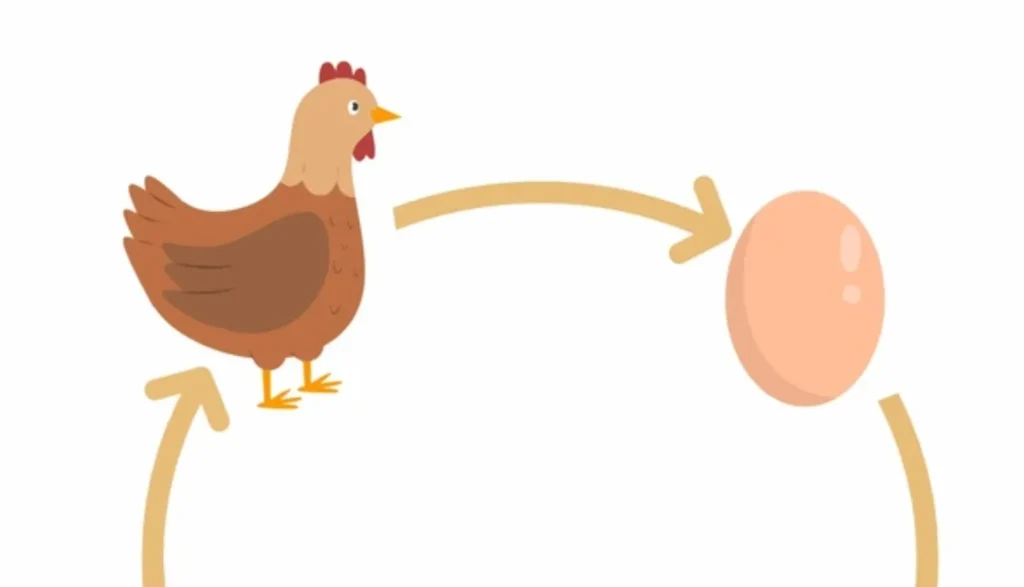
Their main diet, food sources, and collection process are explained
Natural Food Sources
Hens are omnivores, meaning they eat both plant and animal foods. In natural or free-range conditions, hens scratch the ground to find seeds, grains, grasses, insects, worms, small invertebrates, and soft plant material.
This scratching behavior is part of their natural food collection process. They use their feet to move soil, leaves, and bedding, then use their beak to pick up food.
Farm and Backyard Diet
In a backyard or farm setting, hens are usually fed balanced poultry feed. Chicks need starter feed, growing birds need grower feed, and laying hens need layer feed. Each feed type is designed for a different life stage.
Laying hens need enough protein, energy, vitamins, minerals, and especially calcium for eggshell formation. Poultry nutrition guidance commonly notes that laying diets contain higher calcium levels than grower diets because eggshell production requires a large calcium intake.
Food Collection Behavior
Hens collect food by:
- Scratching soil, leaves, grass, and bedding
- Pecking seeds, insects, and small food particles
- Foraging in open ground or pasture
- Following flock signals when another bird finds food
- Eating grit to help grind food in the gizzard
Clean water is just as important as food. Without enough water, hens may reduce eating, become stressed, and lay fewer eggs.
How long does the life cycle of a hen last
The lifespan of a hen depends on breed, genetics, purpose, environment, disease control, predator protection, and quality of care. A hen raised in a safe backyard environment may live much longer than a bird kept only for high production.
- Average backyard lifespan: Many well-cared-for hens can live around 5–8 years, and some may live longer with excellent care.
- Commercial laying lifespan: Commercial laying hens are often kept for a shorter productive period because egg production declines after peak laying.
- Breed difference: Heritage breeds often live longer than highly selected production breeds because they are not always bred only for maximum egg output.
- Predator risk: Free-ranging hens face threats from dogs, foxes, raccoons, hawks, snakes, and other predators, depending on the region.
- Disease and parasites: Mites, lice, respiratory disease, coccidiosis, worms, and bacterial infections can reduce lifespan if not controlled.
- Nutritional quality: A balanced diet supports feather health, egg production, bone health, immunity, and long-term survival.
- Housing quality: A dry, clean, predator-proof hen house helps prevent stress, injury, cold exposure, heat stress, and disease.
- Egg production and aging: Hens usually lay the most eggs during their early laying years. After that, production gradually declines, but the bird can remain healthy.
- Molting period: Adult hens naturally molt, losing and regrowing feathers. During molt, egg-laying often slows or stops because the body uses energy for feather replacement.
- Human care: Hens receiving regular observation, clean bedding, fresh water, safe feed, and veterinary care have a better chance of living longer.
A hen’s life is not only about egg production. Even after laying fewer eggs, older hens may still contribute to the flock by foraging, teaching younger birds, and maintaining social structure.
Life Cycle of a Hen Lifespan in the Wild vs. in Captivity
Wild or Feral Conditions
Domestic hens are not truly wild animals, but some chickens live in feral conditions. Their wild ancestor, the red junglefowl, survives in natural habitats by foraging, hiding, roosting in trees, and avoiding predators.
In wild or feral conditions, life is harder. Food may be seasonal, predators are common, weather can be dangerous, and diseases may spread without treatment. Because of these risks, hens living outside human protection often have shorter average survival.
Captive or Backyard Conditions
In captivity, hens usually live in a safer environment. A proper hen house, clean bedding, balanced feed, fresh water, nesting boxes, and predator protection can greatly improve survival.
The University of Minnesota Extension recommends that backyard coops provide protection from the weather and predators, provide roosting space, nest boxes, ventilation, and enough indoor space per bird.
Main Difference
The key difference is control. In the wild, hens depend on instincts. In captivity, humans control food, shelter, safety, and health care. That is why a well-managed captive hen usually has a better chance of living longer than a feral hen.
Importance of the Life Cycle of a Hen in this Ecosystem
Natural Pest Control
Hens help control insects, larvae, worms, beetles, and other small organisms by foraging. This can reduce some pest pressure in gardens, orchards, and small farms.
Soil Turning and Nutrient Cycling
When hens scratch the ground, they help mix leaves, soil, and organic matter. Their manure, when managed properly, adds nutrients such as nitrogen and phosphorus to the soil.
Food Chain Role
Hens and their ancestors are part of the food chain. Eggs, chicks, and adult birds may become food for predators. In balanced ecosystems, this supports natural predator-prey relationships.
Seed Movement
Free-ranging hens may eat fruits, seeds, and plant matter. In some environments, birds can help move seeds short distances through feeding and droppings.
Human Food System
Hens are extremely important in the human food system. They provide eggs, meat, income, and nutrition for millions of households. Globally, chickens are among the most widely raised poultry species, and the FAO reports that the global chicken population exceeded 33 billion birds in 2020.
What to do to protect them in nature and save the system for the future
Protect Natural Habitat
- Preserve forest edges, grasslands, village groves, and mixed farming areas where junglefowl and free-ranging poultry can find food and shelter.
- Avoid unnecessary habitat destruction and support biodiversity-friendly farming.
Build Safe Hen Houses
- Provide a strong hen house with predator-proof fencing.
- Keep bedding dry and clean.
- Add roosts and nesting boxes.
- Make sure the coop has airflow without cold drafts.
Feed Them Responsibly
- Use age-appropriate poultry feed.
- Give laying hens enough calcium.
- Provide clean water daily.
- Avoid spoiled, moldy, salty, or unsafe food scraps.
Reduce Disease Spread
- Keep new birds separate before joining the flock.
- Clean feeders and waterers regularly.
- Watch for signs of sickness.
- Contact a poultry expert or veterinarian when disease appears.
Support Ethical Poultry Keeping
- Avoid overcrowding.
- Give hens space to move, scratch, dust bathe, and roost.
- Protect heritage breeds and local chicken varieties.
- Teach children and farmers humane handling practices.
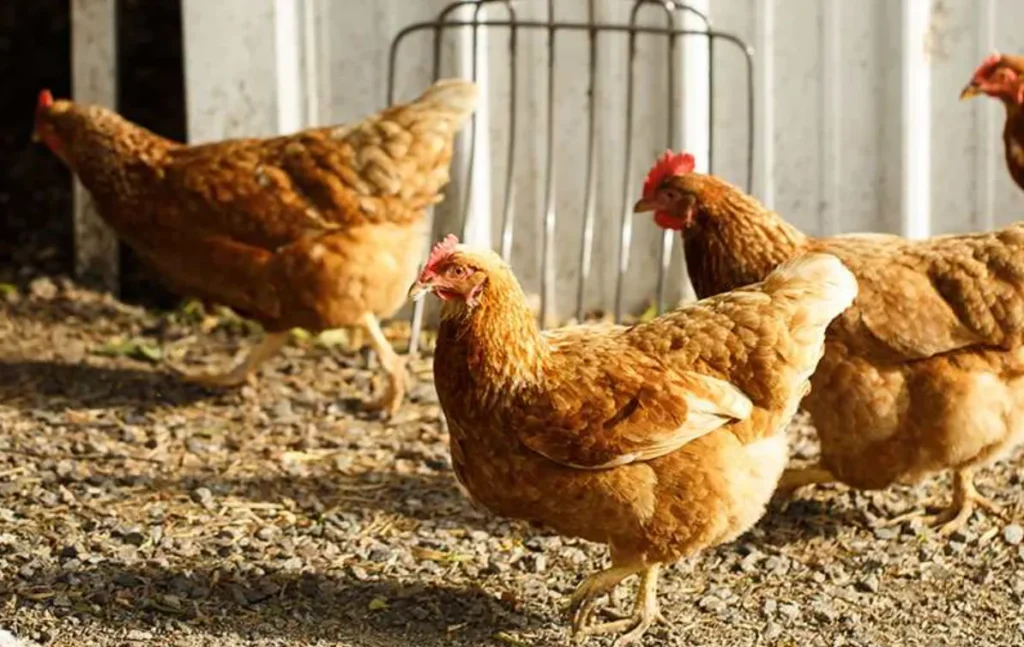
Fun & Interesting Facts About the Life Cycle of a Hen
- A hen can lay eggs without a rooster, but those eggs will not hatch unless fertilized.
- A fertilized chicken egg usually hatches in about 21 days.
- Baby chickens are called chicks, young females are called pullets, and adult females are called hens.
- Hens use dust bathing to clean their feathers and reduce external parasites.
- Chickens have a social ranking system often called the pecking order.
- A hen may make special sounds to call chicks toward food or warn them about danger.
- Eggshell strength depends strongly on nutrition, especially calcium.
- Hens often prefer private, quiet nesting spaces for laying eggs.
- Some hens become broody, meaning they want to sit on eggs and hatch chicks.
- The word hen can also appear in unrelated terms like hen of the woods, which is actually a mushroom.
Frequently Asked Questions (FAQs)
Q: What is the life cycle of a hen?
A: The life cycle of a hen includes four main stages: egg, chick, pullet or juvenile, and adult hen. The cycle begins with a fertilized egg and continues until the mature hen can lay eggs.
Q: How long does it take for a hen egg to hatch?
A: A fertilized hen egg usually takes about 21 days to hatch if it receives proper warmth, humidity, and turning.
Q: At what age does a hen start laying eggs?
A: Many hens start laying eggs at around 18–24 weeks, but the exact age depends on breed, season, nutrition, and health.
Q: What does a hen eat?
A: A hen eats grains, seeds, insects, worms, grasses, vegetables, and balanced poultry feed. Laying hens also need extra calcium for strong eggshells.
Q: How long does a hen live?
A: A well-cared-for backyard hen may live around 5–8 years or longer. However, lifespan varies depending on breed, housing, disease control, predators, and care.
Conclusion
The life cycle of a hen is a fascinating journey from egg to chick, pullet, and adult egg-laying bird. Each stage has unique needs, including warmth, nutrition, shelter, protection, and proper care. A hen is not only valuable for eggs and meat but also plays an important role in pest control, soil enrichment, small farming, and the wider food system.
By understanding how hens reproduce, grow, eat, live, and interact with their environment, we can raise them more responsibly and protect their welfare. Whether you are studying poultry biology, building a hen house, caring for backyard chickens, or simply learning about farm animals, the hen’s life cycle shows how closely animal life, human food, and ecosystem balance are connected.
Also Read: life cycle a mosquito