The shark life cycle is one of the most fascinating and diverse processes in the animal kingdom. Sharks have existed for over 400 million years, making them older than dinosaurs, and their survival strategies have evolved into highly efficient biological systems.
Unlike many fish, sharks do not always lay eggs. Some species give birth to live young, while others lay protective egg cases. This variation makes the shark’s life cycle unique and worthy of deeper understanding.
Sharks play a vital role in maintaining the balance of marine ecosystems. From the massive whale shark to the powerful great white shark, each species follows a life cycle adapted to its environment.
Quick Answers (Most Common Questions)
1. What are the stages of a shark’s life cycle?
The main stages are egg (or embryo), pup (baby shark), juvenile, and adult.
2. Do all sharks lay eggs?
No, some sharks lay eggs, while others give birth to live young.
3. How long do sharks live?
Depending on the species, sharks can live from 20 to over 100 years.
Quick Life Cycle Table
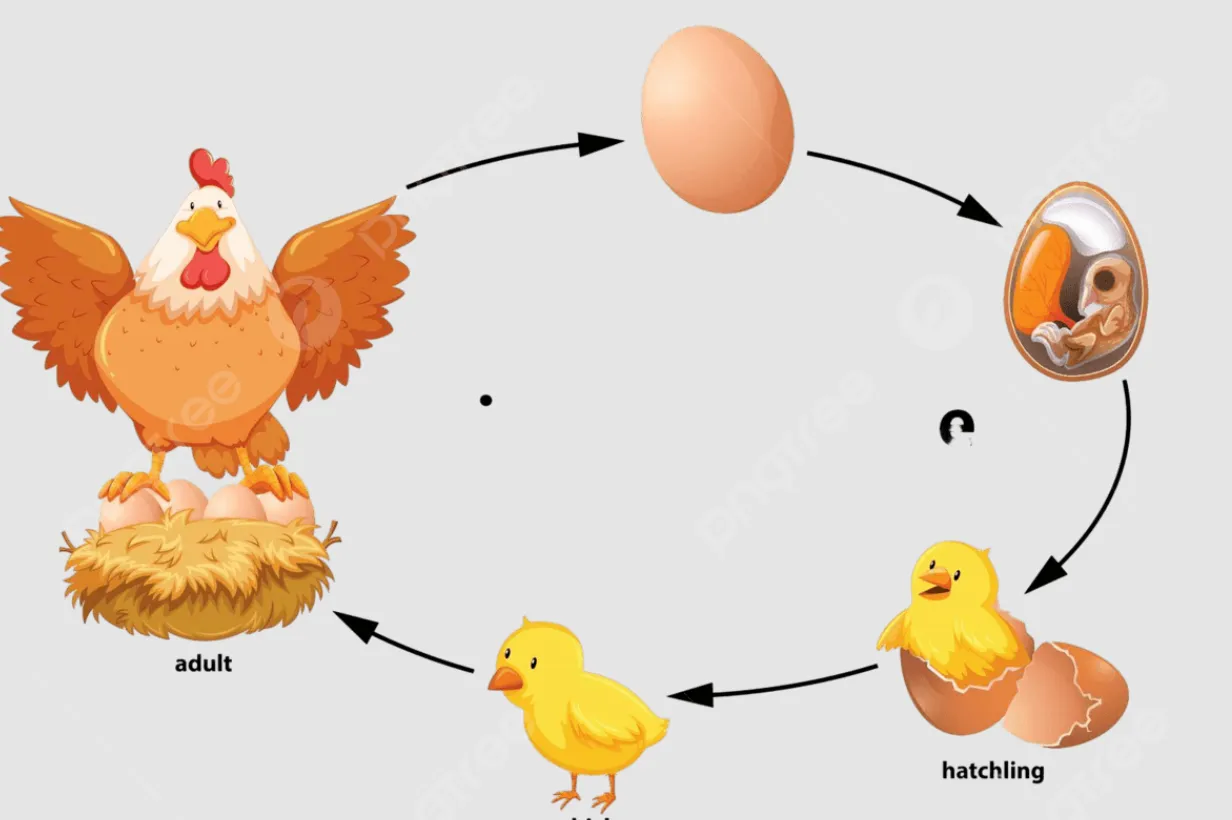
| Stage | Description |
| Egg/Embryo | Development begins inside an egg case or within the mother |
| Pup | Baby shark is born fully formed and independent |
| Juvenile | The growing stage, where sharks learn to hunt and survive |
| Adult | Fully mature shark capable of reproduction |
The History Of Their Scientific Naming
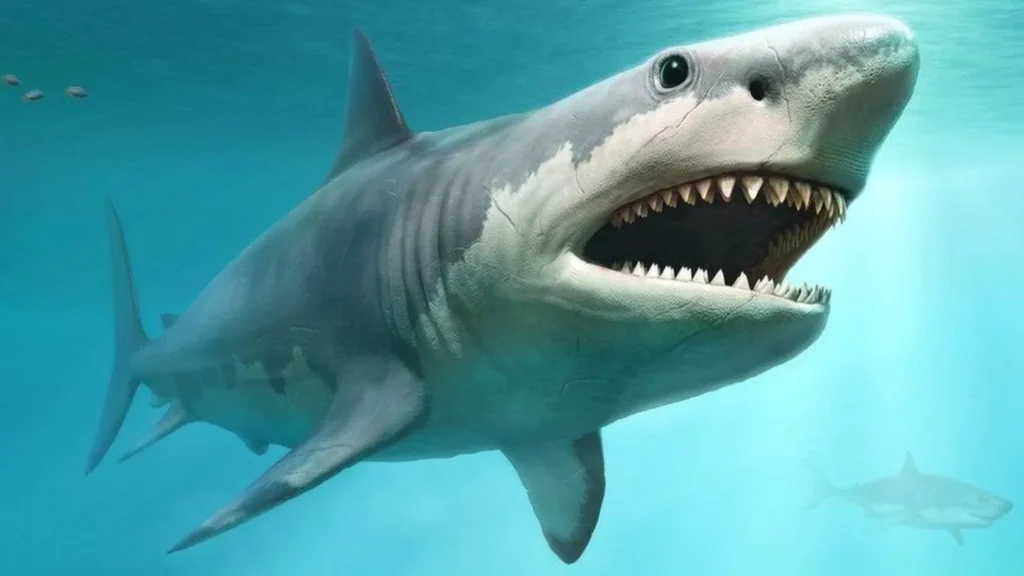
The scientific classification of sharks has evolved significantly over time. Scientists group sharks under the class Chondrichthyes, which includes cartilaginous fish.
- The term Chondrichthyes comes from Greek words meaning “cartilage fish,” referring to their skeletons, which are made of cartilage rather than bone.
- Sharks belong to the subclass Elasmobranchii, which also includes rays and skates.
- Early classification began in the 18th century when Carl Linnaeus introduced modern taxonomy.
- Over time, scientists identified hundreds of shark species, including the famous great white shark (Carcharodon carcharias).
- Advanced DNA analysis has further refined shark classification, revealing evolutionary relationships between species.
This scientific naming helps researchers better understand shark diversity, behavior, and ecological importance.
Their Evolution And Their Origin
Sharks are among the oldest living creatures on Earth. Fossil evidence shows that their ancestors existed more than 400 million years ago, long before dinosaurs roamed the planet.
Early sharks looked quite different from modern species. They had varied body shapes, and some even had unusual fin structures. Over time, natural selection refined their bodies into the streamlined predators we see today.
One key evolutionary advantage of sharks is their cartilaginous skeleton. Unlike bony fish, this lightweight structure allows for greater flexibility and speed in water. Their skin, covered in dermal denticles, reduces drag and enhances swimming efficiency.
Sharks have survived multiple mass extinctions, including the one that wiped out the dinosaurs. This resilience is due to their adaptability, diverse feeding habits, and wide distribution across oceans.
Species like the whale shark evolved into gentle filter feeders, while others like the great white shark became apex predators. This diversification allowed sharks to occupy many ecological niches.
Modern sharks are the result of millions of years of evolution, making them one of the most successful groups of animals in marine history.
Important Things That You Need To Know
Sharks are often misunderstood creatures, but understanding key facts can change perceptions and highlight their importance.
The shark is not just a single species but a diverse group of over 500 species. These range from tiny deep-sea sharks to the massive whale shark, the largest fish in the world.
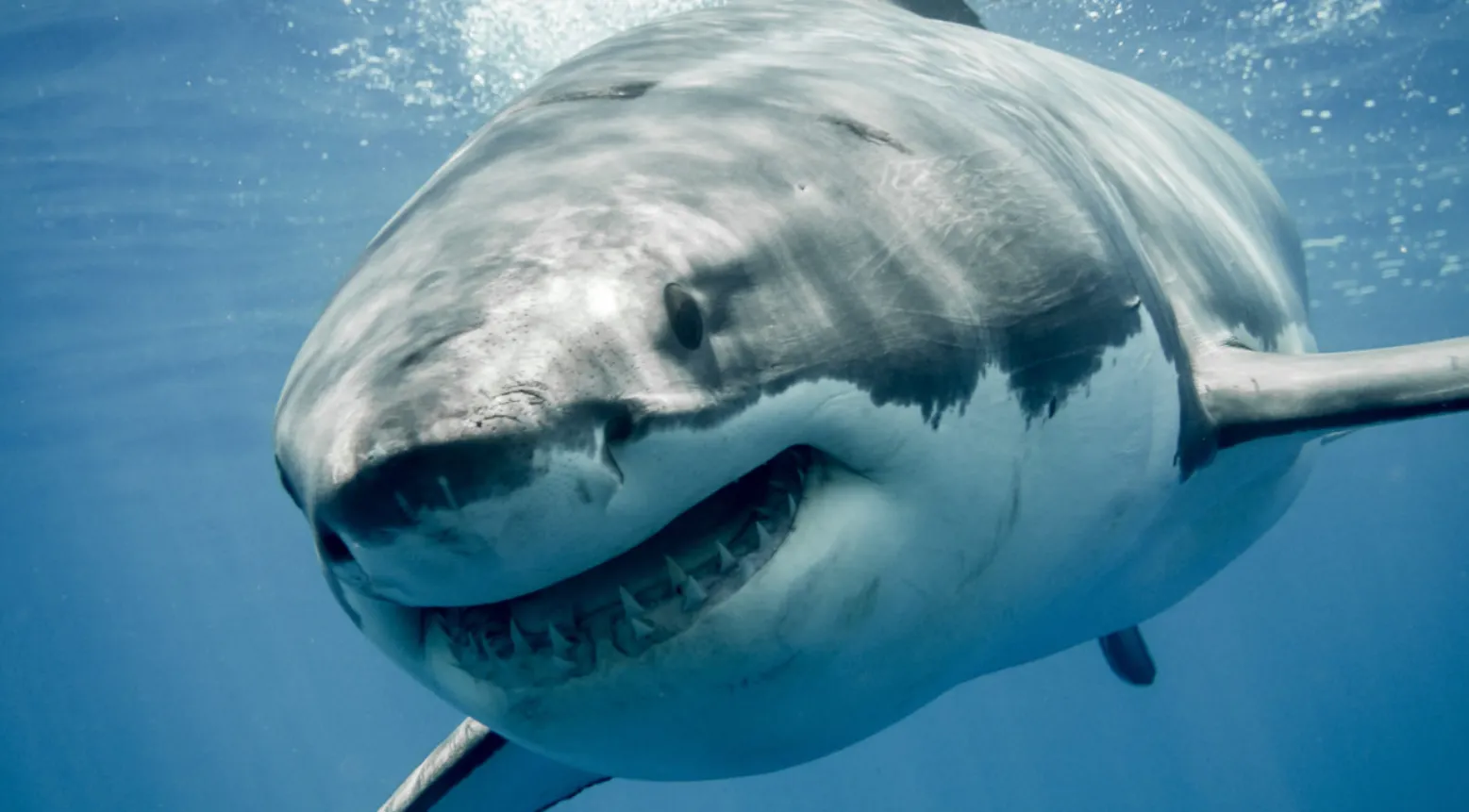
The great white shark is one of the most well-known species due to its size and role as a top predator. It helps control marine populations and maintain ecological balance.
Interestingly, sharks have inspired popular culture, including songs like “Baby Shark” and movies like “Shark Tale,”” Baby Shark “Shark Tale which have shaped public perception.
Not all references to sharks are biological. For example, the term “shark vacuum” refers to a popular cleaning appliance brand, demonstrating how widely the word “shark” is used.
Sharks have highly developed senses. They can detect electrical signals from prey and have an exceptional sense of smell, allowing them to find food from long distances.
Despite their fearsome reputation, most sharks are not dangerous to humans. In fact, humans pose a much greater threat to sharks through overfishing and habitat destruction.
Understanding these key points helps build awareness and appreciation for sharks and their role in the ocean ecosystem.
Their Main Food and Its Collection Process
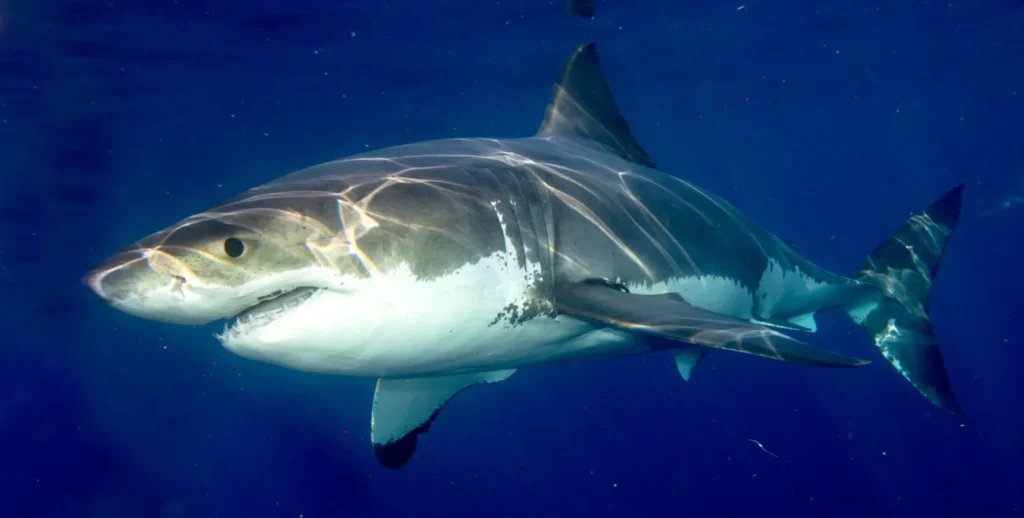
Sharks are carnivorous animals, and their diet varies depending on species and habitat.
Main Food Sources
- Fish such as tuna and mackerel
- Marine mammals like seals (for larger species)
- Plankton (for species like the whale shark)
- Crustaceans and squid
- Smaller sharks or fish
Food Collection Process
- Sharks rely heavily on their sense of smell to locate prey from far distances.
- They use electroreception to detect the electrical signals emitted by other animals.
- Their streamlined bodies allow them to swim quickly and catch prey efficiently.
- Some sharks, like the whale shark, filter feed by swimming with their mouths open.
- Others use ambush tactics, hiding and striking suddenly.
Sharks are opportunistic feeders, meaning they will eat what is available. This adaptability helps them survive in various environments.
Their Life Cycle and Ability to Survive in Nature
Egg or Embryo Stage
Some sharks lay eggs enclosed in protective cases known as “mermaid’s purses.” Others develop embryos inside the mother.
Pup Stage
Baby sharks, called pups, are born fully formed. They receive no parental care and must survive on their own from birth.
Juvenile Stage
Young sharks grow and learn to hunt. This stage is crucial for survival, as they are vulnerable to predators.
Adult Stage
Adult sharks reach sexual maturity and reproduce, continuing the life cycle.
Sharks have strong survival abilities due to:
- Excellent hunting skills
- Advanced sensory systems
- Adaptability to different ocean environments
These traits allow them to thrive in oceans worldwide.
Their Reproductive Process and Raising Their Children
Sharks have three main reproductive strategies:
Oviparous (Egg-Laying)
- Sharks lay eggs in protective cases.
- Embryos develop outside the mother.
Viviparous (Live Birth)
- Sharks give birth to live young.
- Nutrients are provided through a placenta-like structure.
Ovoviviparous
- Eggs hatch inside the mother’s body.
- Pups are born live but without a placenta.
Key Points
- Shark mothers do not care for their young after birth.
- Pups are independent immediately.
- Some species exhibit behaviors such as sibling competition in the womb.
This unique reproductive system increases survival chances in harsh marine environments.
Importance of Them in this Ecosystem
Maintaining Balance
Sharks control the population of prey species, preventing overpopulation.
Healthy Marine Life
They remove weak and sick animals, improving the health of marine ecosystems.
Food Chain Regulation
As apex predators, sharks help maintain the structure of ocean food webs.
Biodiversity Support
Their presence ensures a balanced and diverse ecosystem.
Without sharks, marine ecosystems could become unstable, affecting many species, including humans.
What to Do to Protect Them in Nature and Save the System for the Future
- Reduce overfishing and avoid shark products
- Support marine conservation programs
- Promote sustainable fishing practices
- Protect ocean habitats and coral reefs
- Spread awareness about shark conservation
- Avoid pollution, especially plastic waste
- Support laws that protect endangered shark species
- Encourage eco-tourism instead of exploitation
Frequently Asked Questions (FAQs)
1. How many stages are in a shark’s life cycle?
There are four main stages: egg/embryo, pup, juvenile, and adult.
2. What is a baby shark called?
A baby shark is called a pup.
3. Do sharks take care of their babies?
No, shark pups are independent from birth.
4. How long does it take for a shark to grow?
It varies by species but can take several years to decades.
5. Are all sharks dangerous?
No, most sharks are harmless to humans.
6. What do sharks eat the most?
Fish, squid, and marine mammals depend on species.
7. Where do sharks live?
Sharks live in oceans worldwide, from shallow waters to deep seas.
8. Why are sharks important?
They help maintain balance in marine ecosystems.
Conclusion
The shark life cycle is a remarkable journey that highlights the resilience and adaptability of these ancient creatures. From their early development as embryos to their status as powerful ocean predators, sharks demonstrate survival strategies that have enabled them to thrive for millions of years.
Their role in the ecosystem is crucial. Sharks maintain the balance of marine life, support biodiversity, and ensure the health of ocean habitats. Despite their importance, sharks face significant threats from human activities, including overfishing and pollution.
Understanding the shark life cycle helps us appreciate their value and the need for conservation. By protecting sharks, we also protect the entire marine ecosystem and ensure a healthier planet for future generations.
Also Read: immortal jellyfish life cycle