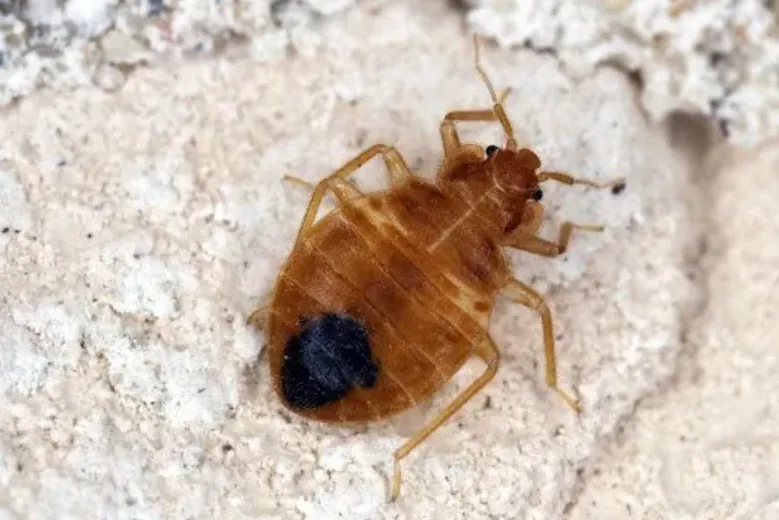
Bed bugs are tiny, nocturnal insects that have plagued humans for centuries, often causing discomfort and distress with their bites. Understanding the life cycle of bed bugs is essential for effectively managing and eliminating infestations. Here are answers to some of the most common questions about bed bugs:
- What is the life cycle of a bed bug?
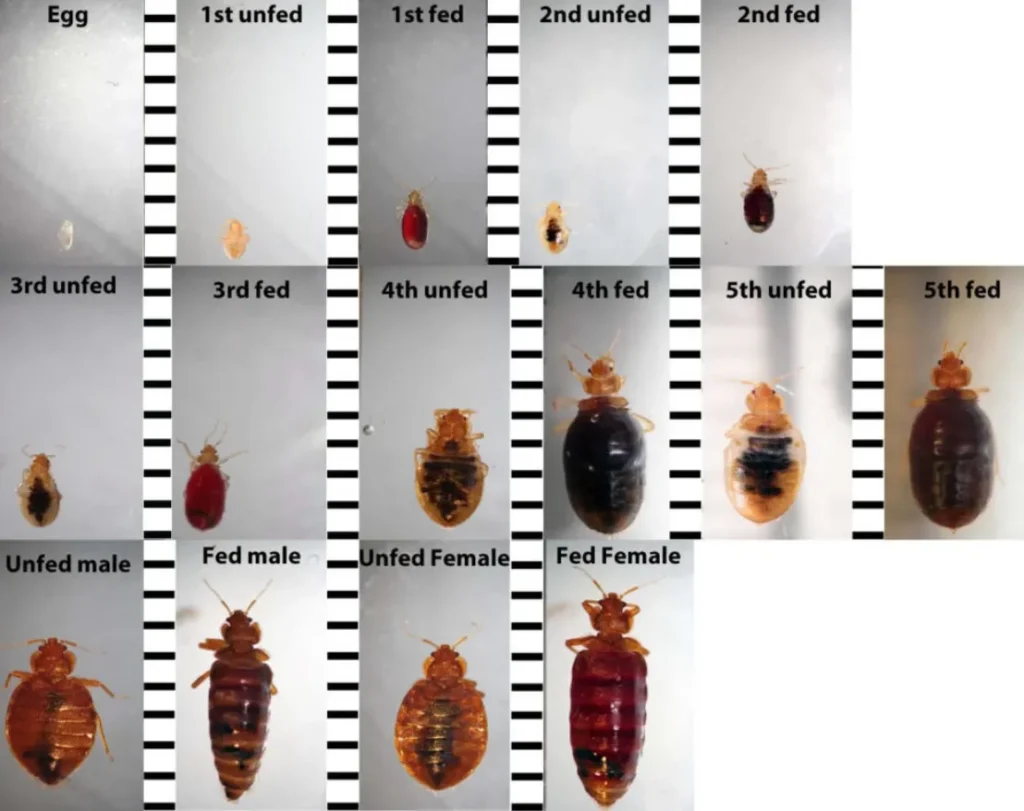
- The bed bug life cycle consists of five stages: egg, nymph, and adult. Bed bugs reproduce quickly, with each female laying up to 5 eggs daily, leading to rapid population growth.
- How long does it take for a bed bug to go through its life cycle?
- Depending on environmental conditions, a bed bug can take anywhere from 1 to 4 months to complete its life cycle. Warmer environments accelerate their growth.
- What are the signs of a bed bug infestation?
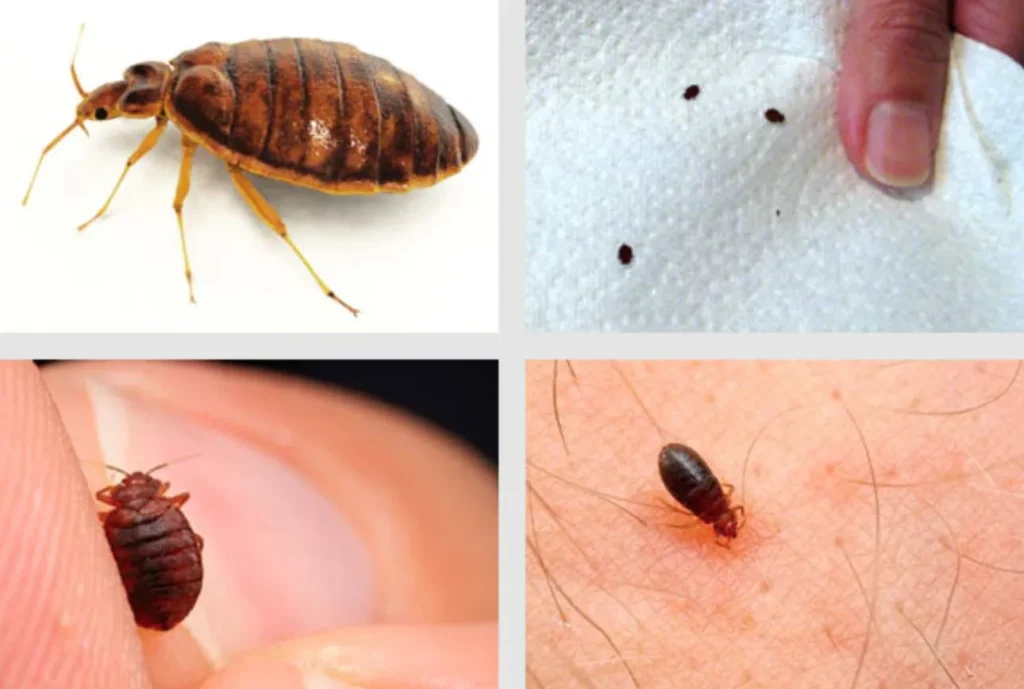
- Common signs include itchy bites, blood stains on sheets, and small, dark spots (fecal matter) on bedding and furniture.
Quick Life Cycle Table
| Stage | Description | Duration |
| Egg | The female bed bug lays eggs that hatch in 6-10 days. | 6-10 days |
| Nymph | Nymphs molt 5 times before reaching adulthood. | 3-5 weeks |
| Adult | The fully grown bed bug can reproduce. | 4-6 months |
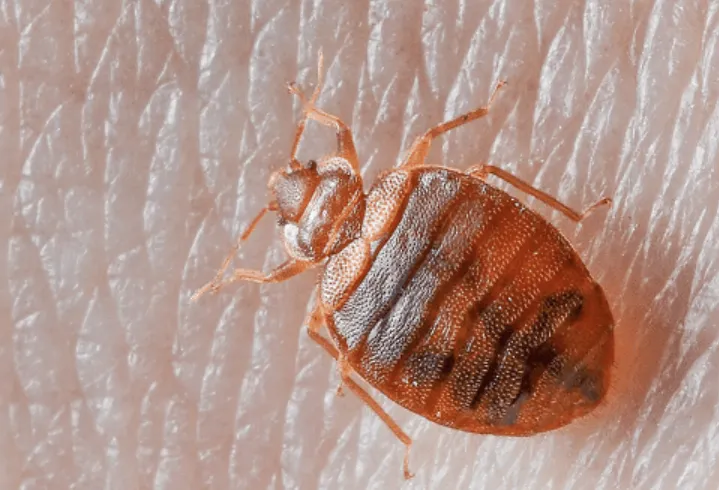
The History of Their Scientific Naming
The scientific name of the bed bug, Cimex lectularius, has its roots in Latin: “Cimex” means “bug,” and “lectularius” refers to its habitat, the bed. This name was established in the 18th century by the Swedish scientist Carl Linnaeus.
The bed bug’s genus, Cimex, includes several species, but C. lectularius is the one most commonly associated with human infestations. The scientific classification of bed bugs has helped researchers better understand their behavior, evolution, and the challenges they present in controlling infestations.
Their Evolution and Their Origin
Bed bugs have been around for over 3,000 years, with evidence showing they were likely once parasites of bats. As humans began living in caves, bed bugs adapted to feed on humans rather than bats. The evolutionary shift allowed them to thrive in human settlements, especially as people began using bedding made from straw, feathers, and other materials that provided a perfect hiding spot for bed bugs.
The first recorded infestation of bed bugs dates back to Ancient Egypt, where they were documented as pests in homes and palaces. Over the centuries, bed bugs spread across the globe, thriving in cities with dense human populations.
The widespread use of pesticides like DDT in the mid-20th century nearly wiped out bed bugs. Still, they have made a significant comeback in recent decades due to the development of pesticide resistance and increased international travel.
Their Main Food and Its Collection Process
Bed bugs primarily feed on the blood of mammals, including humans, dogs, and rodents. The collection of their food is a precise process. Here’s how it works:
- Nighttime Feeding: Bed bugs are nocturnal and feed on their hosts while they sleep. They are attracted by the warmth and carbon dioxide emitted by humans.
- Piercing Skin: Bed bugs use a specialized mouthpart called a proboscis to pierce the skin of their host and feed on blood.
- Feeding Duration: Feeding typically lasts anywhere from 5 to 10 minutes.
- Feeding Frequency: Bed bugs may feed once every 5 to 10 days, but they can survive without a blood meal for several months.
Their Life Cycle and Ability to Survive in Nature
Life Cycle and Survival
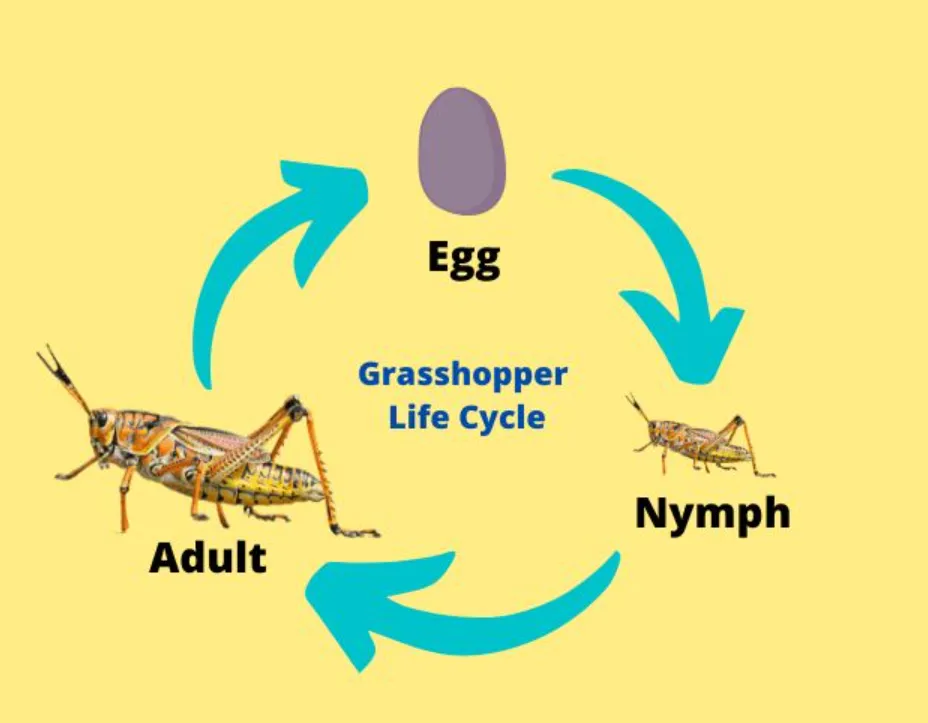
Bed bugs undergo an incomplete metamorphosis, which means they go through three stages: egg, nymph, and adult. Various environmental factors, particularly temperature, influence their life cycle. Here’s how they survive in nature:
- Egg Stage: Eggs are laid in cracks and crevices, where they hatch within 6-10 days.
- Nymph Stage: Nymphs must feed on blood to molt and progress through each of the five stages.
- Adult Stage: Once they reach adulthood, bed bugs can reproduce, laying up to 5 eggs daily.
- Survival in Harsh Conditions: Bed bugs can survive for months without feeding by entering a state of dormancy. This ability to survive without a meal makes them particularly difficult to eliminate.
Their Reproductive Process and Raising Their Children
The reproductive process of bed bugs is unique. Here’s how they reproduce and raise their young:
- Mating Process: Male bed bugs engage in a violent mating process called traumatic insemination, where they pierce the female’s abdomen and inject sperm directly into her body.
- Egg Laying: Females lay up to 5 eggs a day, typically in cracks and crevices near human sleeping areas.
- Egg to Nymph: Eggs hatch in 6-10 days into nymphs, which resemble adults but are smaller and require blood meals to molt and mature.
- Nymph Development: Nymphs molt 5 times before reaching adulthood, a process that can take 3 to 5 weeks, depending on temperature.
Importance of Bed Bugs in This Ecosystem
Bed bugs play a critical but often misunderstood role in ecosystems. While they are primarily parasites of humans and other mammals, they also serve as food for some insectivores, such as spiders, ants, and certain birds. Here’s how they contribute:
- Nutrient Recycling: Bed bugs feed on their hosts’ blood, breaking down proteins and nutrients that are ultimately recycled into the ecosystem.
- Food Source for Predators: They serve as food for several natural predators, helping maintain ecosystem balance.
- Indicator Species: The presence of bed bugs in an area can indicate problems with cleanliness or hygiene, serving as an ecological warning for human health.
What to Do to Protect Them in Nature and Save the System for the Future
To ensure that bed bugs continue to serve their ecological role without becoming pests in our homes, we must consider the following measures:
- Preserve Natural Habitats: Protect environments where bed bugs thrive, such as forests, to maintain their role in the food chain.
- Avoid Overuse of Pesticides: Excessive use can disrupt ecological balance and lead to pesticide resistance.
- Research and Education: Educating the public about the role of bed bugs in ecosystems can help reduce stigma while promoting sustainable management strategies.
Important Things That You Need To Know About Bed Bugs
Bed bugs are not only pests; they have a vital role in ecosystems. Here are important things you should know:
- Survival Skills: Bed bugs can survive for months without feeding, making them resilient to environmental changes. They can survive in extreme cold and heat by entering a dormant state.
- Feeding Mechanism: They feed by piercing their host’s skin with a specialized mouthpart that extracts blood without causing immediate pain to the host.
- Reproduction: Bed bugs can reproduce quickly, with females laying up to 5 eggs per day, making it crucial to manage infestations quickly.
- Resistance: Bed bugs have developed resistance to many traditional pesticides, making them harder to eliminate with conventional methods.
Frequently Asked Questions (FAQs)
- What is the lifespan of a bed bug?
- Bed bugs can live up to 6 months to a year, depending on environmental conditions.
- Can bed bugs live without feeding?
- Yes, they can survive for months without feeding, entering a dormant state to conserve energy.
- How do bed bugs spread?
- Bed bugs spread through luggage, second-hand furniture, and clothing, making travel a common way for infestations to begin.
- Are bed bugs dangerous?
- Bed bugs are not known to transmit diseases, but their bites can cause allergic reactions and secondary infections.
- How do you get rid of bed bugs?
- Professional pest control, heat treatments, and proper cleaning can help eliminate bed bug infestations.
- Can bed bugs be prevented?
- Regular inspection of bedding, furniture, and luggage can help detect and prevent bed bug infestations.
- Do bed bugs prefer certain environments?
- Bed bugs prefer warm, dark, and tight spaces near their hosts, such as mattresses, furniture, and cracks in the walls.
- Can bed bugs live in your hair?
- While rare, bed bugs can occasionally crawl onto hair, but they prefer to feed on exposed skin rather than the scalp.
Conclusion
Understanding the life cycle of bed bugs is essential for managing and preventing infestations. Their resilience, rapid reproduction, and ability to survive in harsh conditions make them difficult to control.
By recognizing the role bed bugs play in the ecosystem and taking proactive steps to protect against infestations, we can create a balance between managing these pests and maintaining ecological harmony.
Also Read: immortal jellyfish life cycle