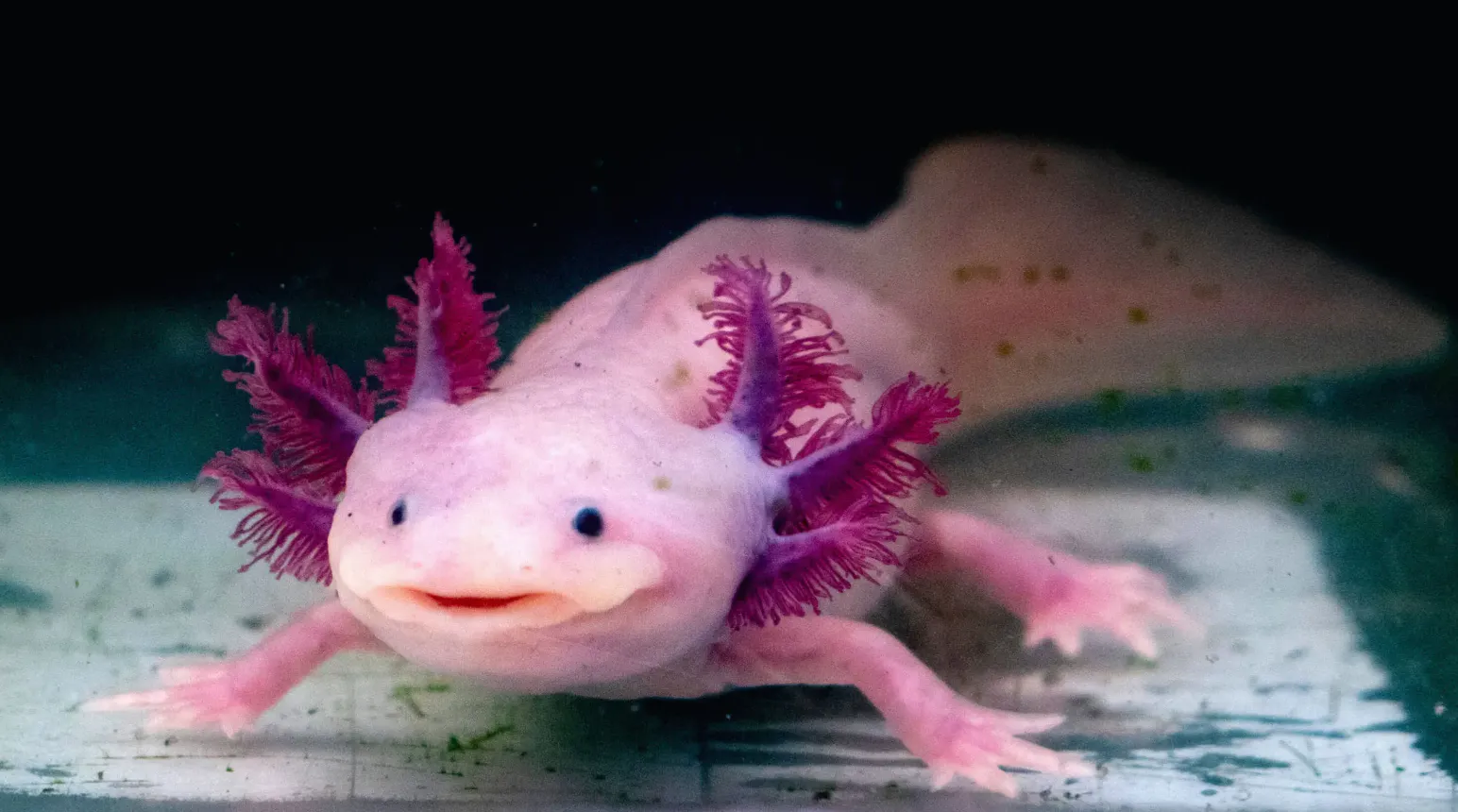
Axolotls, also known as Ambystoma mexicanum, are fascinating aquatic creatures widely known for their ability to regenerate lost body parts and their distinctive appearance. Native to lakes near Mexico City, these salamanders have captivated biologists and pet owners alike for years. But one of the most intriguing aspects of these creatures is their life cycle. Understanding the stages of the axolotl life cycle can deepen your appreciation for their resilience and survival skills.
3 Quick Answers About Axolotls:
- What is the life cycle of an axolotl?
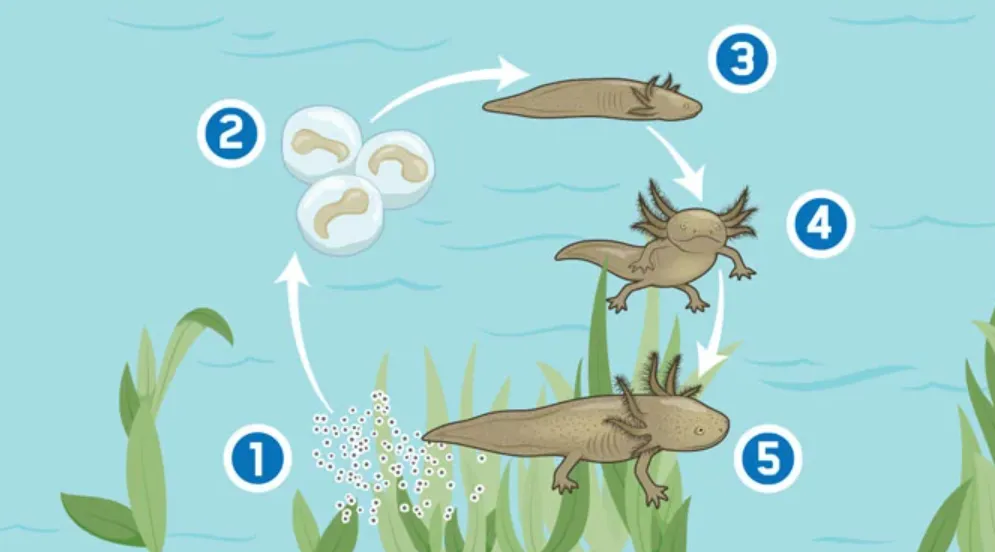
- The life cycle of an axolotl includes several distinct stages: egg, larva, juvenile, and adult. Interestingly, axolotls often remain in their larval form throughout their lives in a condition called neoteny, meaning they do not undergo full metamorphosis into land-dwelling adults.
- What do axolotls eat?
- Axolotls are carnivorous and primarily feed on small fish, worms, and other aquatic creatures, such as crustaceans. In captivity, they are often fed earthworms, brine shrimp, and specialized axolotl pellets.
- Are axolotls endangered?
- Yes, axolotls are critically endangered in the wild due to habitat destruction, pollution, and invasive species. Conservation efforts are in place to help preserve their natural habitat and protect the species.
Quick Life Cycle Table
| Stage | Description |
| Egg | Axolotls lay their eggs in clusters, which hatch after about 2 weeks. |
| Larva | The larvae hatch with external gills, live in water, and grow for months. |
| Juvenile | At this stage, the axolotl starts to develop its adult features but remains aquatic. |
| Adult | Full-grown axolotls reach sexual maturity, often retaining their larval traits. |
The History of Their Scientific Naming
The axolotl’s scientific name, Ambystoma mexicanum, has an interesting origin rooted in ancient Aztec language and culture. The word “axolotl” comes from the Nahuatl language, where “atl” means water and “xolotl” means monster or god. This name reflects their mythical significance and aquatic nature.
Biologists initially classified them as part of the Ambystoma genus, a group of salamanders. The species name “mexicanum” indicates their native habitat in Mexico. Over time, axolotls have become synonymous with scientific research due to their unique biological traits, particularly their regenerative abilities and neotenic behavior.
Their Evolution and Their Origin
Axolotls are part of the Ambystoma genus, which consists of various species of mole salamanders. The origin of the axolotl can be traced back to central Mexico, where they have historically thrived in lakes such as Lake Xochimilco.
Unlike other amphibians that undergo complete metamorphosis, axolotls exhibit a fascinating evolutionary trait known as neoteny. This means they retain their juvenile aquatic characteristics, such as external gills, even as they mature sexually.
This evolutionary trait has made axolotls highly distinct from other amphibians. While most salamanders transition to a terrestrial form, axolotls remain aquatic throughout their lives, a rare trait in the animal kingdom. Their ability to regenerate lost limbs, spinal cord, and even parts of their heart and brain has also contributed to their evolutionary success in the wild.
However, with the rise of pollution and habitat destruction, their numbers have dwindled, placing them at risk of extinction in their natural habitat.
Their Main Food and Its Collection Process
Axolotls are carnivorous, primarily preying on small aquatic organisms such as worms, small fish, and crustaceans. In the wild, they hunt by ambush, using their keen senses to detect prey underwater. They often use their specialized jaws to snap up their food quickly. Axolotls are opportunistic feeders, meaning they will consume anything that fits into their mouths, including small aquatic animals and invertebrates.
Collection Process:
- Natural Hunting: Axolotls rely on their hunting instincts to capture small fish and invertebrates in the wild. Their ability to detect waterborne vibrations helps them track down their prey.
- In captivity, axolotls are usually fed earthworms, brine shrimp, and specially formulated axolotl pellets. Feeding can be done by placing the food near the axolotl’s mouth, where they will naturally grab it.
Their Life Cycle and Ability to Survive in Nature
The Life Cycle of Axolotls
The axolotl’s life cycle is distinct and fascinating, with one of the most notable features being its retention of juvenile traits throughout adulthood. Typically, their life cycle follows four stages:
- Egg: Female axolotls lay their eggs in water, where they are fertilized externally. The eggs hatch in about two weeks.
- Larva: Once hatched, the axolotls are larvae with external gills. They continue to grow and develop in water.
- Juvenile: As they grow, axolotls develop into juvenile forms, but they remain in water and do not undergo full metamorphosis.
- Adult: Adult axolotls are sexually mature and can reproduce, but they retain their aquatic features throughout life.
Survival in Nature
Axolotls are adapted to life in water and can regenerate body parts, including limbs, the spinal cord, and organs. Their survival in nature depends on a delicate balance of habitat quality, food availability, and water temperature.
They are typically found in cool, clear waters and are sensitive to changes in water quality. Pollution, habitat destruction, and the introduction of invasive species threaten their survival, which is why they are now considered critically endangered.
Their Reproductive Process and Raising Their Children
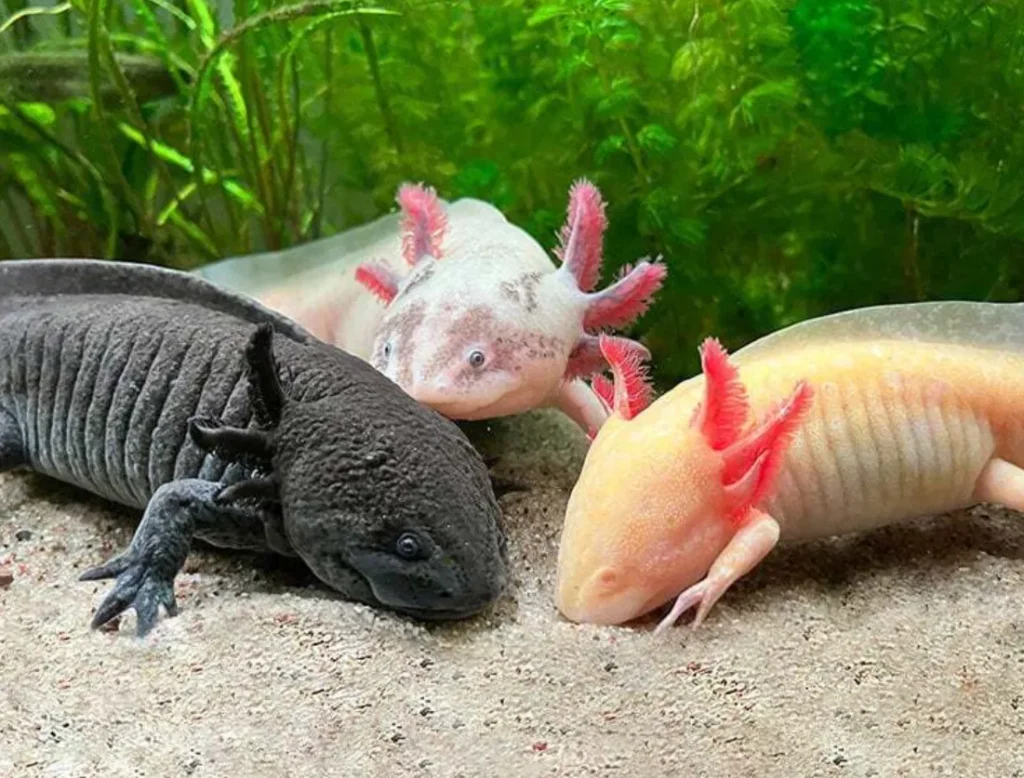
Axolotls reproduce through external fertilization. The male axolotl deposits sperm packets, which the female picks up to fertilize her eggs. The fertilized eggs are then laid in the water, where they hatch into larvae in about 2 weeks. The female can lay hundreds of eggs at a time, which are carefully deposited on plants or other submerged surfaces.
Unlike some species, axolotls do not exhibit parental care. The eggs and larvae are left to develop independently, relying on their instincts to survive. The hatchlings are fully aquatic and begin their journey through the life cycle, growing into juveniles and eventually maturing into adults.
Importance of Axolotls in This Ecosystem
Axolotls play a crucial role in their ecosystem, particularly in the aquatic environments where they reside. As apex predators in their habitat, they help control populations of smaller aquatic animals, such as worms and small fish. This regulation of species helps maintain balance in the food chain.
Moreover, axolotls contribute to nutrient cycling in their habitats. Their feeding habits help break down organic material, which supports the overall health of the ecosystem. As bioindicators, axolotls can also signal changes in water quality, making them an important part of ecological monitoring efforts.
What to Do to Protect Axolotls in Nature and Save the System for the Future
To ensure the survival of axolotls and protect their ecosystems, we must take proactive steps:
- Preserve Natural Habitats: Protecting and restoring the lakes and canals where axolotls live is crucial for their survival.
- Reduce Pollution: Minimizing pollution from industrial, agricultural, and urban waste is vital to maintaining the water quality.
- Control Invasive Species: Preventing the introduction of invasive species, such as the Asian carp, which compete with axolotls for food, is essential.
- Support Conservation Efforts: Participate in conservation programs and support organizations that protect axolotls to make a difference.
Important Things That You Need to Know About Axolotls
Axolotl, Minecraft Axolotl, Cute Axolotl, Baby Axolotl, Axolotl Drawing, Axolotl Squishmallow
Axolotls have become cultural icons, especially with the rise of Minecraft axolotls, which are adorable and playful creatures featured in the popular video game. In real life, axolotls are also adored for their cute, smiling faces and distinct, frilly gills. Many fans of axolotls love to express their affection through various art forms, such as axolotl drawings and plush toys like the axolotl squishmallow.
- Minecraft Axolotl: In the Minecraft universe, axolotls serve as friendly, water-dwelling creatures that help players by attacking hostile mobs and offering a sense of charm to the game. This portrayal has increased awareness and appreciation of the real-world species.
- Cute Axolotl: With their unique smile and quirky behavior, axolotls have been dubbed one of the cutest animals in the world. Their charm has earned them a dedicated following among pet owners and wildlife enthusiasts.
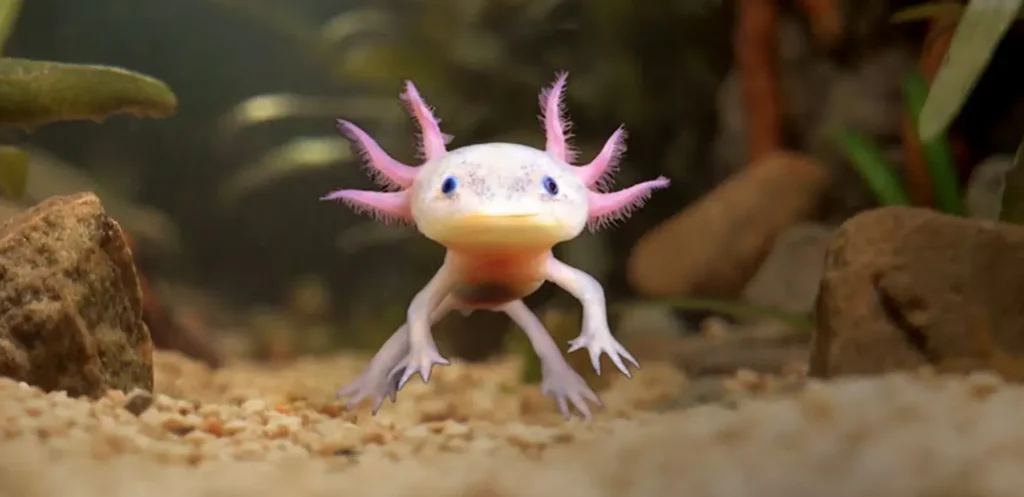
- Baby Axolotl: Baby axolotls, or larvae, are particularly adorable, with their tiny, delicate features and bright, translucent skin. These young axolotls go through their own growth stages, progressing from juveniles to adults.
- Axolotl Drawing: Artists around the world have been captivated by axolotls, creating intricate drawings and illustrations that highlight their unusual features. Axolotl art often emphasizes their beautiful gills and unique aquatic form.
- Axolotl Squishmallow: For those who prefer a cuddly version of their favorite creatures, the axolotl squishmallow has become a sought-after plush toy. With its soft texture and cute design, it’s a popular item among collectors and fans of the species.
Axolotls hold a special place in the hearts of many, and understanding their life cycle, conservation needs, and cultural significance is key to ensuring their future.
Frequently Asked Questions (FAQs)
- How long do axolotls live?
- Axolotls typically live for 10 to 15 years in captivity, but their lifespan can be shorter in the wild due to environmental factors.
- Do axolotls undergo metamorphosis?
- No, axolotls are neotenic and do not undergo full metamorphosis like most amphibians. They retain their larval features throughout life.
- Can axolotls regenerate limbs?
- Yes, axolotls can regenerate lost limbs, spinal cord, heart tissue, and even parts of their brain.
- What is the size of an adult axolotl?
- Adult axolotls can grow up to 12 inches (30 cm) in length.
- Do axolotls need special care in captivity?
- Yes, axolotls require specific water conditions, such as cool temperatures and clean, well-filtered water.
- Are axolotls endangered?
- Yes, axolotls are critically endangered in the wild due to habitat loss, pollution, and invasive species.
- What is the best food for axolotls?
- Axolotls eat earthworms, brine shrimp, and specially formulated axolotl pellets.
- Can axolotls live with other fish?
- It’s generally not recommended to keep axolotls with fish, as they may prey on smaller fish or become stressed by the presence of other species.
Conclusion
The axolotl is a unique and fascinating creature, offering valuable insights into biology, regeneration, and the importance of preserving our natural world. With their ability to regenerate limbs, retain juvenile traits, and play a vital role in their ecosystem, axolotls are truly one of nature’s wonders. Protecting them and their habitats is essential to ensure that these remarkable creatures continue to thrive for generations to come.
Also Read: lady beetle life cycle