The house fly life cycle is one of the most fascinating and rapid biological processes in the insect world. House flies (Musca domestica) are common insects found almost everywhere humans live. Despite their small size, they play a significant role in ecosystems and human environments.
Understanding the house fly life cycle helps us control their population, prevent disease spread, and appreciate their ecological importance. From tiny eggs to buzzing adults, their transformation happens quickly—often within just a few days under the right conditions.
Quick Answers (Most Common Questions)
1. How long does a house fly live?
A typical house fly’s lifespan ranges from 15 to 30 days, depending on temperature and food availability.
2. Where do house flies lay eggs?
Female flies lay house fly eggs in moist organic materials like garbage, manure, or decaying food.
3. How fast is the housefly’s life cycle?
The complete cycle can take as little as 7–10 days in warm conditions.
Quick Life Cycle Table
| Stage | Description | Duration (Approx.) |
| Egg | Tiny white eggs are laid in clusters | 8–24 hours |
| Larva (Maggot) | Worm-like feeding stage | 3–5 days |
| Pupa | Protective casing for transformation | 3–6 days |
| Adult Fly | Fully developed flying insect | 15–30 days |
The History Of Their Scientific Naming
The scientific classification of the house fly reflects centuries of biological study and observation.
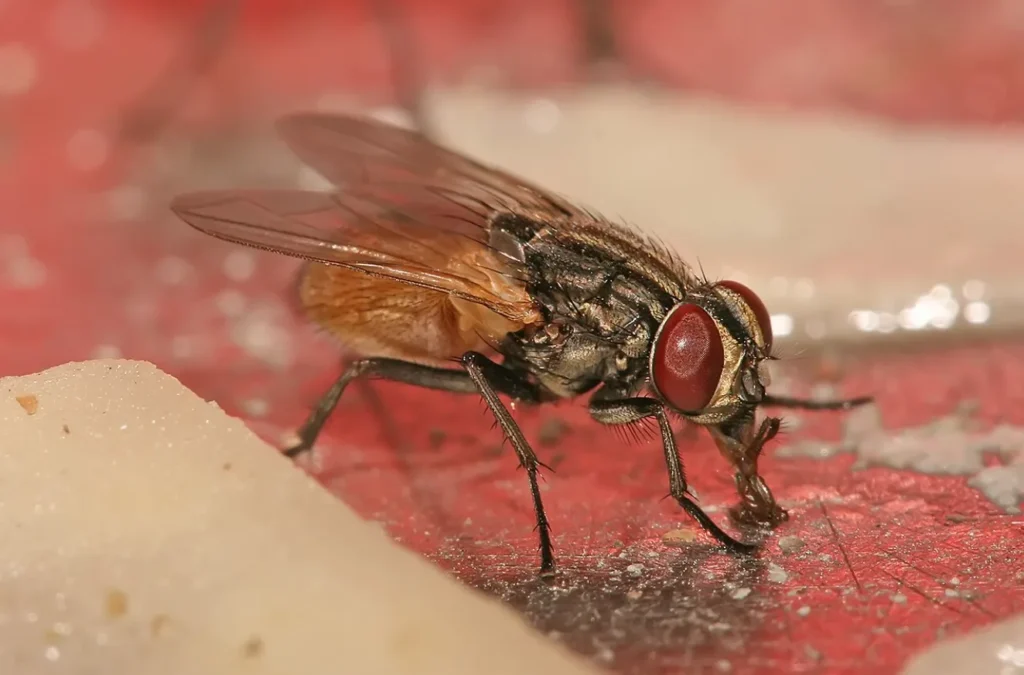
- The house fly is scientifically known as Musca domestica, a name given by the famous Swedish scientist Carl Linnaeus in 1758.
- “Musca” means fly in Latin, while “domestica” refers to its close association with human homes.
- Early scientists grouped flies based on their wing structure and feeding habits.
- Over time, entomologists refined classifications using genetic and anatomical research.
- House flies belong to the order Diptera, meaning “two wings,” which distinguishes them from other insects.
This scientific naming helped researchers worldwide consistently study flies and better understand their behavior, reproduction, and environmental roles.
Their Evolution And Their Origin
House flies have an evolutionary history that dates back millions of years. Fossil evidence suggests that early fly species existed during the Cretaceous period, evolving alongside flowering plants and early mammals.
Initially, flies were wild insects living in forests and natural environments. However, as humans began forming settlements, these insects adapted quickly. The rise of agriculture and livestock production produced abundant organic waste—ideal breeding grounds for house flies.
Over time, Musca domestica evolved traits that allowed it to thrive near humans. These include:
- Rapid reproduction cycles
- Strong adaptability to different climates
- Ability to consume a wide variety of organic materials
Unlike many insects, house flies do not bite like a horse fly, as a horse fly vs house fly comparison might suggest. Instead, they feed using sponge-like mouthparts, which evolved to consume liquids and semi-liquids.
Today, house flies are found worldwide, making them among the most widespread insect species. Their success is largely due to their close relationship with human activity, which continues to provide food and breeding opportunities.
Their Main Food and Its Collection Process
House flies are opportunistic feeders, meaning they eat almost anything organic. Their feeding behavior is both fascinating and essential to understand.
Main Food Sources
- Decaying organic matter (garbage, dead animals)
- Human food leftovers
- Animal manure
- Sugary substances like fruits and juices
- Bodily fluids and waste
Food Collection Process
- House flies cannot chew food because their mouthparts are too soft.
- They regurgitate digestive enzymes onto solid food to dissolve it.
- Once liquefied, they suck up the food using a sponge-like structure called a proboscis.
- Their sticky feet help them detect food sources quickly.
This feeding method makes them efficient recyclers in nature, but also dangerous carriers of bacteria. While many people fear house fly bites, it’s important to note that house flies do not bite—they spread germs through contact instead.
Their Life Cycle and Ability to Survive in Nature
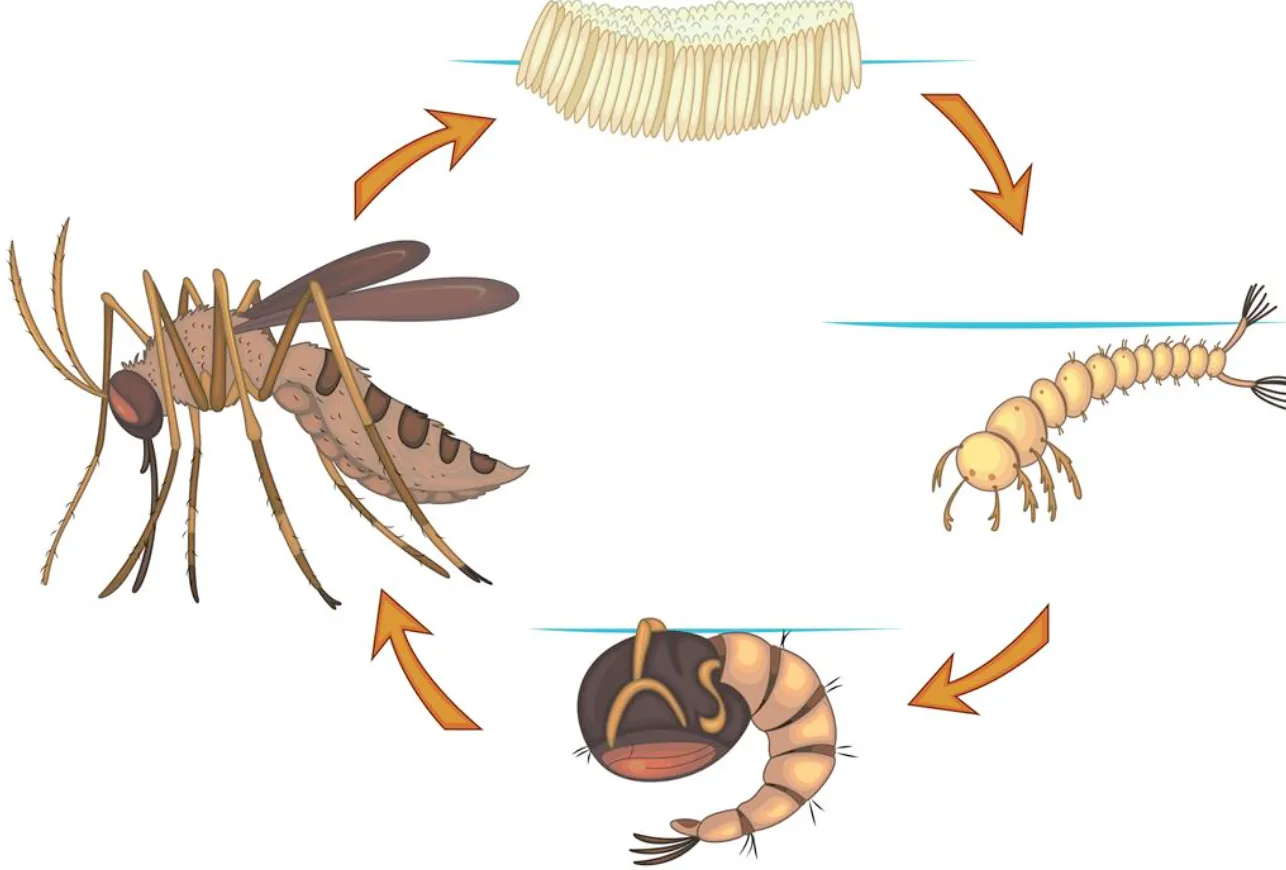
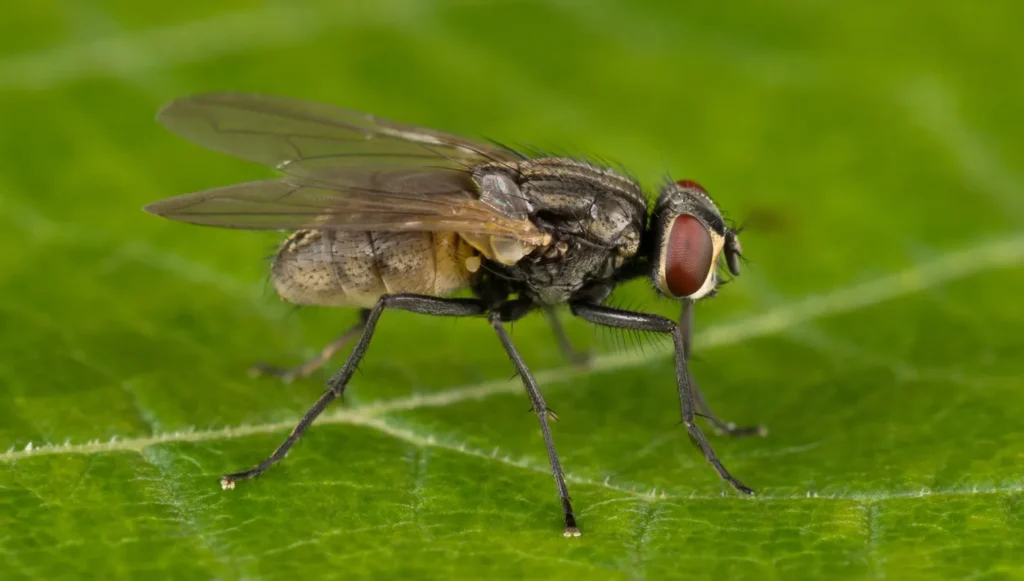
Egg Stage
Female flies lay up to 150 eggs at a time. These eggs hatch quickly in warm, moist environments.
Larva Stage (Maggot)
The larvae, commonly called house fly larvae, feed continuously on organic material. This stage is crucial for growth.
Pupa Stage
During this stage, the maggot transforms into an adult inside a protective casing. This transformation is called metamorphosis.
Adult Stage
Adult flies emerge ready to reproduce within a few days. Their ability to fly helps them spread rapidly.
House flies survive due to:
- Fast reproduction
- High adaptability
- Ability to thrive in human environments
Important Things That You Need To Know
Understanding related concepts and commonly searched terms can give deeper insight into house flies and their behavior.
House Fly
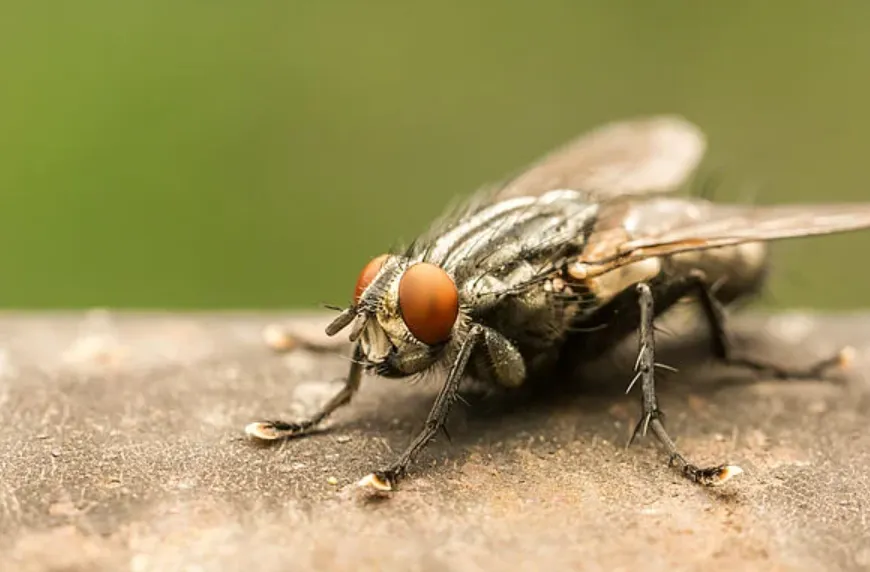
The house fly is one of the most common insects worldwide. It thrives in human habitats due to easy access to food and breeding grounds.
House Fly Trap
A house fly trap is a popular method to control fly populations. These traps use bait to attract flies and prevent them from escaping.
House Fly Lifespan
The house fly’s lifespan is relatively short, but its rapid reproduction makes it hard to control. A single pair can produce thousands of offspring.
House Fly Eggs
House fly eggs are tiny and white, usually laid in clusters. They hatch quickly, making early detection difficult.
House Fly Larvae
The larval stage is essential for growth. House fly larvae consume large amounts of organic material, helping in decomposition.
Additional Insights
- Flies are often confused with biting insects, but they do not bite.
- Their presence usually indicates poor sanitation conditions.
- Proper waste management can significantly reduce infestations.
Their Reproductive Process and Raising Their Children
House flies reproduce rapidly, making them one of the fastest-growing insect populations.
Reproductive Process
- Female flies mate only once but store sperm for multiple egg-laying cycles.
- They lay eggs in batches, often in decaying organic matter.
- A single female can lay up to 500 eggs in her lifetime.
Development of Offspring
- Eggs hatch into larvae within hours.
- Larvae feed continuously to gain energy.
- Pupation allows transformation into adults.
Parental Role
Unlike mammals, house flies do not care for their young after laying eggs. Their survival depends on choosing the right environment.
Importance of Them in this Ecosystem
Decomposition Process
House flies play a vital role in breaking down organic waste, speeding up decomposition.
Food Source
They serve as food for birds, reptiles, and other insects.
Nutrient Recycling
Their feeding habits help recycle nutrients back into the soil.
Scientific Research
House flies are used in research to study genetics, disease transmission, and insect behavior.
Despite their negative reputation, they contribute significantly to maintaining ecological balance.
What to Do to Protect Them in Nature and Save the System for the Future
Although often seen as pests, house flies play an important ecological role.
- Maintain proper waste disposal systems
- Avoid excessive use of chemical pesticides
- Promote natural predators like birds and frogs
- Use eco-friendly house fly trap methods
- Keep environments clean without destroying natural habitats
- Support biodiversity by preserving ecosystems
- Educate communities about their ecological importance
Frequently Asked Questions (FAQs)
1. What is the life cycle of a housefly?
It includes four stages: egg, larva, pupa, and adult.
2. How long does it take for a housefly to grow?
It takes about 7–10 days under ideal conditions.
3. Do house flies bite humans?
No, house flies do not bite, unlike horse flies.
4. Where do house flies lay eggs?
They lay eggs in moist organic materials, such as garbage.
5. What do house fly larvae eat?
They feed on decaying organic matter.
6. How can I control house flies?
Use traps, maintain cleanliness, and remove breeding sources.
7. Why are house flies dangerous?
They can spread diseases by carrying bacteria.
8. What is the lifespan of a house fly?
Typically 15–30 days.
Conclusion
The house fly’s life cycle is a remarkable example of rapid growth and adaptation. From eggs to adult flies, each stage plays a crucial role in survival and reproduction.
While house flies are often viewed as pests, they serve important ecological functions, such as decomposing waste and recycling nutrients. Understanding their life cycle helps us manage their population effectively while maintaining environmental balance.
By combining proper sanitation with eco-friendly control methods, we can reduce their negative impact without harming the ecosystem. Ultimately, learning about house flies not only improves hygiene but also deepens our appreciation for the complex roles even the smallest creatures play in nature.
Also Read: grasshopper insect life cycle