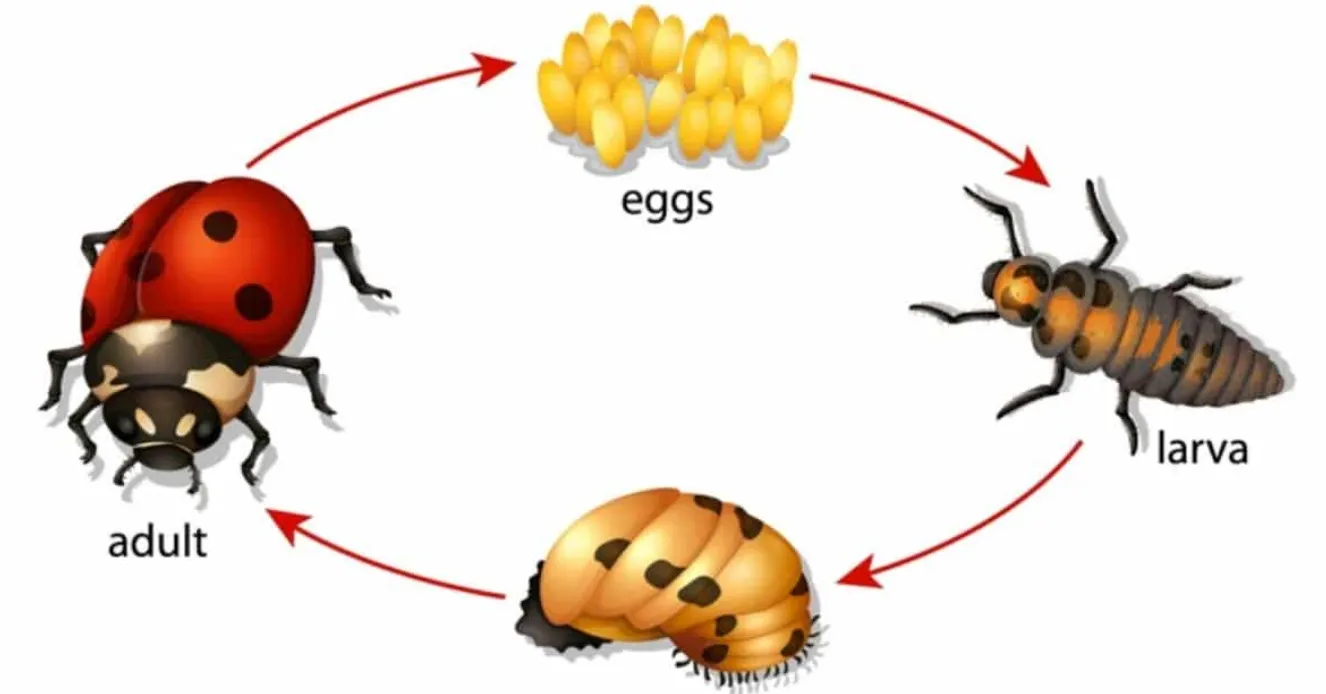
The lady beetle life cycle is a fascinating natural process that showcases one of nature’s most beneficial insects. Often called ladybugs, these tiny beetles play a vital role in controlling pests and maintaining ecological balance. Understanding their life cycle helps us appreciate their importance and protect their population.
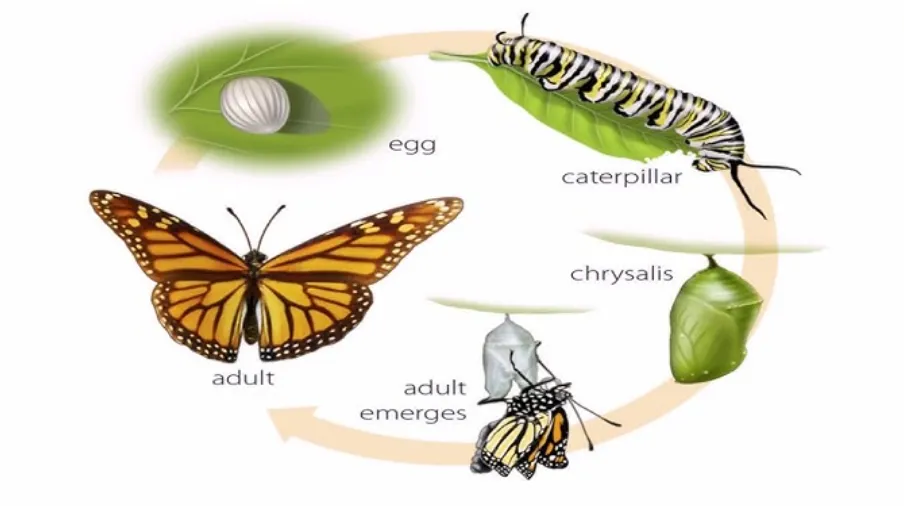
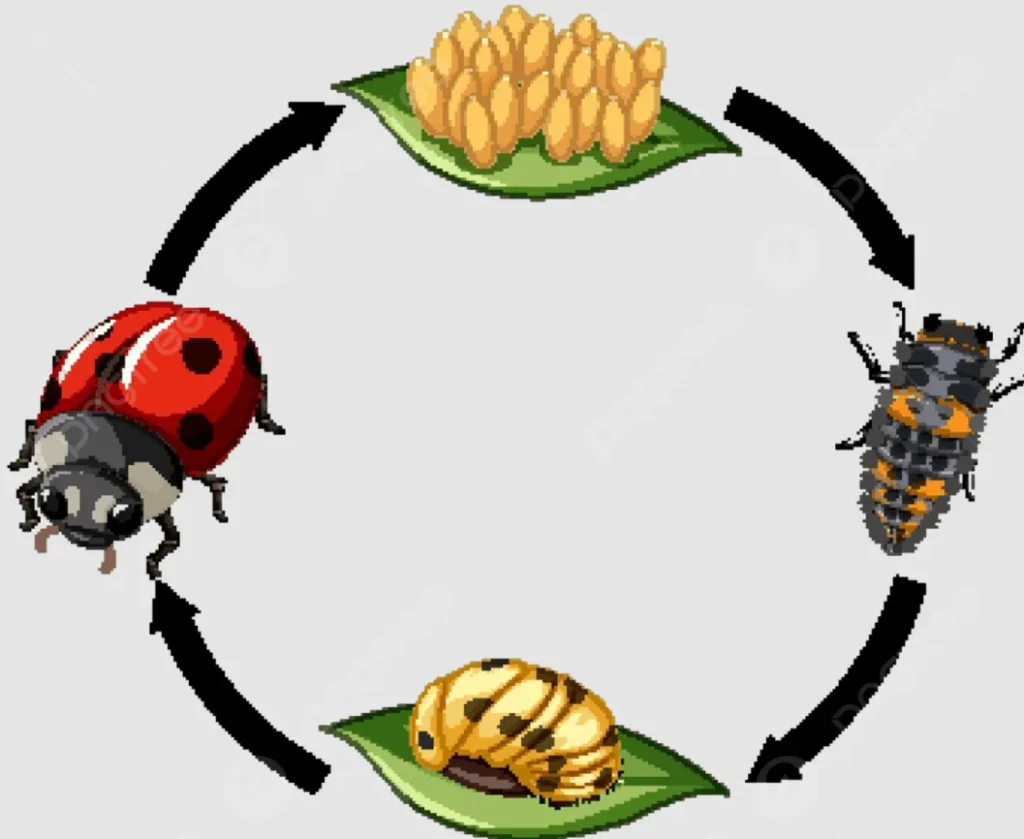
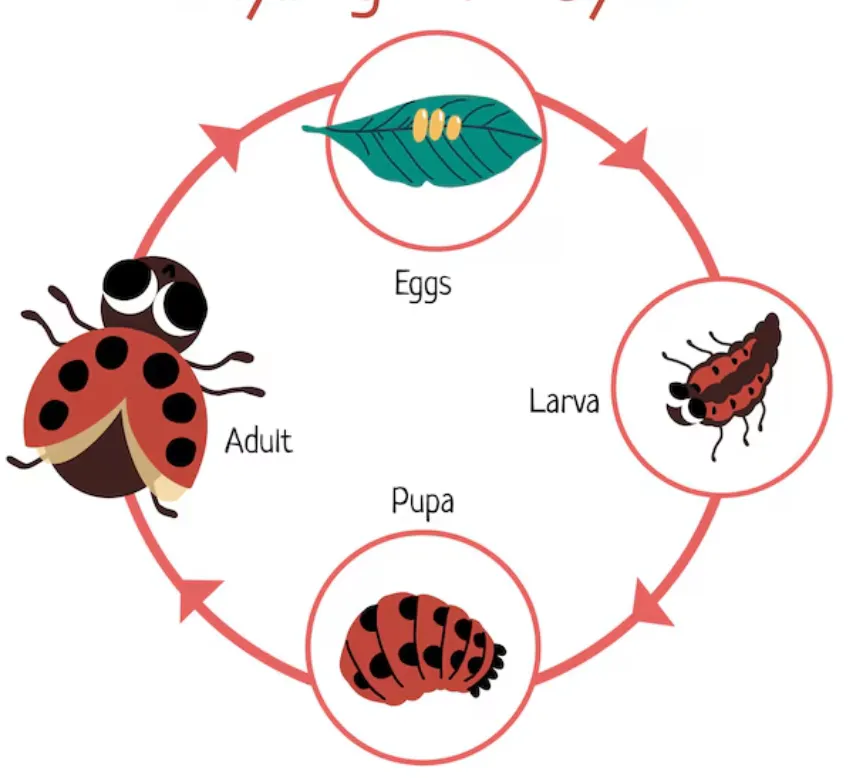
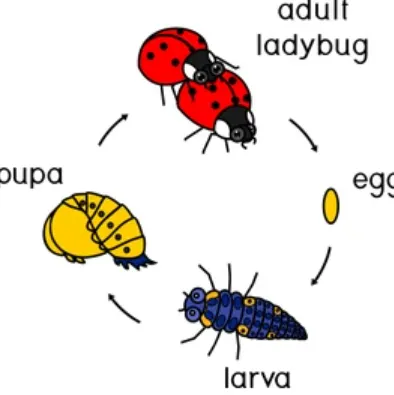
Ladybeetles go through a complete metamorphosis, which includes four distinct stages: egg, larva, pupa, and adult. Each stage has its own characteristics and survival strategies, making their life cycle both complex and efficient.
Quick Answers (Most Common Questions)
1. What are the stages of the lady beetle life cycle?
The lady beetle life cycle includes four stages: egg → larva → pupa → adult.
2. How long does a lady beetle live?
A lady beetle typically lives for about 1 year, depending on environmental conditions.
3. Are ladybeetles harmful to humans?
No, ladybeetles are mostly harmless, although some species, like the Japanese ladybeetle, may occasionally bite.
Quick Life Cycle Table
| Stage | Duration | Key Characteristics |
| Egg | 2–5 days | Yellow/orange eggs laid on leaves |
| Larva | 2–3 weeks | Active feeders look like tiny alligators |
| Pupa | 5–7 days | Transformation stage |
| Adult | Several months to 1 year | Bright colored, reproductive stage |
The History Of Their Scientific Naming
The scientific naming of lady beetles reflects both their biological classification and their historical significance.
- Ladybeetles belong to the family Coccinellidae, derived from the Latin word coccineus, meaning “scarlet.”
- The common name “ladybird” or “ladybug” originated in Europe, where farmers believed the Virgin Mary sent these insects to protect crops.
- In North America, the term “ladybug” became more popular, though technically, they are beetles, not bugs.
- Over 5,000 species of ladybeetles have been identified worldwide, each with unique patterns and behaviors.
- Scientific classification helps researchers distinguish between beneficial and invasive species, such as the Japanese lady beetle (Harmonia axyridis).
This naming history highlights their importance in agriculture and science, making them among the most-studied insect groups.
Their Evolution And Their Origin
Ladybeetles have a long evolutionary history dating back millions of years. Fossil evidence suggests that early beetles appeared during the Cretaceous period, around 145 million years ago. Over time, lady beetles evolved specialized traits that enabled them to thrive in diverse environments.
Initially, their ancestors were general feeders. However, natural selection favored those that consumed plant pests such as aphids. This adaptation made them highly beneficial to ecosystems and agriculture.
Their bright coloration, often red with black spots, evolved as a warning signal to predators. This phenomenon, known as aposematism, indicates that they are not tasty or may be toxic. Birds and other predators quickly learn to avoid them.
Ladybeetles spread across continents through natural migration and human activities. Today, they are found worldwide in forests, grasslands, gardens, and agricultural fields.
Their ability to adapt to different climates, reproduce quickly, and feed on harmful insects has ensured their survival for millions of years.
Important Things That You Need To Know
Understanding Key LSI Keywords Related to Ladybeetles
The terms associated with ladybeetles often create confusion. Here’s what you need to know:
Ladybeetle vs Ladybug
Both terms refer to the same insect. “Ladybeetle” is scientifically accurate, while “ladybug” is more commonly used.
Ladybeetle Larvae
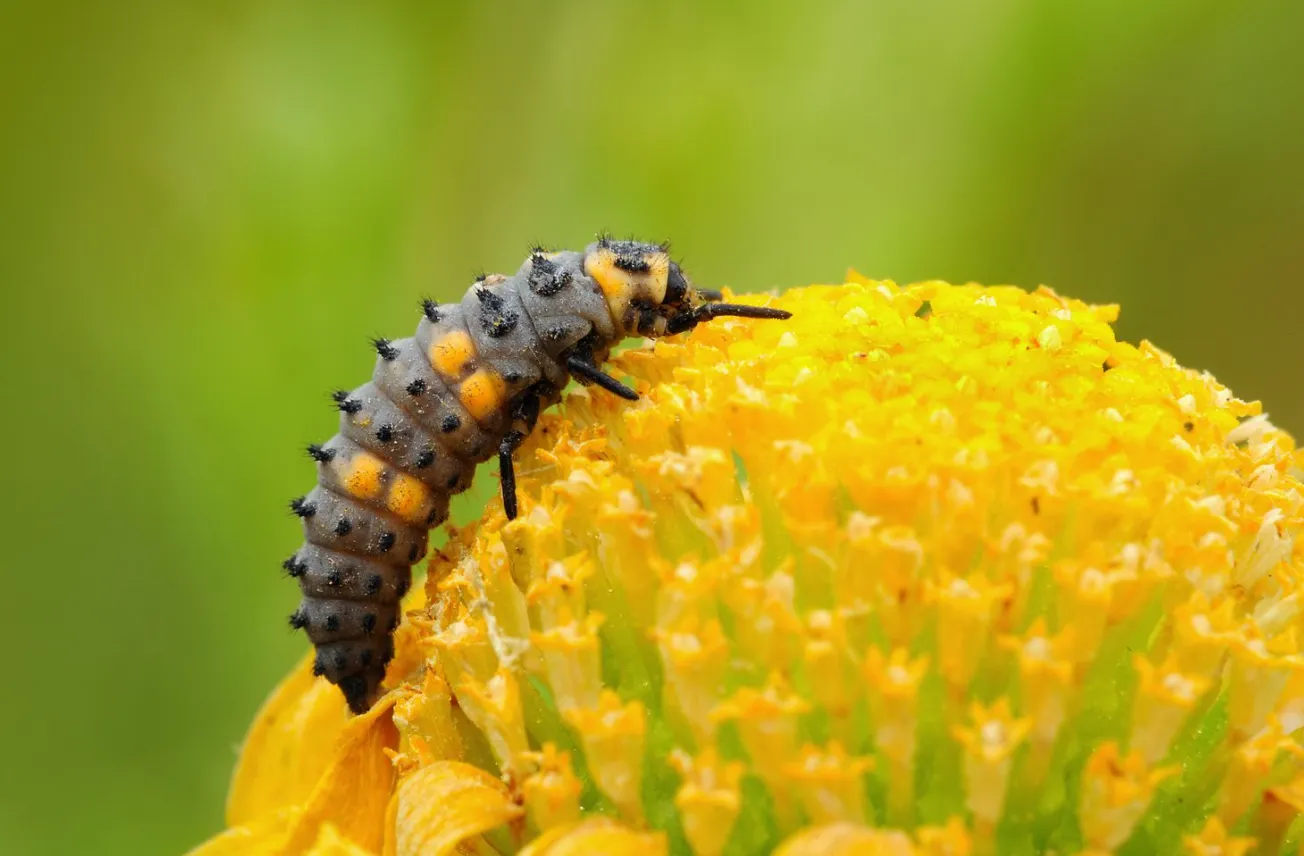
The larvae look nothing like adults. They are elongated, dark, and spiky, often mistaken for harmful insects. However, they are highly beneficial and consume large numbers of aphids.
Ladybeetle Bite
While rare, some species can bite humans. These bites are mild and usually harmless, causing only slight irritation.
Japanese Ladybeetle
The Japanese lady beetle (Harmonia axyridis) is an invasive species. It can outcompete native species and sometimes become a nuisance in homes.
Ladybeetle Habitat
Ladybeetles thrive in gardens, farms, and natural vegetation where food sources like aphids are abundant.
Understanding these concepts helps differentiate between species and recognize their ecological value.
Their Main Food And Its Collection Process
Ladybeetles are primarily carnivorous and are known for their appetite for pests.
Main Food Sources
- Aphids (primary food source)
- Mites
- Scale insects
- Mealybugs
- Small insect eggs
Food Collection Process
- Active Hunting: Ladybeetles search plant surfaces for prey.
- Chemical Detection: They use scent cues to locate aphid colonies.
- Rapid Consumption: Both larvae and adults consume dozens of aphids daily.
- Efficient Feeding: Their mandibles are adapted to crush and consume soft-bodied insects.
Some species may also consume pollen and nectar when prey is scarce. This flexibility allows them to survive during food shortages.
Their feeding behavior makes them valuable natural pest controllers in agriculture and gardening.
Their Life Cycle And Ability To Survive In Nature
Egg Stage
Female ladybeetles lay clusters of yellow eggs on the underside of leaves. These locations are chosen carefully to ensure immediate access to food after hatching.
Larval Stage
The larvae emerge within a few days and begin feeding immediately. This stage is crucial for growth and development.
Pupal Stage
After feeding extensively, larvae attach themselves to a surface and enter the pupal stage. During this time, their body transforms.
Adult Stage
Fully developed adults emerge with soft bodies that harden over time. They begin feeding, mating, and continuing the cycle.
Survival Strategies
- Bright coloration to deter predators
- Ability to fly and migrate
- Seasonal hibernation during winter
- Rapid reproduction in favorable conditions
These adaptations help ladybeetles thrive in diverse environments.
Their Reproductive Process And Raising Their Children
Ladybeetle reproduction is efficient and ensures the survival of the species.
Key Points
- Mating Season: Occurs during spring and early summer
- Egg Laying: Females lay hundreds of eggs near food sources
- Parental Strategy: No direct care after egg-laying
- High Survival Rate: A large number of eggs increases the chances of survival
Once the eggs hatch, larvae are independent and begin feeding immediately. This independence reduces the need for parental care.
Ladybeetles rely on quantity rather than protection, ensuring that at least some offspring survive environmental challenges.
Importance Of Them In This Ecosystem
Natural Pest Control
Ladybeetles help control populations of harmful insects, reducing the need for chemical pesticides.
Supporting Agriculture
Farmers benefit from their presence as they protect crops from damage.
Biodiversity Balance
They maintain ecological balance by regulating insect populations.
Indicator Species
Their presence indicates a healthy ecosystem with minimal pollution.
Ladybeetles are essential for sustainable farming and environmental health.
What To Do To Protect Them In Nature And Save The System For The Future
- Avoid using chemical pesticides in gardens
- Plant native flowers to attract ladybeetles
- Provide shelter, such as leaf litter or small plants
- Reduce pollution and habitat destruction
- Encourage organic farming practices
- Educate others about their benefits
- Avoid harming larvae, as they are beneficial
- Support biodiversity-friendly environments
These actions help ensure the survival of ladybeetles and a balanced ecosystem.
Frequently Asked Questions (FAQs)
1. What is the difference between ladybeetle and ladybug?
They are the same insect; “ladybeetle” is the correct scientific term.
2. How long does each stage last in the lady beetle life cycle?
Eggs last 2–5 days, larvae 2–3 weeks, pupae about a week, and adults live several months.
3. What do ladybeetle larvae eat?
They mainly eat aphids and other soft-bodied insects.
4. Can ladybeetles bite humans?
Yes, but bites are rare and harmless.
5. Where do ladybeetles lay eggs?
On the underside of leaves near food sources.
6. Are all ladybeetles beneficial?
Most are, but some invasive species can cause problems.
7. What is the role of Japanese ladybeetles?
They are invasive and may compete with native species.
8. How can I attract ladybeetles to my garden?
Plant flowers, avoid pesticides, and maintain a natural habitat.
Conclusion
The lady beetle life cycle is a remarkable example of nature’s efficiency and adaptability. From tiny eggs to active larvae, transforming pupae, and vibrant adults, each stage plays a vital role in their survival and ecological function.
Ladybeetles are more than just colorful insects; they are essential allies in agriculture and natural pest control. Their ability to consume harmful insects makes them invaluable to farmers and gardeners alike.
By understanding their life cycle, feeding habits, and ecological importance, we can take meaningful steps to protect them. Small actions, such as reducing pesticide use and preserving habitats, can make a significant difference.
Protecting ladybeetles ultimately supports biodiversity, healthier ecosystems, and sustainable agriculture for future generations.
Also Read: lady beetle life cycle