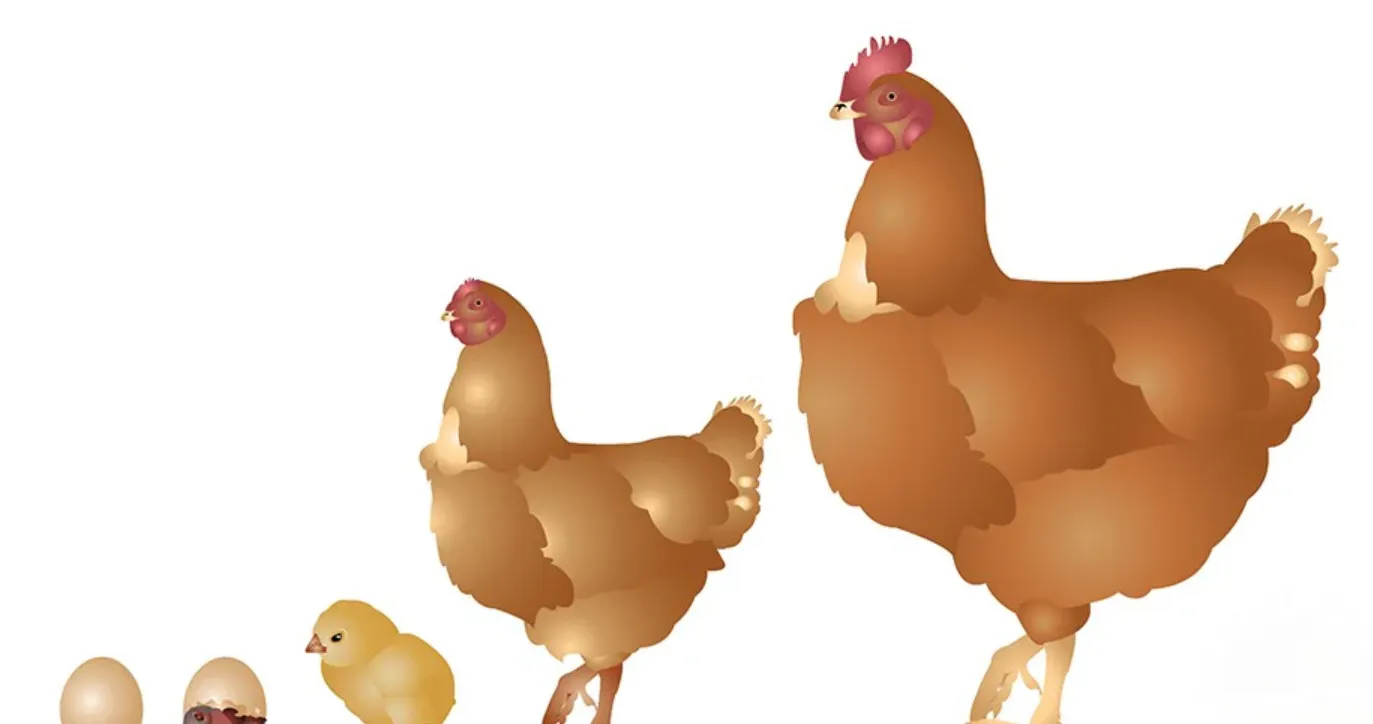
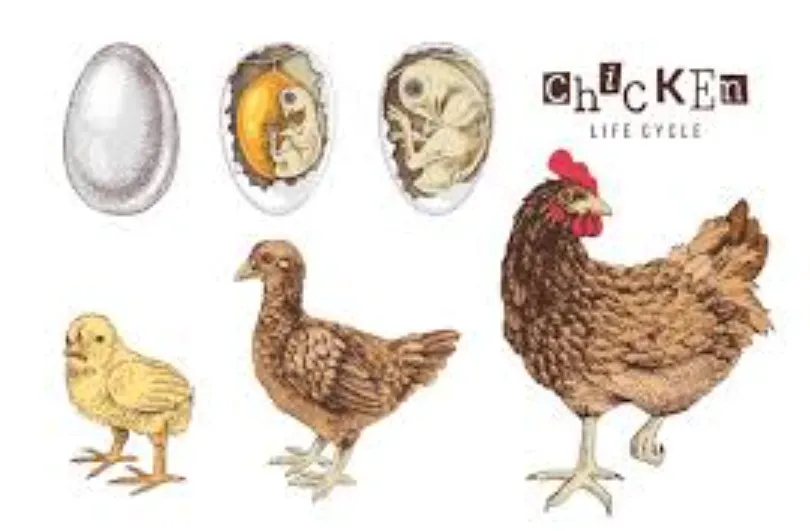
The life cycle of the chicken is one of the most familiar and useful examples of animal growth. A chicken begins life as a fertilized egg, develops into an embryo, hatches as a chick, grows into a young bird, and finally becomes an adult hen or rooster. This natural process is easy to observe, which is why it is often taught in schools, on farms, and in biology lessons.
A chicken is a domesticated bird that belongs to the poultry group. Its scientific name is commonly written as Gallus gallus domesticus. Chickens are raised around the world for eggs, meat, pest control, manure, education, and companionship. They are social birds that live in flocks and communicate through different sounds, body movements, and behavior.
The complete chicken life cycle is closely linked to reproduction, temperature, food, safety, and care. Under normal conditions, a fertilized chicken egg takes about 21 days to hatch. After hatching, the chick needs warmth, clean water, proper feed, and protection. Within a few months, it grows feathers, gains strength, and becomes sexually mature.
Understanding the life cycle of the chicken helps farmers, students, pet owners, and nature lovers learn how chickens grow, reproduce, survive, and support human life.
Quick Answers: Most Common Questions
Q: How many stages are in the life cycle of the chicken?
A: The chicken life cycle usually has four main stages: egg, chick, young chicken, and adult chicken.
Q: How long does a chicken egg take to hatch?
A: A fertilized chicken egg normally takes about 21 days to hatch if the temperature, humidity, and egg turning are correct.
Q: How long can a chicken live?
A: A healthy backyard chicken can often live around 5 to 10 years, though lifespan depends on breed, care, predators, disease, and living conditions.
Important Things That You Need To Know
When learning about the life cycle of the chicken, it is important to understand that a chicken is not just a farm bird. It is a living animal with clear growth stages, social behavior, survival needs, and ecological value. The word chicken can refer to the species in general, but different names are used at different ages and sexes.
A baby chicken is called a chick. A young female chicken before laying eggs is called a pullet, while a young male is called a cockerel. An adult female is called a hen, and an adult male is called a rooster or cock. These names are useful because each stage needs different food, space, protection, and care.
A chicken egg can be fertile or infertile. A fertile egg can develop into a chick only if it has been fertilized by a rooster and kept under the right incubation conditions. An infertile egg will not become a chick.
Proper chicken feed is also important throughout the life cycle. Chicks need starter feed with a high protein content. Growing birds need grower feed, and laying hens need layer feed with enough calcium for strong eggshells.
An adult chicken is social and usually prefers living in a flock. Chickens scratch the ground, search for seeds and insects, dust bathe, communicate, and follow a social order. Knowing these basics helps people raise healthier birds and understand their natural behavior.
Quick Life Cycle Table
| Stage | Age / Time Period | Main Features |
| Egg Stage | About 21 days | The embryo develops inside the shell |
| Chick Stage | Hatch to 6–8 weeks | Needs warmth, feed, water, and protection |
| Young Chicken Stage | 6–8 weeks to 18–22 weeks | Feathers, muscles, bones, and adult traits develop |
| Adult Stage | Around 5 months onward | Hens may lay eggs; roosters become reproductive |
| Older Chicken Stage | After peak laying years | Egg production slows; the bird needs extra care |
The History of Their Scientific Naming, Evolution, and Origin
Scientific Name and Classification
The domestic chicken is usually known scientifically as Gallus gallus domesticus. It belongs to the bird order Galliformes, which includes ground-feeding birds such as pheasants, quails, turkeys, and junglefowl. The name connects modern chickens with their wild ancestor, the red junglefowl.
Evolutionary Background
The chicken’s evolutionary story goes back to wild birds that lived in forests and grasslands. These birds adapted to scratching the ground, eating seeds and insects, escaping predators, and nesting in hidden places. Over time, humans selected birds that were calmer, more productive, and better suited for egg and meat production.
Origin of Domestic Chickens
Most scientific evidence shows that domestic chickens mainly originated from the red junglefowl of Southeast Asia. However, modern chickens also show signs of mixing with other junglefowl species, especially in traits such as yellow skin. This means the modern chicken is the result of both natural evolution and human selection over many generations.
Their Reproductive Process, Giving Birth, And Rising Their Children
Mating and Fertilization
Chickens do not give birth like mammals. They reproduce by laying eggs. A rooster mates with a hen, and sperm can fertilize the yolk before the egg is fully formed. In hens, the egg develops inside the reproductive tract before being laid.
A hen can continue laying eggs even without a rooster, but those eggs will be infertile. Only fertilized eggs can develop into chicks.
Egg Formation and Laying
A hen’s body forms an egg step by step. The yolk is released first, then the egg white, membranes, shell, and protective coating are added. This process usually takes about one day. After laying, the egg needs warmth and proper conditions to develop into an embryo.
Incubation and Hatching
A broody hen naturally sits on fertile eggs to keep them warm. In farms, incubators are often used to control temperature and humidity. The embryo grows inside the shell for about 21 days. Near hatching time, the chick uses its egg tooth to break the shell.
Raising the Chicks
Mother hens protect chicks, call them to food, teach them to scratch the ground, and keep them warm. In artificial brooding, humans provide heat lamps or brooders, clean bedding, starter feed, fresh water, and a safe space. Chicks are delicate, so early care strongly affects survival and growth.
Stages of the Life Cycle of the Chicken
1. Egg Stage
The first stage of the life cycle of the chicken is the egg. A fertile egg contains a growing embryo, food from the yolk, and protection from the shell. During incubation, the embryo develops a heart, blood vessels, eyes, beak, legs, feathers, and internal organs.
The egg must be kept at a stable warm temperature. It also needs enough humidity and turning so the embryo does not stick to the shell membrane. If conditions are poor, the chick may become weak or fail to hatch.
2. Chick Stage
After hatching, the chick enters the second stage. A newly hatched chick is small, soft, and covered with down. It can walk, peep, drink, and peck soon after drying. However, it still needs warmth because it cannot control body temperature well.
During this stage, chicks grow quickly. They begin replacing soft down with real feathers. They need clean water, high-protein starter feed, safe bedding, and protection from cold, disease, and predators.
3. Young Chicken Stage
The young chicken stage includes pullets and cockerels. This is the teenage period of the chicken’s life cycle. Feathers become stronger, bones and muscles develop, and male and female traits become clearer.
Pullets prepare for egg laying, while cockerels may begin crowing and showing rooster behavior. Good nutrition is important because weak growth during this stage can affect future health and egg production.
4. Adult Chicken Stage
The adult stage begins when the chicken becomes sexually mature. Hens can lay eggs, and roosters can fertilize eggs. Adult chickens spend much of their time scratching, feeding, dust bathing, communicating, and resting.
Healthy adult hens may lay eggs for several years, but egg production naturally decreases with age. Roosters protect the flock, watch for danger, and help maintain the breeding cycle.
Their Main Diet, Food Sources, And Collection Process Explained
Chickens are omnivores, meaning they eat both plant-based and animal-based foods. Their natural diet includes seeds, grains, grasses, leaves, fruits, insects, worms, larvae, and small invertebrates. When allowed to forage, they scratch the soil with their feet and peck at anything edible.
Main Food Sources
- Grains and seeds: Corn, wheat, rice, barley, millet, and other grains provide energy.
- Insects and worms: These give natural protein and support healthy growth.
- Green plants: Grass, leafy vegetables, weeds, and garden greens add vitamins and fiber.
- Commercial feed: Starter, grower, and layer feeds are designed for different life stages.
- Calcium sources: Laying hens often need oyster shell or calcium-rich feed for strong eggshells.
- Clean water: Fresh water is essential every day for digestion, temperature control, and egg production.
Food Collection Process
In nature or in free-range systems, chickens collect food by scratching the ground, turning over leaves, pecking at the soil, and searching under plants. This behavior helps them find insects, seeds, and small food particles.
In farms and backyards, humans provide balanced feed to make sure chickens get enough protein, vitamins, minerals, and energy. Foraging is useful, but it usually cannot provide complete nutrition on its own. A healthy chicken diet should match the bird’s age, purpose, and environment.
How Long Does A Chicken Live
The lifespan of a chicken depends on breed, care, environment, disease control, predators, and whether it is raised for eggs, meat, breeding, or companionship. In good backyard conditions, many chickens can live several years, and some may live much longer.
- Average backyard lifespan: Many backyard chickens live 5 to 10 years when provided with good food, clean water, shelter, and protection.
- Commercial laying hens: Commercial layers are often kept for a shorter time because egg production declines after the first few years. Their biological lifespan can be longer, but production systems usually replace them earlier.
- Broiler chickens: Meat chickens are bred for fast growth. They are usually raised for a short production period, so their practical lifespan is much shorter than that of heritage or backyard chickens.
- Heritage breeds: Traditional or slower-growing breeds often live longer than highly specialized production breeds. They may be hardier and better adapted to outdoor conditions.
- Predator risk: Foxes, dogs, snakes, hawks, raccoons, and other predators can reduce lifespan, especially in free-range systems.
- Disease and parasites: Respiratory disease, mites, lice, worms, and bacterial infections can shorten a chicken’s life if not managed.
- Nutrition: Poor nutrition weakens the immune system, reduces egg production, affects feather quality, and can lead to early death.
- Housing quality: A dry, clean, well-ventilated, predator-safe coop helps chickens live longer, healthier lives.
- Stress level: Overcrowding, extreme heat, cold, bullying, and lack of space can reduce lifespan.
- Veterinary care: Vaccination, parasite control, quarantine for sick birds, and regular observation improve survival.
In simple words, a chicken can live a short life under poor conditions or a long, healthy life under careful management. Good care makes a major difference.
Chicken Lifespan in the Wild vs. in Captivity
Lifespan in the Wild
Wild ancestors of chickens, such as red junglefowl, face many natural dangers. They must search for food, avoid predators, survive storms, compete for nesting places, and protect their chicks. Because of these challenges, wild birds often have a shorter average lifespan than well-protected domestic chickens.
In the wild, eggs and chicks are especially vulnerable. Snakes, mammals, birds of prey, and environmental stress can reduce survival. Only the strongest and best-adapted birds usually reach adulthood.
Lifespan in Captivity
In captivity, chickens can live longer if they are properly cared for. Backyard chickens may receive balanced feed, clean water, safe housing, medical care, and protection from predators. These conditions help them survive beyond the risky early stages.
However, captivity does not always mean a better life. Overcrowded, dirty, stressful, or poorly managed systems can reduce lifespan and welfare. A healthy captive environment should allow chickens to move, scratch, dust bathe, perch, socialize, and rest safely.
Main Difference
The biggest difference is risk. Wild chickens face natural survival pressure, while captive chickens depend on human care. Good care can extend life; poor care can shorten it.
Importance of Chicken In This Ecosystem
Natural Pest Control
Chickens help control insects, larvae, worms, beetles, ticks, and other small pests by eating them during foraging. In gardens and small farms, this natural feeding behavior can reduce pest pressure without relying fully on chemical control.
Soil Mixing and Nutrient Cycling
When chickens scratch the soil, they help turn organic matter and loosen the surface. Their manure adds nutrients such as nitrogen and phosphorus. When managed properly, chicken manure can support soil fertility and plant growth.
Food Chain Connection
Chickens are part of the food chain. Eggs, chicks, and adult birds can become food for predators in natural or semi-natural settings. This connects them with animals such as foxes, snakes, wild cats, and birds of prey.
Human Food and Livelihood
Chickens are extremely important for human nutrition and rural livelihoods. They provide eggs, meat, income, and manure. In many villages, small chicken flocks support family food security and help households earn extra money.
Educational Value
The life cycle of the chicken teaches children and students about reproduction, embryonic development, animal care, food systems, and responsibility. It is one of the easiest life cycles to observe directly.
What To Do To Protect Them In Nature And Save The System For The Future
1. Protect Natural Habitats
- Preserve forests, grasslands, and mixed farming landscapes where wild junglefowl and other birds can survive.
- Avoid destroying nesting areas and natural food sources.
- Support tree planting and habitat restoration around farms and villages.
2. Raise Chickens Responsibly
- Provide clean housing, enough space, fresh water, and balanced feed.
- Avoid overcrowding because it increases stress and disease.
- Let chickens express natural behaviors such as scratching, perching, dust bathing, and foraging.
3. Control Disease Safely
- Keep coops clean and dry.
- Quarantine new or sick birds before mixing them with the flock.
- Use veterinary advice for vaccination, parasite control, and treatment.
- Do not release sick domestic chickens into wild areas.
4. Reduce Chemical Pollution
- Limit the use of harmful pesticides in gardens and on farms where chickens forage.
- Keep feed and water away from chemicals, mold, and waste.
- Use chicken manure carefully so it improves the soil instead of polluting the water.
5. Support Sustainable Farming
- Choose ethical poultry products when possible.
- Support small farmers who use responsible animal-care practices.
- Protect heritage chicken breeds because they carry valuable genetic diversity for the future.
Fun & Interesting Facts About Chicken
- Chickens can recognize flock members and form social relationships.
- A group of chickens has a social ranking system called the pecking order.
- A mother hen communicates with her chicks even before they hatch.
- Chicks can peep from inside the egg near hatching time.
- Chickens use dust bathing to clean feathers and reduce parasites.
- Roosters often watch for danger and warn the flock with alarm calls.
- Hens do not need roosters to lay eggs, but they need roosters to produce fertile eggs.
- Chickens can dream because they experience sleep patterns similar to other birds.
- A hen may lay eggs of different sizes, colors, and shapes depending on breed and age.
- Chickens naturally scratch the ground to search for insects, seeds, and other small particles of food.
- Some chickens are kept as pets because they can be friendly and recognize familiar people.
- The chicken life cycle is widely used in classrooms because it clearly shows growth from egg to adult.
Frequently Asked Questions (FAQs)
Q: What is the life cycle of the chicken?
A: The life cycle of the chicken is the growth process from egg to chick, young chicken, and adult chicken. It begins with a fertilized egg and continues through hatching, growth, maturity, reproduction, and aging.
Q: How long does the chicken’s life cycle take?
A: A chicken egg hatches in about 21 days. The chick then grows into a young chicken within several weeks and may reach sexual maturity around 18 to 22 weeks, depending on breed, nutrition, and environment.
Q: What are the four main stages of a chicken’s life?
A: The four main stages are egg, chick, young chicken, and adult chicken. Some people also include an older or senior stage when egg production declines.
Q: Can a chicken egg hatch without a rooster?
A: No. A hen can lay eggs without a rooster, but those eggs are not fertile. A rooster is needed to fertilize the egg before it can develop into a chick.
Q: What do chickens eat during their life cycle?
A: Chickens eat grains, seeds, insects, worms, greens, fruits, and balanced poultry feed. Chicks need starter feed, growing birds need grower feed, and laying hens need layer feed with extra calcium.
Final Word
The life cycle of the chicken is a complete journey of growth, survival, reproduction, and usefulness. From a small fertilized egg to a lively chick and then a mature hen or rooster, each stage has a special purpose. Chickens are not only important farm animals; they also support ecosystems through pest control, manure production, soil activity, and food-chain balance.
For humans, chickens provide eggs, meat, income, education, and companionship. Their life cycle teaches valuable lessons about animal care, nature, farming, and responsibility. To protect chickens and the systems that support them, people should focus on clean housing, balanced nutrition, disease prevention, ethical care, and sustainable farming.
Understanding the life cycle of the chicken helps us better appreciate this common bird. A healthy chicken’s life begins with proper care, safe surroundings, and a better connection between humans, animals, and nature.
Also Read: life cycle of sea turtle