The tomato bug life cycle usually refers to that of the tomato hornworm, a large green caterpillar that attacks tomato plants and other nightshade crops. Scientifically, the tomato hornworm is known as Manduca quinquemaculata, and its adult form is the five-spotted hawkmoth.
Gardeners often call it a tomato bug, tomato bug caterpillar, or tomato bug worm because the damaging stage is not the adult moth but the hungry larva. This caterpillar can blend perfectly with tomato leaves, making it difficult to see until the leaves are already missing.
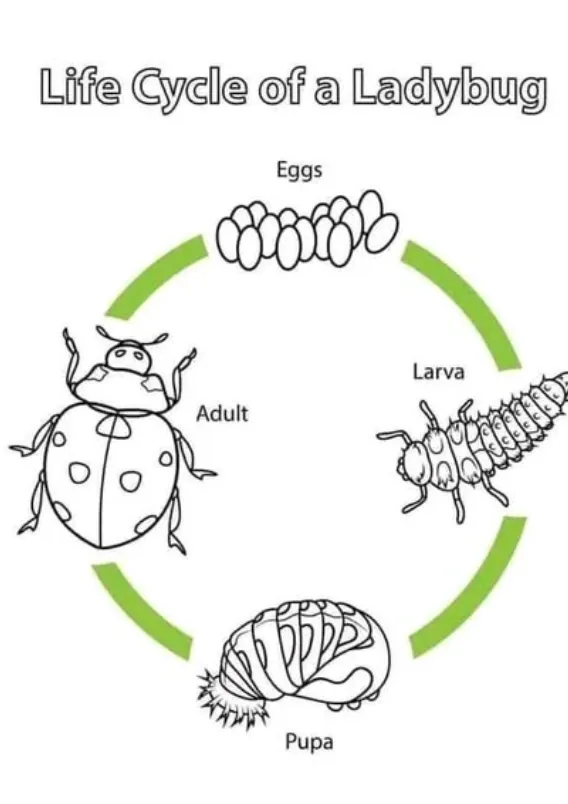
A full tomato bug life cycle includes four main stages: egg, larva, pupa, and adult moth. The caterpillar stage causes the most plant damage because it feeds heavily on leaves, stems, flowers, and sometimes fruit. However, the adult moth also has ecological value because it feeds on nectar and may help with pollination.
Understanding the tomato bug life cycle helps gardeners control damage at the right time. The best control window is the early larval stage, before the caterpillar grows large and consumes large parts of the plant.
Quick Answers: Most Common Questions
Q: What is a tomato bug?
A: A tomato bug is commonly another name for the tomato hornworm, a large green caterpillar that feeds on tomato, pepper, potato, eggplant, and related plants.
Q: What does a tomato bug look like?
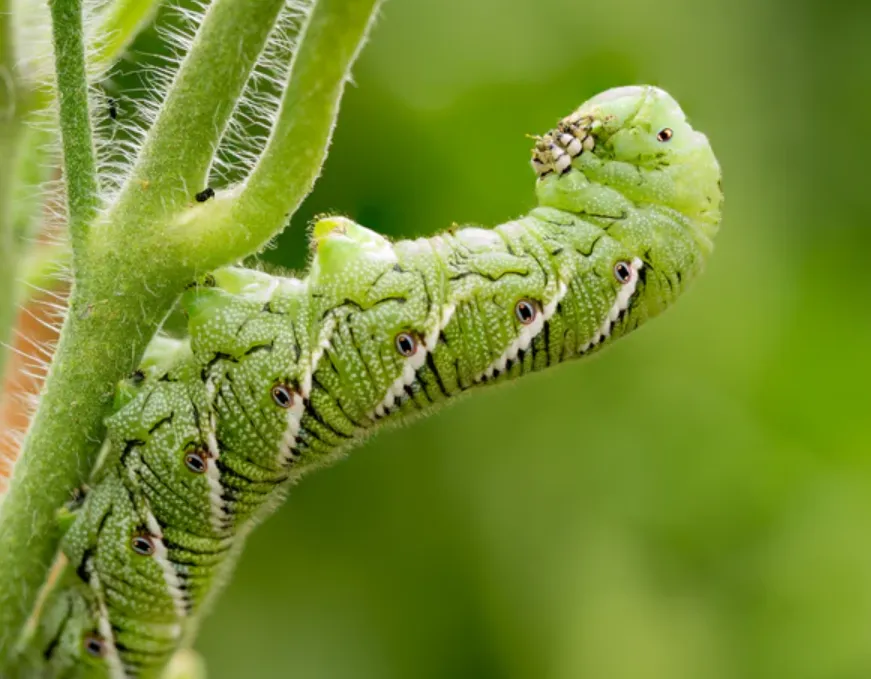
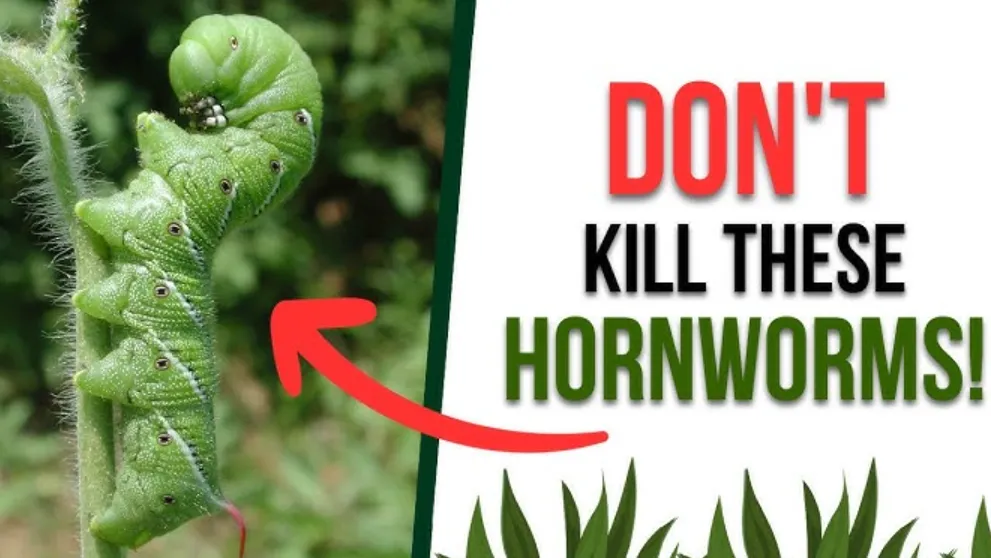
A: A tomato bug usually looks like a thick green caterpillar with white V-shaped markings along the body and a dark, horn-like tail at the rear end.
Q: Is a tomato bug harmful to humans?
A: No, the tomato hornworm is not poisonous or dangerous to humans. It is harmful mainly to tomato plants because it eats leaves and fruits.
Quick Life Cycle Table
| Stage | What Happens | Typical Time |
| Egg | Adult moth lays small greenish eggs on host leaves | About 5–7 days |
| Larva | The green caterpillar feeds heavily on tomato leaves and fruit | About 3–4 weeks |
| Pupa | Mature larvae drop into the soil and transform underground | Around 2–3 weeks, or longer if overwintering |
| Adult Moth | Five-spotted hawkmoth emerges, mates, and lays eggs | Around 2–3 weeks |
The History Of Their Scientific Naming, Evolution, and Origin
Scientific Name And Classification
The tomato bug, scientifically known as Manduca quinquemaculata, is a pest of tomato plants. It belongs to the family Sphingidae, a group of strong-flying moths commonly called sphinx moths or hawkmoths.
The name quinquemaculata refers to the five spotted markings seen on the adult moth’s abdomen. That is why the adult is commonly called the five-spotted hawkmoth.
Common Name History
The name “tomato hornworm” comes from two distinct features. First, the caterpillar often feeds on tomato plants. Second, it has a horn-like projection at the rear of its body.
Although the horn looks dangerous, it is harmless. The name became popular among gardeners because the caterpillar is most noticeable when it damages tomato crops.
Evolution And Natural Origin
The tomato hornworm is strongly connected with nightshade plants, especially wild and cultivated members of the Solanaceae family. These include tomato, tobacco, pepper, eggplant, potato, and some wild weeds.
Its green body color, strong appetite, and leaf-camouflage ability are evolutionary advantages. These traits help it survive on host plants while avoiding birds, wasps, and other predators.
Their Reproductive Process, Giving Birth, And Rising Their Children
Mating Of Adult Moths
The adult stage of the tomato bug is a large moth, not a caterpillar. After emerging from the soil, adult five-spotted hawkmoths are mostly active in the evening and at night.
Male and female moths mate after emergence. The female then searches for suitable host plants where her young can find food immediately after hatching.
Egg Laying On Host Plants
Female moths lay eggs singly on tomato leaves and other nightshade plants. The eggs are usually small, round, and greenish to yellow-green, making them hard to see.
This single-egg laying strategy reduces crowding. It also gives each newly hatched caterpillar a better chance of finding enough food.
No Parental Care After Egg Laying
Tomato bugs do not raise their young like birds or mammals. Once the female moth lays eggs, there is no direct parental care.
The baby caterpillar must survive on its own. It begins feeding soon after hatching and grows rapidly through several molts.
Growth Through Molting
As the caterpillar eats, its body becomes too large for its outer skin. It molts several times, passing through growth stages called instars.
By the final larval stage, the tomato bug caterpillar becomes large, thick, and highly destructive to plants. After that, it leaves the plant, burrows into the soil, and becomes a pupa.
Stages of the Tomato Bug Life Cycle
Stage 1: Egg Stage
The first stage of the tomato bug life cycle begins when the adult female moth lays eggs on host plants. These eggs are usually placed on leaf surfaces where the young caterpillars can begin feeding right after hatching.
Eggs are tiny and can be difficult to detect. Gardeners often miss this stage because the eggs blend with the natural green color of tomato leaves.
Stage 2: Larva Or Caterpillar Stage
The larval stage is the most visible and damaging. This is the stage people usually mean when they say ‘tomato bug caterpillar‘ or ‘tomato bug worm‘.
The caterpillar feeds on leaves first, often starting near the upper parts of the plant. As it grows bigger, it may also chew stems, blossoms, and green or ripening tomatoes.
Stage 3: Pupa Stage
When the larva is fully grown, it drops from the plant and burrows into the soil. There, it forms a pupa and begins the transformation into an adult moth.
The pupa is usually brown and may remain underground for a few weeks. In colder seasons, it can stay in the soil through winter and emerge in the next warm season.
Stage 4: Adult Moth Stage
The final stage is the adult five-spotted hawkmoth. This moth is large, strong, and often active at dusk or night.
Adults feed on flower nectar using long mouthparts. After mating, females lay eggs, and the tomato bug life cycle begins again.
Important Things That You Need To Know
Many gardeners search for tomato bug, tomato bug caterpillar, tomato bug spray, tomato bug worm, and what does a tomato bug look like because this insect is easy to overlook until damage becomes serious.
The most important thing to know is that the “bug” stage damaging your tomato plant is actually a caterpillar. It is the larva of a moth, not a beetle or true bug. This matters because the best control method depends on the life stage.
A small tomato bug caterpillar is easier to control than a large mature one. Early detection can save a tomato plant from heavy defoliation. Look for missing leaves, chewed stems, black or dark green droppings, and damaged fruit.
When people ask what a tomato bug looks like, the answer is usually a large green caterpillar with white V-shaped markings and a dark horn at the back. It can be 3 to 4 inches long when mature.
For control, a tomato bug spray should not be the first choice unless the infestation is serious. Hand-picking, regularly checking leaves, encouraging parasitic wasps, and removing weeds are safer first steps.
The tomato bug worm may look harmful, but it is part of the food web. The goal should be balanced control, not careless destruction of every insect in the garden.
Their Main Diet, Food Sources, And Collection Process Explained
Main Diet
The main diet of the tomato bug caterpillar is plant tissue from the Solanaceae family. Its favorite food sources include tomato leaves, but it may also feed on pepper, potato, eggplant, tobacco, and related weeds.
Young caterpillars usually begin by eating soft leaf tissue. Older caterpillars can eat larger leaves, stems, flowers, and even fruits.
Food Sources
Common food sources include:
- Tomato leaves, especially fresh upper leaves
- Tomato fruits, mainly when larvae are older, or when food is limited
- Pepper plants
- Eggplant leaves
- Potato foliage
- Nightshade weeds
- Tobacco plants
Adult moths do not chew tomato leaves. Instead, they feed on flower nectar.
Collection Process
The tomato bug does not collect and store food like ants or bees. It feeds directly from the living plant.
The caterpillar uses chewing mouthparts to cut and consume leaf tissue. Because it eats constantly during the larval stage, it can remove large amounts of foliage in a short time.
Gardeners can find them by looking for dark droppings, missing leaves, or bare stems. The caterpillar is usually nearby, often hiding along the underside of stems or leaves.
How Long Does A Tomato Bug Live
The lifespan of a tomato bug depends on temperature, season, food supply, predators, and whether the pupa overwinters in the soil. In warm growing conditions, the active life cycle may be completed in several weeks. In cooler regions, the pupal stage can extend through winter.
Key lifespan points include:
- Egg stage: The egg stage usually lasts about one week. Warm weather can speed up hatching, while cooler weather can slow development.
- Larval stage: The caterpillar stage generally lasts around 3 to 4 weeks. This is the most destructive part of the life cycle because the larva must eat heavily to grow.
- Pupal stage: If conditions are warm and the season is still active, the pupa may produce an adult moth in a few weeks. If winter is approaching, the pupa may remain underground until the next season.
- Adult moth stage: Adult moths usually live for a few weeks. Their main jobs are feeding on nectar, mating, and laying eggs.
- One or two generations: In many areas, tomato hornworms have one or two generations per year. In warmer regions, there may be two generations in one growing season.
- Predator pressure: Many tomato bugs never complete their life cycles because birds, wasps, spiders, and other natural enemies attack eggs and larvae.
- Garden conditions: Dense weeds, untreated soil, and many host plants can improve survival. Regular monitoring and clean gardens usually reduce their numbers.
In simple terms, a tomato bug may live only a few weeks as a caterpillar, but its full life cycle can last much longer if the pupal stage remains underground during winter.
Tomato Bug Lifespan in the Wild vs. in Captivity
Lifespan In The Wild
In the wild or garden environment, the tomato bug faces many risks. Predators may eat eggs, insects may attack young caterpillars, and birds or gardeners may remove large larvae.
Wild tomato bugs also depend on weather and host plants. Heavy rain, drought, food shortages, and cold temperatures can reduce survival.
Because of these risks, many tomato hornworms do not reach the adult moth stage. Those that survive can complete the active cycle in warm months or overwinter as pupae in soil.
Lifespan In Captivity
In captivity, hornworms may survive better because predators are absent and food is controlled. They are sometimes raised for education, research, or as feeder insects, although many captive hornworms are related species rather than true tomato hornworms.
Captive lifespan depends on temperature, humidity, diet quality, and space. With proper conditions, larvae can grow quickly and pupate successfully.
However, captive keeping should be responsible. Garden-collected hornworms should not be moved into new natural areas because this can disturb the local ecological balance.
Importance of Tomato Bug In This Ecosystem
Food For Natural Predators
Although gardeners see the tomato bug as a pest, it has ecological value. Eggs and caterpillars provide food for birds, predatory insects, spiders, and small animals.
This makes the tomato hornworm part of a wider food chain. Removing every hornworm with strong chemicals can also harm beneficial insects that naturally help keep pest populations in balance.
Host For Parasitic Wasps
Tomato hornworms are important hosts for braconid wasps, especially when white cocoon-like structures appear on the caterpillar’s back.
These wasps help control hornworm populations naturally. A parasitized hornworm should usually be left alone because new wasps will emerge and help reduce future pests.
Adult Moths As Nectar Feeders
The adult five-spotted hawkmoth feeds on nectar. While feeding, it may move pollen between flowers.
This gives the adult stage a helpful role in pollination, especially for night-blooming or evening-visited flowers.
Natural Balance In Gardens
The tomato bug shows why gardens need balance. It can damage crops, but it also supports predators, parasitoids, and pollination systems.
What To Do To Protect Them In Nature And Save The System For The Future
Use Balanced Pest Control
- Do not spray chemicals immediately after seeing one caterpillar.
- Remove only the hornworms causing serious crop damage.
- Avoid broad-spectrum pesticides that kill beneficial insects.
Protect Beneficial Wasps
- Leave parasitized hornworms with white cocoons on their backs.
- These wasps naturally reduce future populations of tomato bugs.
- Avoid spraying when beneficial insects are active.
Grow A Diverse Garden
- Plant flowers that attract pollinators and natural enemies.
- Good choices include dill, basil, marigold, alyssum, and other nectar-rich plants.
- Diversity supports a stronger ecosystem.
Remove Weeds Carefully
- Remove unwanted nightshade weeds near tomato beds.
- These weeds can host eggs and larvae.
- Do not destroy all wild habitat; maintain balanced natural areas away from crops.
Manage Soil Responsibly
- Lightly turn the soil after harvest to expose overwintering pupae.
- Avoid unnecessary deep disturbance throughout the garden.
- Compost plant waste properly to reduce pest carryover.
Fun & Interesting Facts About Tomato Bug
- The tomato bug is not really a true bug. It is the caterpillar stage of a moth.
- The adult form is called the five-spotted hawkmoth.
- Tomato hornworms are excellent at camouflage because their green color matches the color of tomato leaves.
- Their rear “horn” looks scary but is harmless to humans.
- A large tomato hornworm can eat a surprising amount of foliage in a short time.
- The caterpillar often leaves dark green or black droppings below feeding sites.
- If you see white rice-like cocoons on its back, it has been parasitized by helpful wasps.
- Adult hawkmoths may look like hummingbirds when they hover near flowers.
- Tomato hornworms are closely related to tobacco hornworms, and the two are often confused.
- The tomato hornworm has V-shaped side markings, while the tobacco hornworm usually has diagonal stripes.
- The pupa forms underground and has a curved, handle-like structure that will become the future moth’s mouthparts.
- They are most damaging during the larval stage, not the adult moth stage.
Frequently Asked Questions (FAQs)
Q: What is the tomato bug’s life cycle?
A: The tomato bug life cycle has four stages: egg, larva, pupa, and adult moth. The larva is the green caterpillar that damages tomato plants.
Q: What does a tomato bug look like?
A: A tomato bug usually looks like a large green caterpillar with white V-shaped markings and a dark horn at the back of its body.
Q: What is the best tomato bug spray?
A: The best first control method is hand-picking. If spray is needed, gardeners often use safer options such as Bt, insecticidal soap, or spinosad on young larvae.
Q: Is a tomato bug worm dangerous?
A: No, a tomato bug worm is not dangerous to humans. It does not sting or poison people, but it can seriously damage tomato plants.
Q: How do I know if my tomato plant has tomato bugs?
A: Look for missing leaves, bare stems, chewed fruit, and dark droppings. The caterpillar is usually nearby, hiding along stems or under leaves.
Final Word
The tomato bug life cycle is important for every tomato grower to understand. This insect begins as a tiny egg, becomes a hungry green caterpillar, changes into a pupa underground, and finally emerges as a large hawkmoth. The caterpillar stage can quickly damage tomato plants, especially when it is large and hard to notice.
However, the tomato bug is not only a pest. It is also part of the natural food web, supports parasitic wasps, and becomes a nectar-feeding moth as an adult. The smartest garden strategy is not careless chemical use but careful observation, early removal, soil management, and protection of beneficial insects.
By learning how the tomato hornworm lives, feeds, and reproduces, gardeners can protect their crops while also supporting a healthier and more balanced ecosystem.
Also Read: life cycle of salmon