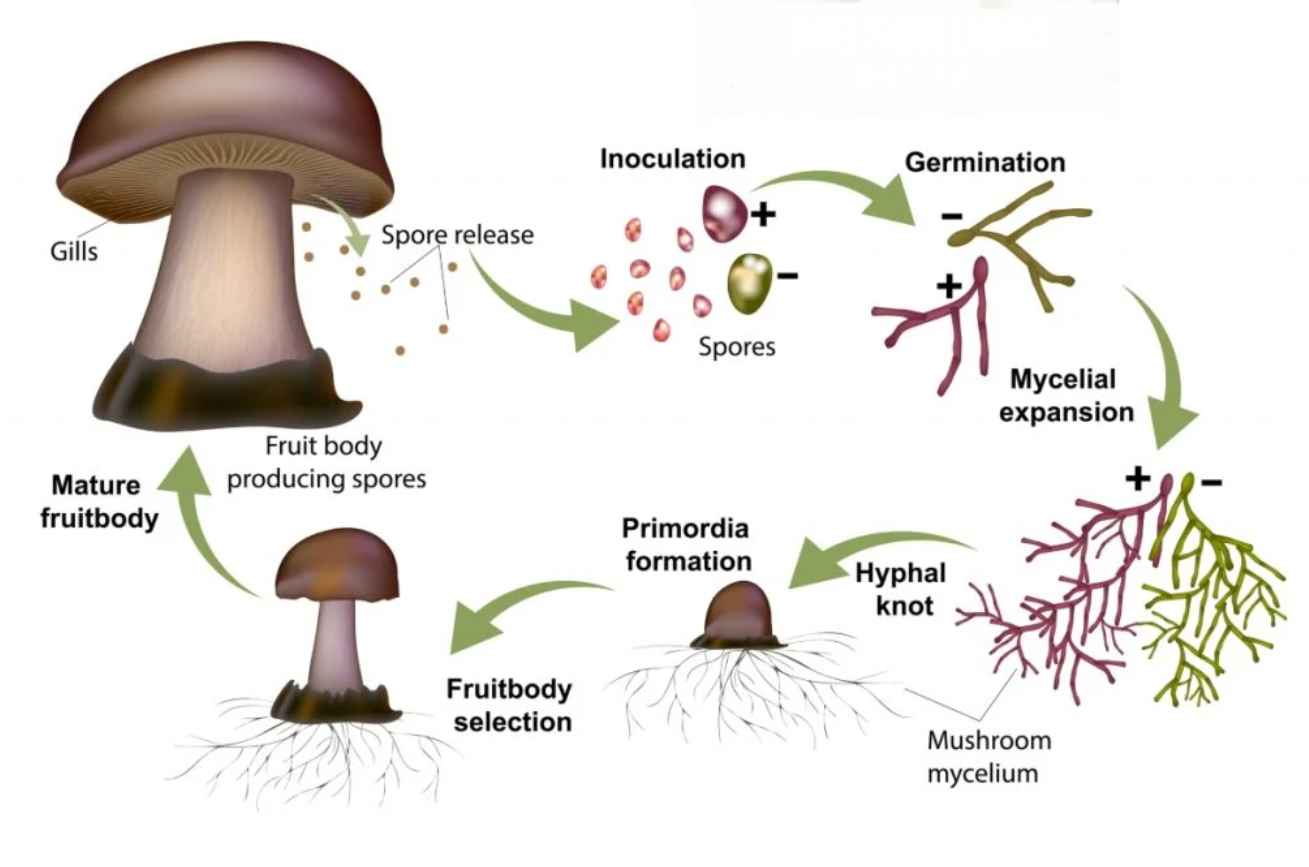
Fungi are an essential part of our ecosystem, playing a crucial role in nutrient cycling and the breakdown of organic matter. The life cycle of fungi is a complex and fascinating process that involves multiple stages, from spore formation to the establishment of mature fungal structures.
They are diverse organisms, with species ranging from microscopic molds to large mushrooms. Understanding their life cycle not only helps in preventing fungal infections but also sheds light on their ecological importance.
Q: What are the main stages of the fungal life cycle?
A: The fungal life cycle includes stages such as spore formation, germination, growth, reproduction, and spore dispersal.
Q: How do fungi reproduce?
A: Fungi reproduce both sexually and asexually. Asexual reproduction typically involves spore formation, while sexual reproduction involves the fusion of specialized reproductive cells.
Q: Why are fungi important in nature?
A: Fungi play a vital role in decomposing organic matter, recycling nutrients, and forming symbiotic relationships with plants and other organisms.
Quick Life Cycle Table
| Stage | Description |
| Spore Formation | Fungi release spores, which are reproductive cells. |
| Germination | Spores germinate when conditions are favorable, forming hyphae. |
| Growth | Hyphae grow and spread, forming mycelium, the fungal body. |
| Reproduction | Fungi reproduce through asexual or sexual means. |
| Spore Dispersal | Mature fungi release spores to restart the cycle. |
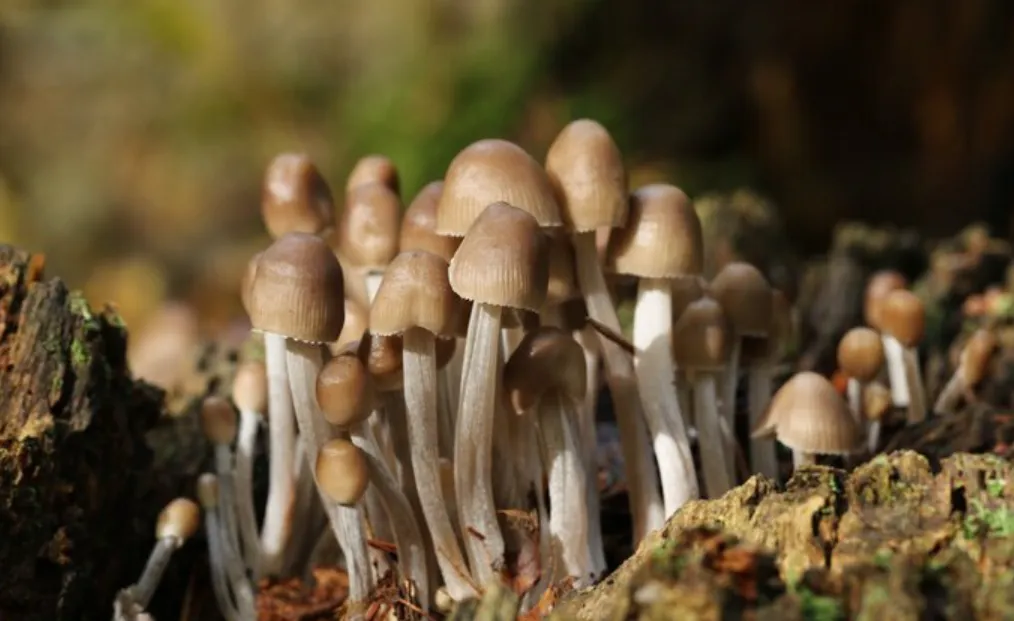
The History of Their Scientific Naming
Fungi have a rich history in scientific classification, with early research dating back to the 18th century. The term “fungus” is derived from the Latin word “fungus,” meaning mushroom. The field of mycology, the study of fungi, became more established in the 19th century, thanks to the work of scientists like Christian Hendrik Persoon and Elias Magnus Fries.
Over time, fungi were classified into their own kingdom, distinct from plants and animals. Today, the scientific naming of fungi follows binomial nomenclature, with genus and species names, such as Saccharomyces cerevisiae for baker’s yeast.
Their Evolution and Their Origin
Fungi belong to the kingdom Fungi and have evolved over millions of years from simple, single-celled organisms to the complex multicellular fungi we see today. The earliest ancestors of fungi are believed to have evolved around 500 million years ago. Fungi are more closely related to animals than plants, a fact confirmed by genetic research. The evolutionary journey of fungi has enabled them to develop a wide range of forms, from microscopic yeasts to large fruiting bodies such as mushrooms.
Fungi originated from a group of aquatic organisms that evolved the ability to live on land. This adaptation allowed fungi to spread and diversify in various terrestrial ecosystems, where they fill critical ecological niches. Their ability to decompose organic material and form symbiotic relationships with plants, such as mycorrhizae, has been essential to the survival of terrestrial life forms.
Their Main Food and Its Collection Process
Fungi are heterotrophic, meaning they obtain food from other organic material rather than producing it through photosynthesis. Their primary food source is organic matter, including dead plant and animal material. Fungi secrete enzymes to break down complex organic compounds into simpler molecules, which they then absorb. This process is essential for nutrient cycling in ecosystems.
Fungi can be saprophytic (feeding on dead matter), parasitic (feeding on living hosts), or symbiotic (living in mutualistic relationships). For example, mycorrhizal fungi form symbiotic relationships with plant roots, exchanging nutrients for carbohydrates. This relationship is vital for plant growth, especially in nutrient-poor soils.
Their Life Cycle and Ability to Survive in Nature
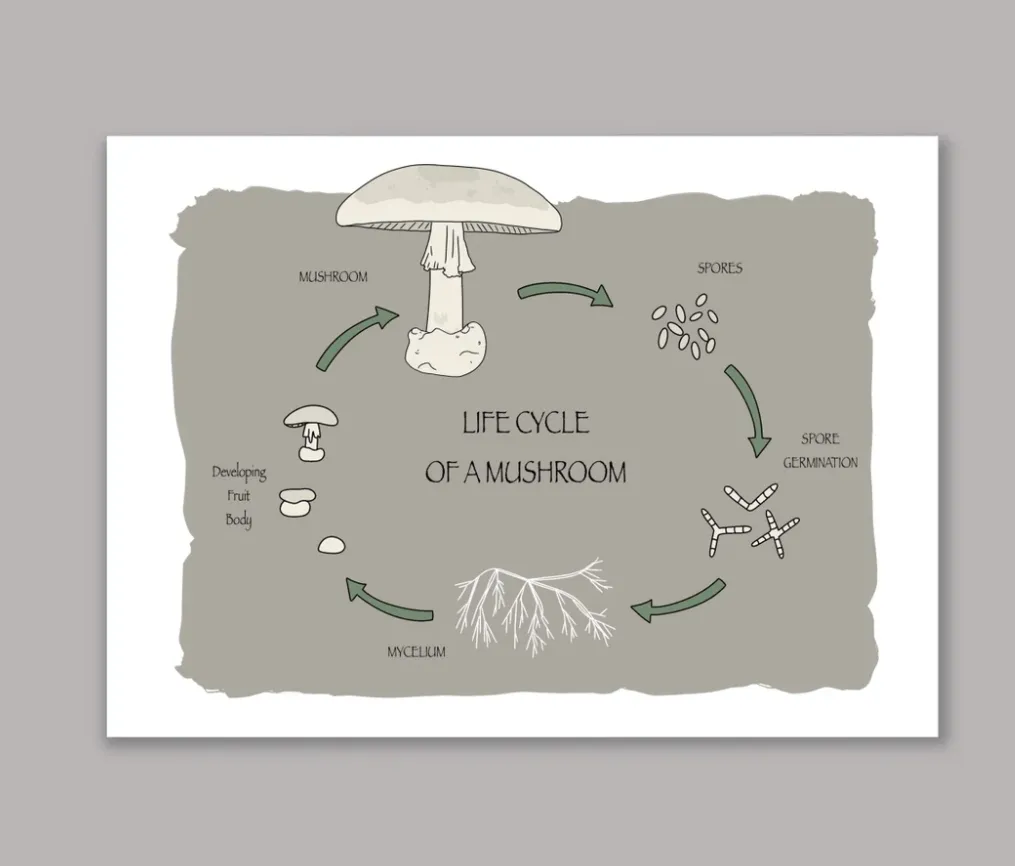
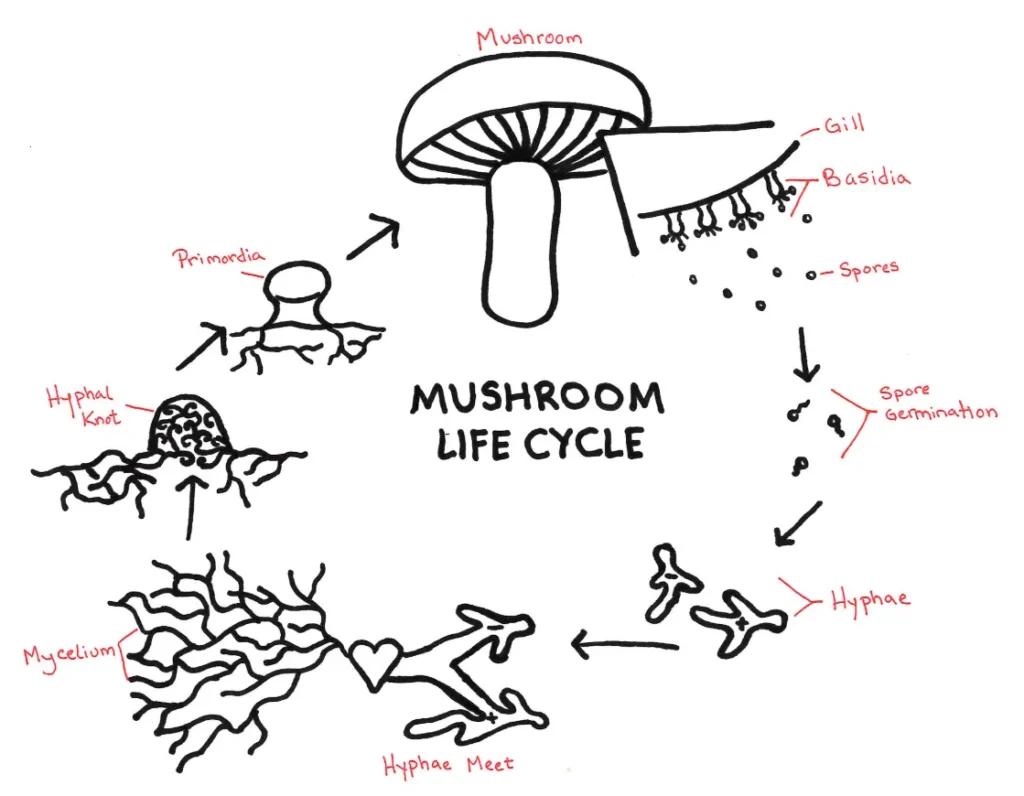
Fungi are incredibly resilient and adaptable, able to thrive in a variety of environments. Their life cycle begins with the formation of spores, which can survive harsh conditions such as extreme temperatures or low moisture. Once spores land in a suitable environment, they germinate, forming hyphae, which grow and spread to form a mycelial network.
This mycelium absorbs nutrients and continues to grow until it produces reproductive structures, such as mushrooms, that release new spores.
Fungi can survive in nature by adapting to different ecological niches. Some species can go dormant during unfavorable conditions and re-emerge when environmental conditions improve. This ability to endure and reproduce in challenging environments ensures the survival of fungi across diverse habitats.
Their Reproductive Process and Raising Their Children
Fungi can reproduce both sexually and asexually, depending on environmental conditions. Asexual reproduction typically involves the formation of conidia or spores that are dispersed by wind, water, or animals. When the spores land in a suitable environment, they germinate and begin to grow.
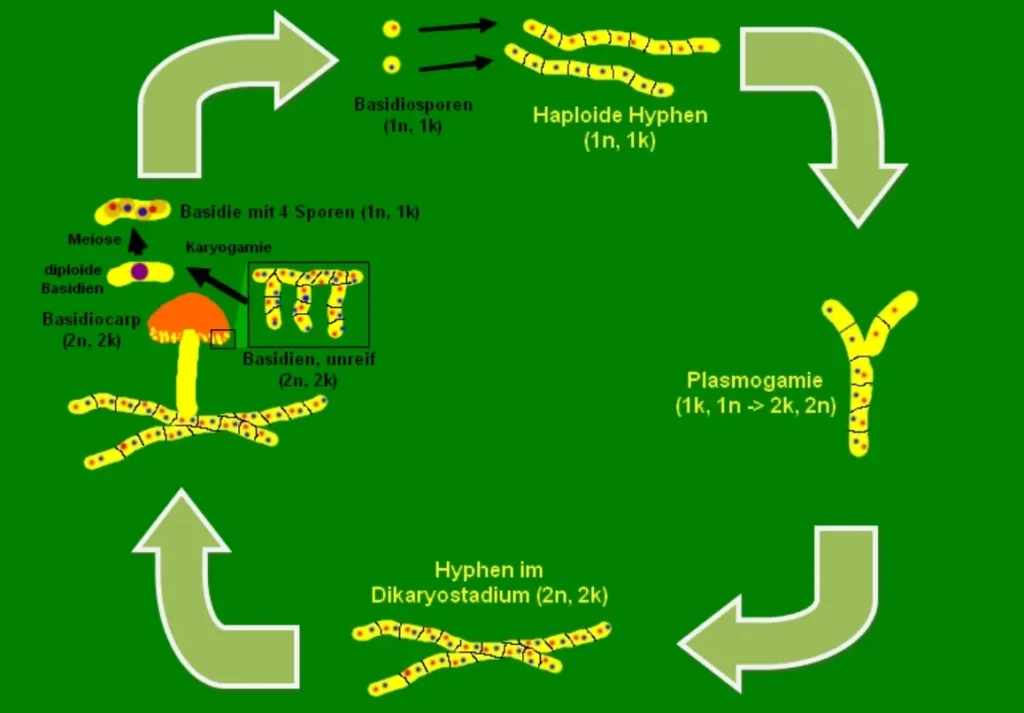
In sexual reproduction, fungi produce specialized structures, such as basidia or ascidians, where gametes (reproductive cells) meet and fuse. This process forms a new generation of spores that can spread and restart the cycle. In some species, fungi exhibit parental care by forming mycorrhizal relationships with plants, exchanging nutrients and ensuring mutual survival.
Importance of Fungi in the Ecosystem
Fungi play an indispensable role in maintaining ecological balance. Their main functions include:
Nutrient Recycling
Fungi decompose dead organic material, returning nutrients like nitrogen, phosphorus, and potassium to the soil, enriching it for plants.
Symbiotic Relationships
Many fungi form symbiotic relationships with plants, helping them absorb nutrients and enhancing plant health.
Medicinal and Industrial Use
Fungi are used in various industries, from food production (e.g., yeast in bread-making) to medicine (e.g., the production of antibiotics such as penicillin).
What to Do to Protect Fungi in Nature and Save the System for the Future
To protect fungi and ensure their role in ecosystems continues, we need to:
- Preserve natural habitats: Protect forests and wetlands, which are vital to fungal biodiversity.
- Reduce pollution: Limit the use of harmful pesticides and chemicals that can disrupt fungal communities.
- Promote fungal research: Encourage the study of fungi to understand their ecological roles and potential benefits.
- Educate the public: Raise awareness about the importance of fungi in ecosystems and their potential in medicine and agriculture.
Important Things That You Need to Know About Fungi
Fungi are fascinating organisms with diverse types of fungal infections that can affect humans, animals, and plants. These infections, such as fungal acne, fungal rash, and fungal ear infections, can be caused by various fungal species. Knowing the signs and symptoms of these infections is essential for early diagnosis and treatment.
Moreover, fungi have a complex life cycle that includes spore formation, germination, and growth, and they can survive in diverse environments thanks to their resilient reproductive strategies.
Key points to remember include:
- Fungi play a critical role in nutrient cycling, breaking down organic matter.
- Fungal infections are common and can affect different parts of the body, often requiring treatment.
- Fungi reproduce through spores, which are released to grow and form new fungal structures.
- Understanding their life cycle helps us better manage fungal infections and appreciate their ecological importance.
Frequently Asked Questions (FAQs)
Q: What are the stages of the fungal life cycle?
A: The fungal life cycle includes spore formation, germination, growth, reproduction, and spore dispersal.
Q: How do fungi reproduce?
A: Fungi reproduce both sexually and asexually through spore formation and the fusion of reproductive cells.
Q: What is a fungal infection?
A: A fungal infection occurs when fungi invade the skin, nails, or mucous membranes, causing symptoms like rashes or itching.
Q: Can fungi be harmful to humans?
A: Yes, some fungi can cause infections like athlete’s foot, ringworm, or fungal pneumonia, especially in immunocompromised individuals.
Q: How do fungi contribute to the environment?
A: Fungi decompose organic material, recycle nutrients, and form beneficial symbiotic relationships with plants.
Q: What are common types of fungal infections?
A: Common fungal infections include fungal rash, fungal acne, and fungal ear infections.
Q: How do fungi help plants?
A: Fungi form symbiotic relationships with plant roots, helping them absorb nutrients and water from the soil.
Q: How can we prevent fungal infections?
A: Good hygiene, keeping skin dry, and avoiding direct contact with infected individuals can help prevent fungal infections.
Conclusion
Fungi are vital organisms that play a significant role in nutrient cycling, medicine, and agriculture. Their complex life cycle and ability to survive in diverse environments make them resilient and indispensable to our ecosystems.
Understanding their life cycle, reproductive methods, and ecological importance allows us to protect them and harness their benefits for the future. As we continue to explore the world of fungi, it is crucial to appreciate their role in maintaining ecological balance and human health.
Also Read: life cycle of axolotl