The lady beetle’s life cycle is one of the most fascinating transformations in the insect world. Commonly known as ladybugs, these small, colorful beetles play a crucial role in agriculture and natural ecosystems. From tiny eggs to fully grown adults, their life journey is both efficient and essential for maintaining ecological balance.
Lady beetles are often mistaken for all being the same, but there are many types, including the well-known native species and the asian lady beetle. Understanding their life cycle helps us appreciate their importance and protect them from environmental threats.
Quick Answers (Most Common Questions)
1. What are the stages of a lady beetle’s life cycle?
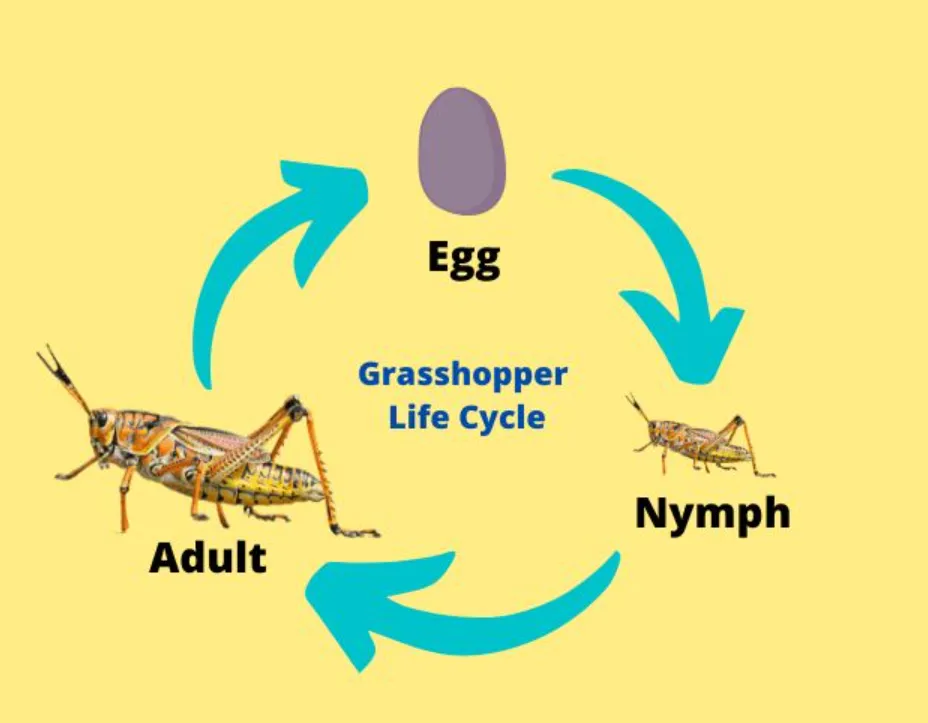
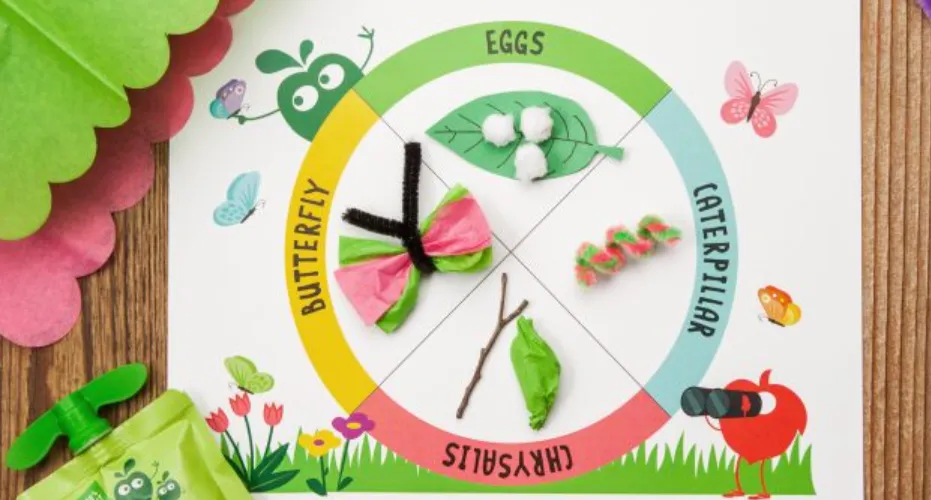
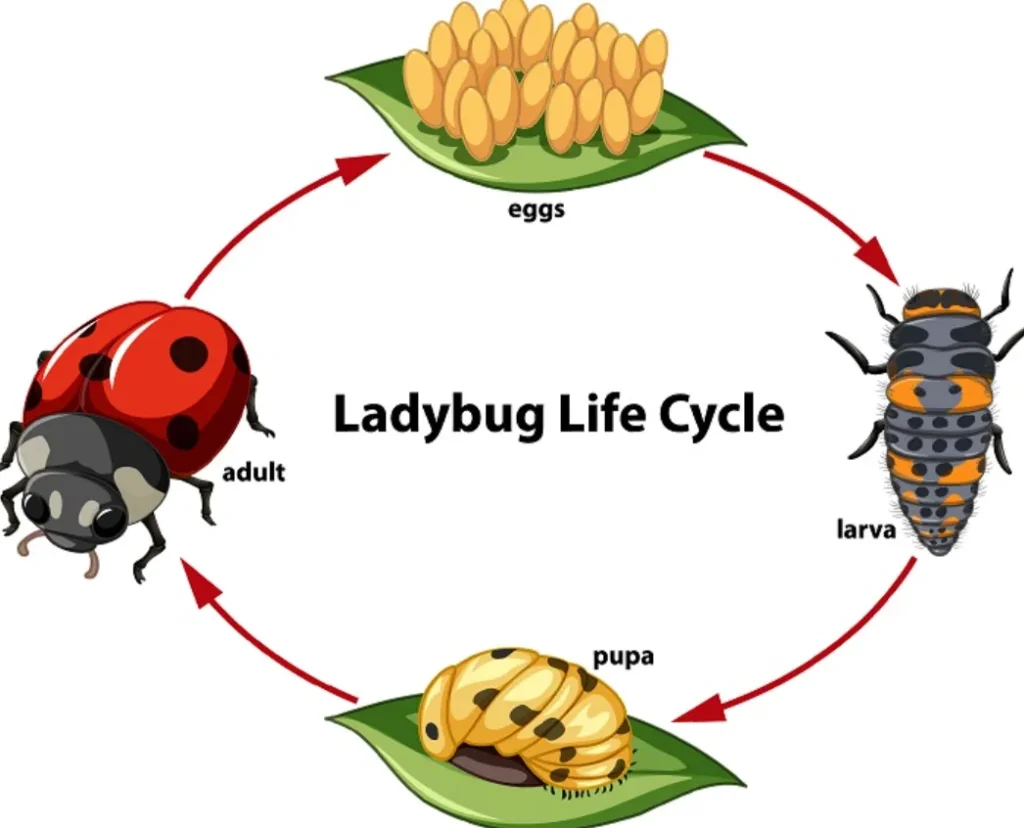
The lady beetle life cycle consists of four stages: egg, larva, pupa, and adult.
2. How long does a lady beetle live?
A typical lady beetle lifespan ranges from 1 to 2 years, depending on environmental conditions.
3. What do lady beetles eat?
They mainly feed on aphids, making them beneficial insects for gardens and farms.
Quick Life Cycle Table
| Stage | Duration | Description |
| Egg | 3–5 days | Yellow clusters lay on leaves near food sources |
| Larva | 2–4 weeks | Active feeding stage; eats aphids rapidly |
| Pupa | 5–7 days | Transformation stage: inactive but developing |
| Adult | Up to 1–2 years | Reproductive and active predator stage |
The History Of Their Scientific Naming
The scientific naming of lady beetles reflects both their biological classification and cultural significance.
- Lady beetles belong to the family Coccinellidae, derived from Latin meaning “scarlet-colored.”
- The term “ladybird” originated in Europe, referring to the Virgin Mary, as farmers believed these insects were sent to protect crops.
- Over time, the name evolved into “ladybug” in North America.
- Scientists classify them under the order Coleoptera, which includes all beetles.
- The species diversity is vast, with over 5,000 known species worldwide.
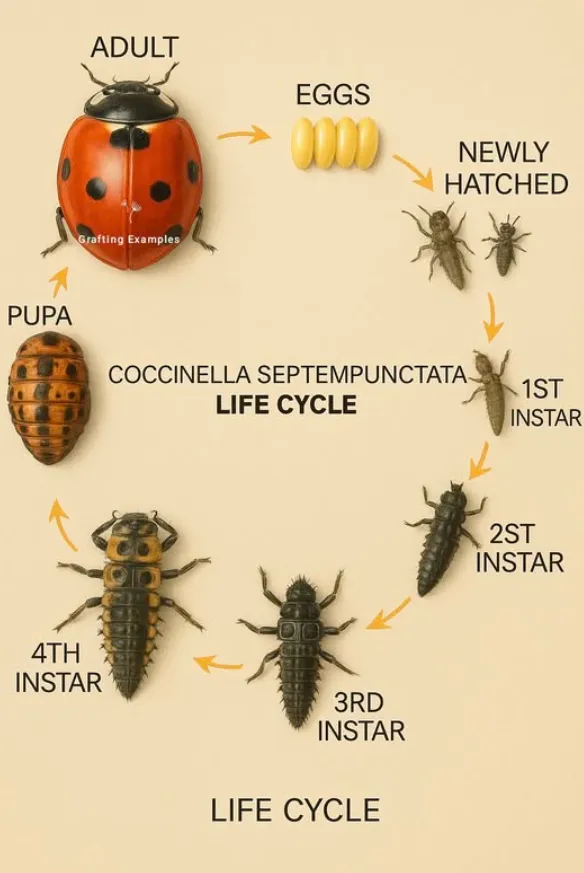
- Some well-known species include Coccinella septempunctata (seven-spotted lady beetle).
- The naming system helps distinguish between native species and invasive ones like the Japanese lady beetle.
Their Evolution And Their Origin
Lady beetles have a long evolutionary history that dates back millions of years. Fossil evidence suggests that these insects evolved during the Cretaceous period, alongside flowering plants.
Originally, lady beetles developed as predators to control soft-bodied insects like aphids. This relationship with plants and pests helped them adapt and spread across continents. Their bright coloration evolved as a warning signal to predators, indicating they are not good to eat.
Over time, different species adapted to various climates. Some thrive in tropical regions, while others survive in colder environments by hibernating during winter. This adaptability is a key reason for their global presence.
The introduction of species like the asian lady beetle into new regions for pest control has also influenced their evolutionary path. While effective in agriculture, these non-native species sometimes compete with local populations.
Their ability to undergo complete metamorphosis has remained unchanged, proving its efficiency as a survival strategy. This evolutionary success has made lady beetles one of the most recognized beneficial insects worldwide.
Their Main Food and Its Collection Process
Lady beetles are natural predators, making them extremely valuable in controlling pest populations.
Main Food Sources
- Aphids (primary food source)
- Scale insects
- Mites
- Whiteflies
- Mealybugs
- Insect eggs
Food Collection Process
- Lady beetles use their strong mandibles to capture and consume prey.
- They actively search for aphid colonies on plant leaves.
- Larvae are especially aggressive feeders and can consume hundreds of aphids.
- Adults use their sense of smell to locate food sources.
- They prefer plants with high pest populations for feeding and laying eggs.
- Some species also consume pollen and nectar when prey is scarce.
This feeding behavior not only sustains them but also protects crops from damage, making them essential for organic farming.
Important Things That You Need To Know
Understanding the differences between lady beetles and related species is crucial.
🔍 Key Insights About LSI Keywords
The terms lady beetle, asian lady beetle, vs. ladybug, ladybug vs asian lady beetle, asian lady beetle infestation, and Japanese lady beetle are often confused but have important distinctions.
The lady beetle is a general term for all species in the Coccinellidae family. However, the asian lady beetle vs ladybug comparison highlights differences in behavior and appearance. Asian lady beetles tend to be more aggressive and can bite humans, unlike most native ladybugs.
When comparing the ladybug vs asian lady beetle, one major difference is their overwintering habits. Asian species often invade homes, leading to asian lady beetle infestation problems, especially in colder months.
The Japanese lady beetle is another introduced species that has adapted well to new environments but sometimes disrupts local ecosystems.
Understanding these differences helps in identifying species correctly and managing their impact on homes and agriculture.
Their Life Cycle and Ability to Survive in Nature
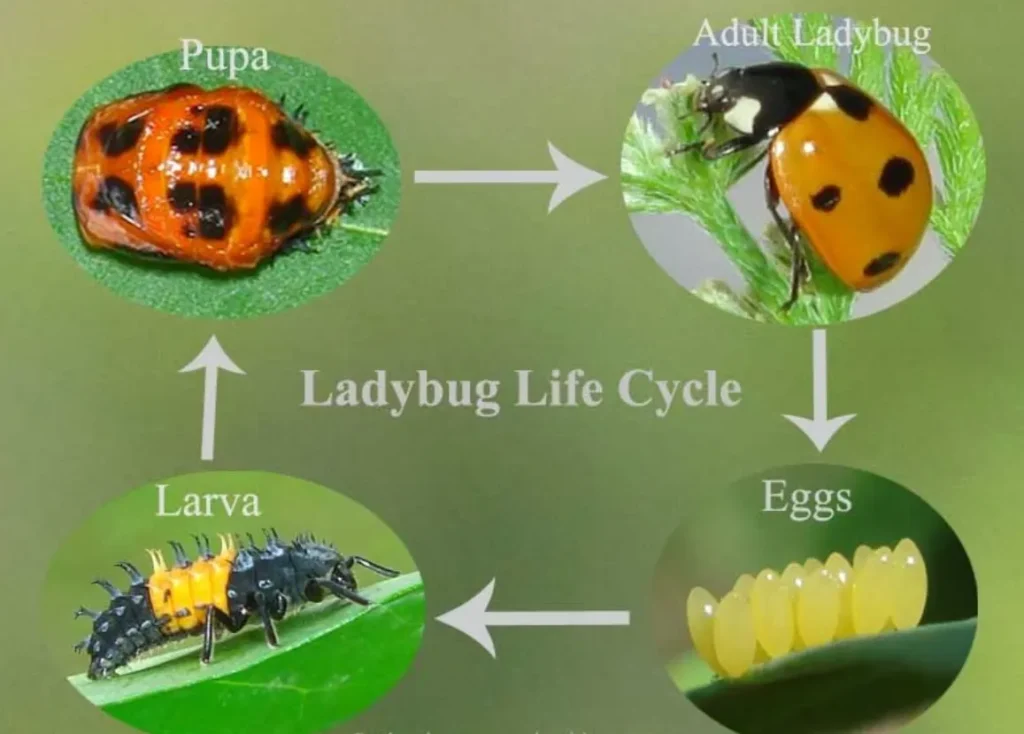
🥚 Egg Stage
Lady beetles lay clusters of yellow eggs on the underside of leaves. These are usually placed near aphid colonies to ensure immediate food access after hatching.
🐛 Larva Stage
Larvae emerge as tiny, black, spiky creatures. They are highly active and consume large numbers of pests daily.
🛌 Pupa Stage
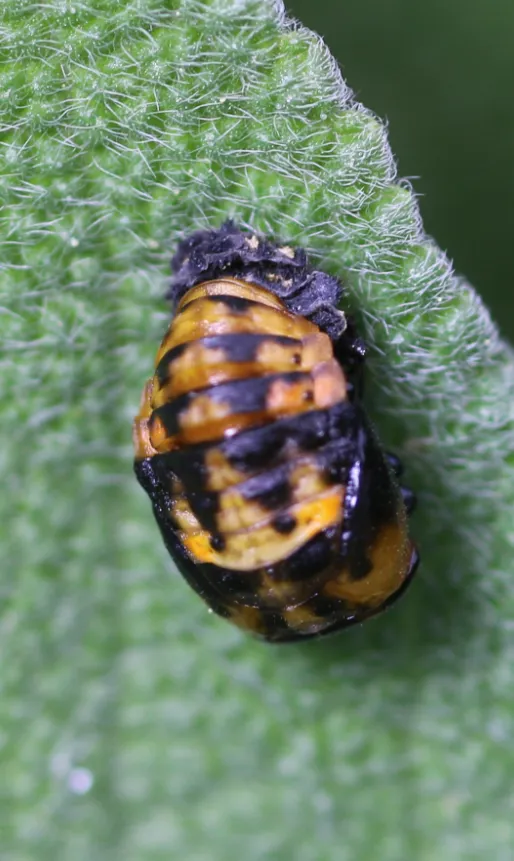
During this stage, the larva attaches itself to a surface and transforms. This stage is crucial for developing adult features.
🐞 Adult Stage
The adult emerges with soft wings that harden over time. It begins feeding, mating, and continuing the life cycle.
Survival Strategies
- Bright colors warn predators
- Ability to release foul-smelling chemicals
- Hibernation during winter
- High reproductive rate
- Adaptability to different climates
These traits ensure their survival in diverse environments.
Their Reproductive Process and Raising Their Children
Lady beetles reproduce efficiently, ensuring population sustainability.
Reproductive Process
- Mating usually occurs in spring and early summer.
- Females can lay hundreds of eggs in their lifetime.
- Eggs are strategically placed near food sources.
- Fertilization happens internally.
Raising Their Young
- No parental care after egg-laying.
- Larvae are independent feeders from birth.
- High survival rate due to abundant food.
- Rapid growth ensures a quick transition to adulthood.
- Multiple generations can occur in one season.
This reproductive efficiency helps maintain their population and ecological role.
Importance of Them in this Ecosystem
🌱 Natural Pest Control
Lady beetles reduce harmful insect populations naturally.
🌾 Agricultural Benefits
Farmers rely on them for organic pest management.
🌍 Biodiversity Support
They contribute to maintaining ecological balance.
🐝 Pollination Assistance
Some species aid in pollination while feeding on nectar.
🔄 Food Chain Role
They serve as prey for birds and other predators.
Their presence indicates a healthy environment and sustainable ecosystem.
What to Do to Protect Them in Nature and Save the System for the Future
- Avoid using chemical pesticides in gardens.
- Plant native vegetation to attract lady beetles.
- Provide shelter, such as leaf litter or small plants.
- Encourage organic farming practices.
- Reduce habitat destruction.
- Educate others about their benefits.
- Avoid killing them indoors; release them outside.
- Support conservation programs.
Frequently Asked Questions (FAQs)
1. How many eggs does a lady beetle lay?
A female can lay up to 300–1000 eggs in her lifetime.
2. Are asian lady beetles harmful?
They are mostly harmless, but can bite and invade homes.
3. Do lady beetles hibernate?
Yes, they hibernate during winter in groups.
4. What is the difference between a ladybug and a lady beetle?
They are the same; “ladybug” is a common name.
5. Why do lady beetles come indoors?
They seek warmth during cold weather.
6. How fast do lady beetles grow?
They complete their life cycle in about 4–6 weeks.
7. Can lady beetles fly?
Yes, adults have wings and are strong fliers.
8. Are lady beetles beneficial for gardens?
Absolutely, they help control pests naturally.
Conclusion
The lady beetle life cycle is a remarkable example of nature’s efficiency and balance. From egg to adult, each stage plays a vital role in their survival and ecological contribution. These tiny insects are not just beautiful but incredibly beneficial, especially in agriculture and pest control.
Understanding their life cycle, feeding habits, and environmental importance helps us appreciate their role in maintaining a healthy ecosystem. While species like the asian lady beetle can sometimes cause issues, their overall contribution remains invaluable.
Protecting lady beetles means protecting our environment. By adopting sustainable practices and spreading awareness, we can ensure that these helpful insects continue to thrive for generations to come.
Also Read: life cycle for insects