The Shark life cycle is one of the most fascinating processes in the animal kingdom, reflecting millions of years of evolution and adaptation. Sharks are among the oldest living species on Earth, existing long before dinosaurs. Today, more than 500 species of sharks inhabit the world’s oceans, ranging from the massive whale shark to the mysterious goblin shark.
Understanding the life cycle of sharks is crucial not only for marine biology but also for conservation efforts. Sharks play a vital role in maintaining ocean ecosystems, yet many species face threats due to human activities such as overfishing and habitat destruction.
Unlike most fish, sharks have unique reproductive strategies and growth patterns. Some species give birth to live young, while others lay eggs. Their survival depends on complex behaviors, including migration, hunting techniques, and environmental adaptation.
In 2026, scientists continue to uncover new insights about shark behavior and reproduction using advanced tracking technologies. These discoveries highlight the essential role of sharks in ocean health and biodiversity.
This article explores every stage of the shark life cycle—from their origins and evolution to reproduction, survival strategies, and ecological importance. By the end, you will gain a deeper understanding of why protecting sharks is critical for the future of marine ecosystems.
Their Evolution And Their Origin
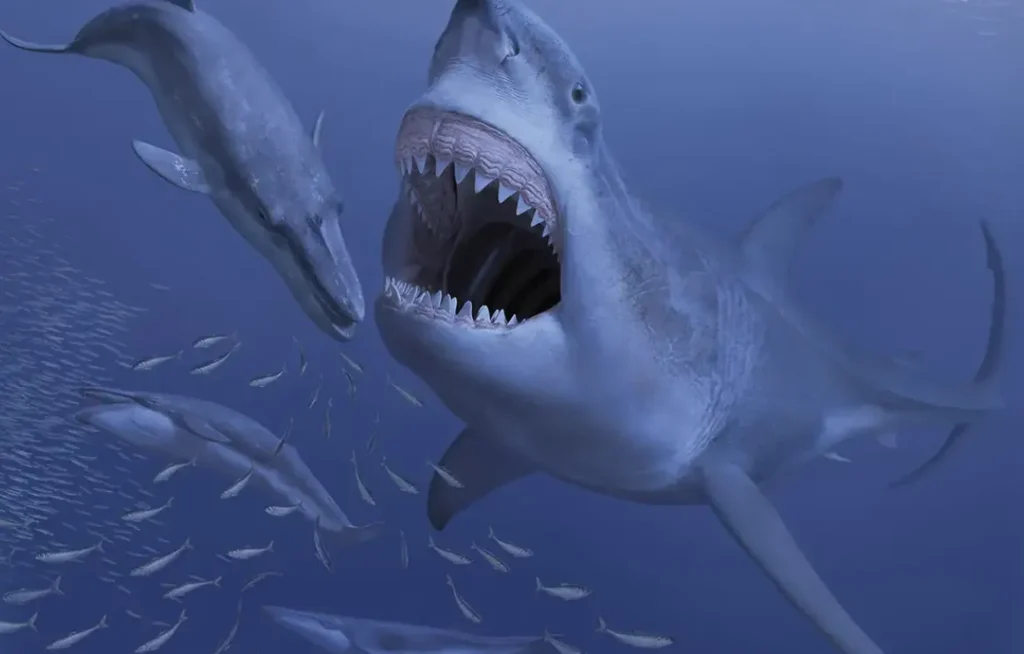
Sharks are among the most ancient vertebrates, with origins dating back over 400 million years. This means sharks existed long before dinosaurs roamed the Earth.
Early Evolution
The earliest shark-like creatures appeared during the Silurian period. These primitive sharks had simple structures but already possessed key features such as cartilage skeletons and streamlined bodies.
Unlike bony fish, sharks evolved with cartilage instead of bone. This adaptation made them lighter and more flexible, improving their swimming efficiency and predatory abilities.
Survival Through Mass Extinctions
Sharks have survived multiple mass extinction events, including the one that wiped out the dinosaurs. Their adaptability, diverse diet, and reproductive strategies allowed them to thrive when other species disappeared.
Diversification of Species
Over millions of years, sharks evolved into various forms:
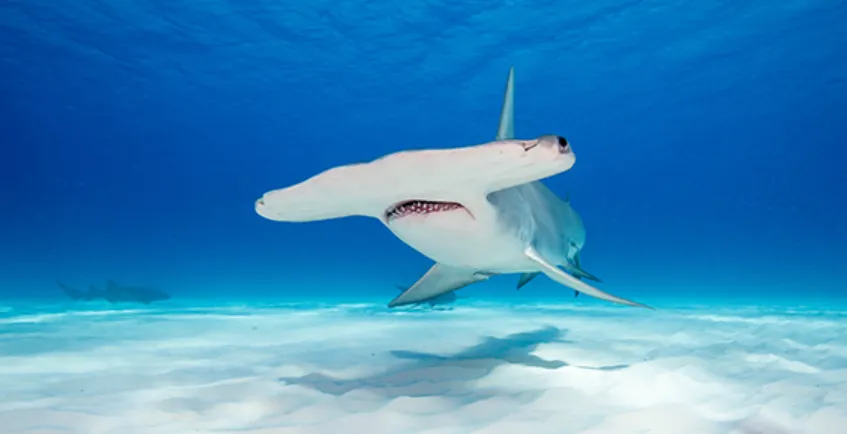
- Hammerhead sharks developed wide heads for enhanced sensory perception
- Bull sharks are adapted to survive in both freshwater and saltwater
- Lemon sharks became known for their social behavior
- Deep-sea species like the goblin shark evolved unique features for hunting in darkness
Modern Evolutionary Traits
Modern sharks possess highly developed sensory systems:
- Electroreception to detect prey
- Acute smell and hearing
- Efficient swimming mechanisms
These traits have remained largely unchanged for millions of years, proving their effectiveness.
Why Evolution Matters Today
Understanding shark evolution helps scientists predict how species might adapt to climate change and ocean pollution in 2026 and beyond. It also highlights why sharks are often called “living fossils.”
The History Of Their Scientific Naming
The scientific classification of sharks has evolved over centuries as researchers gained a better understanding of their biology.
Key Points in Scientific Naming
- Ancient Classification
- Early scientists grouped sharks with fish because of their aquatic nature, despite their unique cartilaginous skeletons.
- Introduction of “Selachimorpha”
- Sharks are now classified under the subclass Elasmobranchii and the superorder Selachimorpha.
- Linnaean System (18th Century)
- Carl Linnaeus introduced binomial nomenclature, assigning standardized scientific names to sharks.
- Species Identification
- Each shark species has a unique name, such as:
- Carcharhinus leucas (Bull shark)
- Negaprion brevirostris (Lemon shark)
- Mitsukurina owstoni (Goblin shark)
- Modern Genetic Research (2026)
- DNA analysis is now used to refine classification and discover new species.
- Importance of Naming
- Scientific naming helps researchers communicate clearly and track conservation efforts globally.
This evolving classification system reflects the growing knowledge of shark diversity and biology.
Their Life Cycle And Ability To Survive In Nature
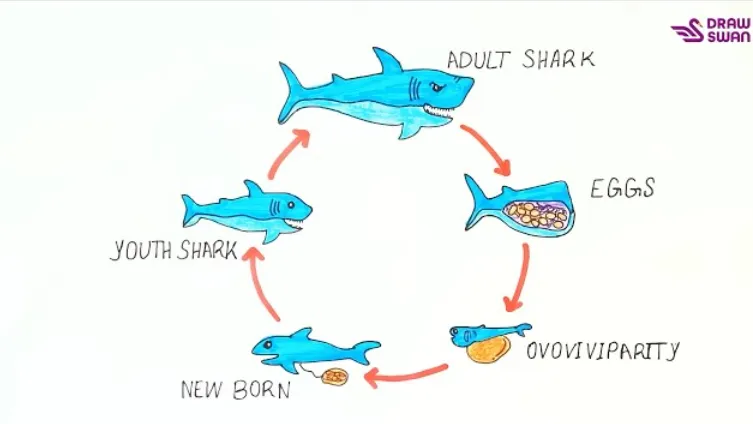
The shark life cycle is complex and varies across species, but it generally includes several key stages.
Key Stages of the Shark Life Cycle
- Egg Stage (Oviparous species)
- Some sharks lay eggs enclosed in protective cases known as “mermaid’s purses.”
- Embryonic Development
- In live-bearing species, embryos develop inside the mother, receiving nutrients from yolk or placenta-like structures.
- Birth or Hatching
- Shark pups are born fully formed and capable of independent survival.
- Juvenile Stage
- Young sharks grow rapidly while learning hunting and survival skills.
- Adult Stage
- Mature sharks reproduce and maintain ecological balance.
Survival Strategies
- Strong predatory instincts from birth
- Camouflage and stealth hunting
- Migration to nutrient-rich waters
- Ability to regulate buoyancy without swim bladders
Adaptation to Environment
Sharks can survive in diverse habitats:
- Deep oceans
- Coastal waters
- Coral reefs
- Even freshwater (e.g., bull sharks)
Their adaptability is a key reason for their long-term survival on Earth.
Their Reproductive Process And Raising Their Children
Sharks have unique reproductive methods compared to most fish.
Types of Reproduction
- Oviparous (Egg-laying)
- Species lay eggs that develop externally.
- Ovoviviparous
- Eggs hatch inside the mother, and pups are born live.
- Viviparous (Live birth)
- Embryos receive nutrients through a placenta-like connection.
Key Features of Shark Reproduction
- Internal fertilization
- Long gestation periods (up to 2 years in some species)
- Fewer offspring compared to other fish
Raising Their Young
- Shark mothers typically do not care for their young after birth
- Pups are independent immediately
- Some species use nursery areas for protection
Survival Challenges for Pups
- Predation from larger marine animals
- Limited food resources
- Environmental changes
Despite these challenges, sharks have evolved efficient reproductive strategies that ensure the survival of the species.
Importance Of Them in the Ecosystem
Sharks are essential to maintaining healthy marine ecosystems.
Key Roles in the Ecosystem
- Top Predators
- Regulate populations of other marine species
- Maintain Balance
- Prevent overpopulation of prey species
- Promote Biodiversity
- Ensure weaker or sick animals are removed
- Support Coral Reef Health
- Control species that damage reefs
- Indicator Species
- Reflect the overall health of ocean ecosystems
Impact of Shark Decline
Without sharks, ecosystems can collapse, leading to:
- Overfishing imbalance
- Coral reef degradation
- Loss of biodiversity
In 2026, conservationists emphasize protecting sharks to sustain marine life globally.
🌊 Important Things That You Need To Know
The world of sharks is vast and extends beyond just biology. Many related topics and terms are widely searched and discussed.
Understanding Related Shark Topics
- Shark
- A broad term covering over 500 species with diverse habitats and behaviors.
- Shark Vacuum
- A popular household appliance brand, unrelated to marine sharks, but often searched alongside them.
- Shark FlexStyle
- A modern hair styling tool brand, showing how the word “shark” is used commercially.
- Goblin Shark
- A rare deep-sea species known for its unique jaw and appearance.
- Bull Shark
- One of the most dangerous sharks, capable of living in freshwater.
- Shark Tank
- A business reality show where entrepreneurs pitch ideas to investors.
- Lemon Shark
- Known for social behavior and found in coastal waters.
- Shark Week 2025
- A popular annual TV event that educates people about sharks and conservation.
Why These Matter
Understanding these terms helps differentiate between real sharks and popular culture references. It also highlights how sharks influence both science and society.
What To Do To Protect Them In Nature And Save The System For The Future
Protecting sharks is critical for maintaining ocean balance.
Conservation Actions (Bullet Points)
- Support sustainable seafood choices
- Avoid products made from shark fins
- Promote marine protected areas
- Reduce plastic pollution in oceans
- Support organizations focused on shark conservation
- Educate others about the importance of sharks
- Advocate for stricter fishing regulations
- Participate in ocean clean-up initiatives
Role of Technology (2026)
- Satellite tracking of shark migration
- AI-based monitoring of illegal fishing
- Genetic research for species protection
By taking these steps, we can help ensure sharks continue to thrive.
Frequently Asked Questions (FAQs)
1. What is the shark life cycle?
The shark life cycle includes stages such as egg or embryo, pup, juvenile, and adult.
2. How long do sharks live?
Depending on the species, sharks can live from 20 to over 100 years.
3. Do all sharks lay eggs?
No, some sharks lay eggs, while others give birth to live young.
4. How many babies do sharks have?
Sharks produce fewer offspring compared to other fish, often between 2 and 100 pups.
5. Are sharks endangered in 2026?
Yes, many species are threatened due to overfishing and habitat loss.
6. What do baby sharks eat?
They feed on small fish, plankton, and crustaceans.
7. Why are sharks important?
They maintain balance in marine ecosystems as top predators.
8. Can sharks survive in freshwater?
Some species, like bull sharks, can live in both freshwater and saltwater.
Conclusion
The shark life cycle is a remarkable journey shaped by millions of years of evolution. From their ancient origins to their modern-day survival strategies, sharks remain among the most resilient and important species in the ocean.
Each stage of their life—from the embryo to adulthood—is designed for survival in diverse, often harsh marine environments. Their unique reproductive methods, slow growth, and long lifespans make them especially vulnerable to human threats.
In 2026, the urgency to protect sharks has never been greater. Overfishing, climate change, and pollution are putting immense pressure on shark populations worldwide. Losing sharks would disrupt entire ecosystems, leading to long-term environmental consequences.
However, there is hope. With advancements in technology, increased awareness, and global conservation efforts, we have the tools to protect these incredible creatures.
By understanding their life cycle and ecological importance, we can make informed decisions that support ocean health. Whether through sustainable choices, education, or advocacy, every action counts.
Sharks are not just predators—they are guardians of the ocean. Protecting them ensures a balanced and thriving marine ecosystem for future generations.
Also Read About: Plant Life Cycle for Kids