The life cycle of mosquitoes is one of the most fascinating yet concerning biological processes in nature. Mosquitoes are not just annoying insects—they play a crucial role in ecosystems while also being responsible for spreading deadly diseases through mosquito bites. Understanding their life cycle helps with effective mosquito control, reduces risks, and improves prevention strategies.
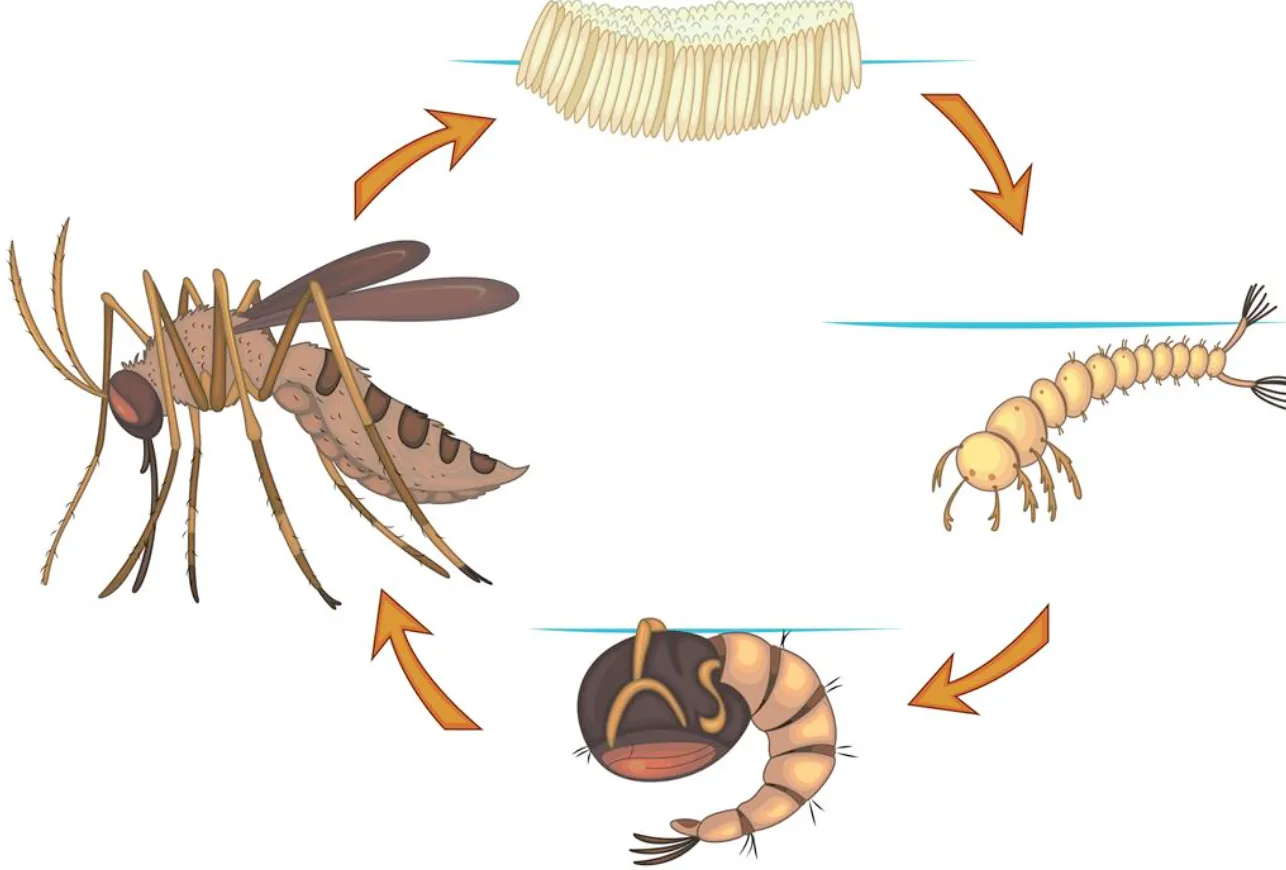
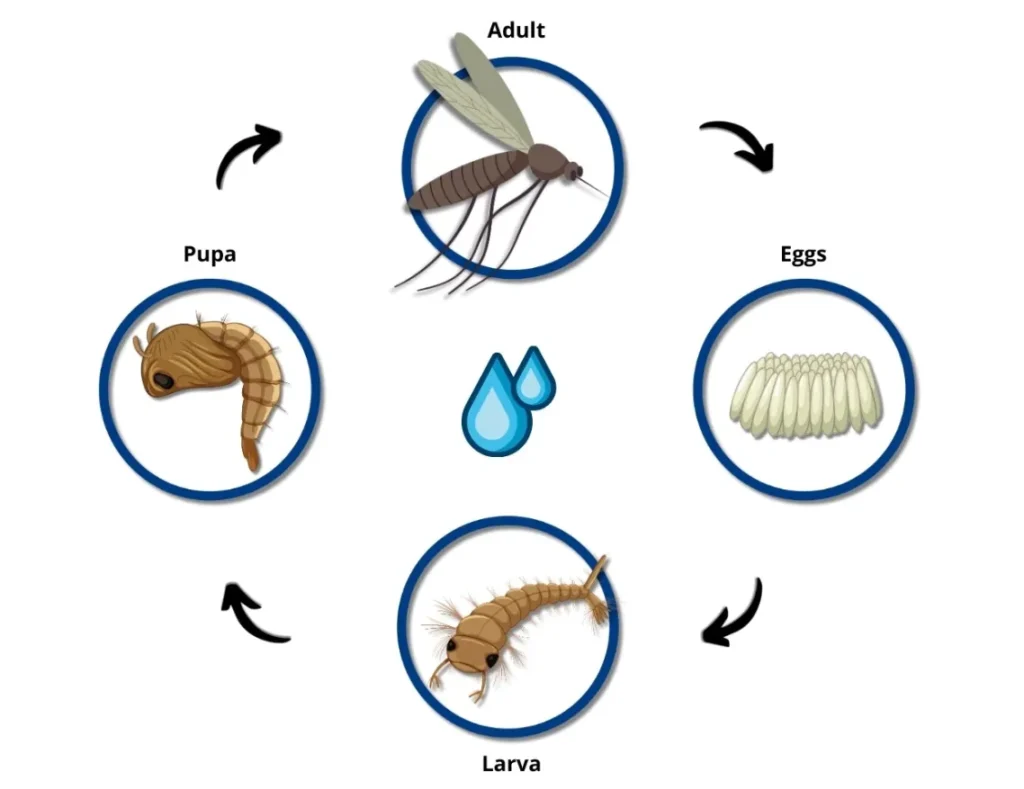
Mosquitoes undergo a complete metamorphosis consisting of four stages: egg, larva, pupa, and adult. Each stage has unique characteristics and survival strategies. Their ability to adapt to diverse environments makes them among the most resilient insects on Earth.
✅ Quick Answers (Most Common Questions)
1. How long is the mosquito life cycle?
The Mosquito life cycle typically takes 7–14 days, depending on temperature and environmental conditions.
2. Where do mosquitoes lay eggs?
Mosquitoes lay eggs in standing water, such as ponds, puddles, or even small containers.
3. Why do mosquitoes bite humans?
Only female mosquitoes bite to obtain blood, which provides proteins needed for egg production.
Quick Life Cycle Table
| Stage | Duration | Description |
| Egg | 1–3 days | Laid in water or damp areas; hatch quickly |
| Larva | 4–10 days | Known as wrigglers, they live in water and feed actively |
| Pupa | 1–4 days | Non-feeding stage; transformation occurs |
| Adult | 1–2 weeks+ | Flying insect; reproduction and feeding occur |
The History Of Their Scientific Naming
- Mosquitoes belong to the family Culicidae, derived from the Latin word “culicidae,” meaning “little fly.”
- The term “mosquito” comes from Spanish, meaning “small fly.”
- Early classification began in the 18th century by Carl Linnaeus, the father of modern taxonomy.
- Over 3,500 mosquito species have been identified globally.
- Important genera include:
- Anopheles – Malaria carriers
- Aedes – Dengue and Zika spreaders
- Culex – West Nile virus vectors
- Scientific naming helps researchers track disease transmission patterns.
- Modern genetic tools have further refined classification systems.
These classifications are vital for understanding disease risks and implementing targeted mosquito control strategies.
Their Evolution And Their Origin
Mosquitoes have existed for over 100 million years, dating back to the age of dinosaurs. Fossil evidence shows that early mosquitoes were already blood-feeding insects, meaning their survival strategies have been refined over millions of years.
Originally, mosquitoes evolved from non-biting midges. Over time, female mosquitoes developed specialized mouthparts to pierce skin and extract blood. This adaptation gave them a reproductive advantage because blood provides essential nutrients for egg development.
Environmental changes played a major role in their evolution. As wetlands and tropical climates expanded, mosquitoes adapted to thrive in diverse habitats—from rainforests to urban environments. Today, they are found on every continent except Antarctica.
Their evolutionary success is due to several factors:
- Rapid reproduction cycles
- Ability to adapt to different climates
- Resistance to environmental changes
- Efficient host detection using carbon dioxide and body heat
This long evolutionary history explains why mosquitoes remain one of the most persistent and widespread insects in the world.
Their Main Food and Its Collection Process
Mosquitoes have different feeding habits depending on their life stage and gender.
🌿 Feeding Habits
- Larvae:
- Feed on microorganisms, algae, and organic debris in water
- Male Mosquitoes:
- Consume nectar and plant juices
- Female Mosquitoes:
- Feed on nectar AND blood (for reproduction)
🩸 Blood Collection Process
- Female mosquitoes detect hosts using carbon dioxide and body heat
- They land silently and use their proboscis to pierce the skin
- Saliva is injected to prevent blood clotting (this causes itching)
- Blood is then sucked and stored for egg development
🌸 Nectar Feeding
- Provides energy for flight and survival
- Supports Pollination in some ecosystems
This dual feeding strategy ensures both survival and reproduction, making mosquitoes highly efficient organisms.
Their Life Cycle and Ability to Survive in Nature
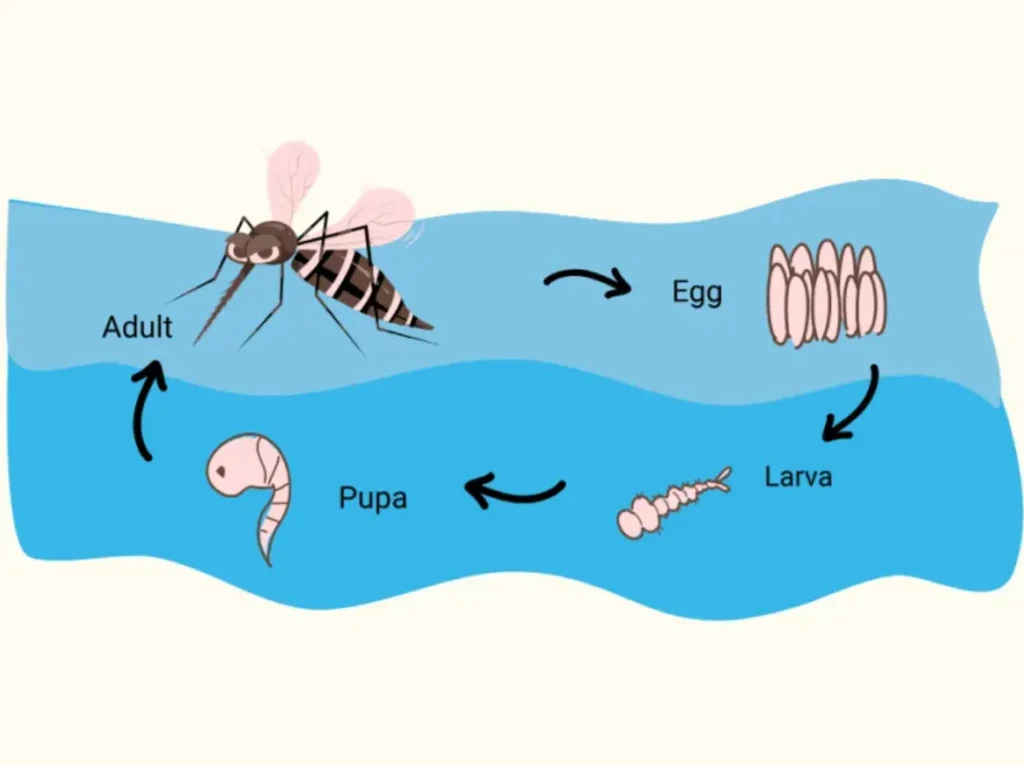
🥚 Egg Stage
Female mosquitoes lay eggs in or near water. Some species can lay eggs that survive dry conditions for months.
🐛 Larva Stage
Larvae live in water and breathe through tubes at the surface. They feed constantly and grow rapidly.
🧬 Pupa Stage
This is a resting stage where transformation into an adult occurs. Pupae do not feed but remain active.
🦟 Adult Stage
Adults emerge from water and begin flying. Females seek blood meals, while males focus on nectar.
🌍 Survival Abilities
- Can survive in extreme climates
- Adapt to urban environments
- Lay hundreds of eggs at once
- Short life cycles allow rapid population growth
These traits make mosquitoes incredibly resilient and difficult to eliminate.
Their Reproductive Process and Raising Their Children
- Female mosquitoes mate once but store sperm for multiple egg-laying cycles
- After a mosquito bite, females use the blood nutrients to produce eggs
- Eggs are laid in clusters or individually, depending on the species
- Some species lay eggs that hatch immediately, while others wait for water
🐣 Development Process
- Eggs hatch into larvae within days
- Larvae feed and grow quickly
- Pupae transform into adults
- The entire process can take just one week
👶 Raising Offspring
- Mosquitoes do not care for their young
- Survival depends on the environment and water quality
- High reproduction rates compensate for high mortality
This efficient reproductive system ensures their survival despite predators and environmental challenges.
Importance of Them in this Ecosystem
🌿 Role in Food Chain
Mosquitoes serve as food for fish, birds, frogs, and insects.
🌸 Pollination
Some species help in pollinating plants while feeding on nectar.
🌍 Ecological Balance
They contribute to biodiversity and nutrient cycling.
🧬 Scientific Research
Used in studies related to disease, genetics, and ecology.
Although harmful to humans, mosquitoes play a significant ecological role that cannot be ignored.
Important Things That You Need To Know
Mosquitoes are more than just pests—they directly impact human health and daily life. Understanding key aspects like mosquitoes, mosquito bites, mosquito repellent, mosquito control, and mosquito larvae is essential.
Mosquito bites can transmit dangerous diseases such as malaria, dengue, and Zika. Preventing bites is the first step toward protection. Using a good mosquito repellent—especially those containing DEET or natural oils—can significantly reduce exposure.
Mosquito control involves eliminating breeding grounds. Since mosquito larvae develop in standing water, removing stagnant water from containers, drains, and surroundings is highly effective.
Additionally, installing nets, using screens, and maintaining hygiene can reduce mosquito populations. Governments also use fogging and biological control methods to manage outbreaks.
Understanding these factors helps individuals and communities take proactive steps toward safety and environmental balance.
What to Do to Protect Them in Nature and Save the System for the Future
- Avoid unnecessary pesticide use that harms ecosystems
- Maintain natural wetlands and habitats
- Promote eco-friendly mosquito control methods
- Support biodiversity to balance mosquito populations
- Use biological predators like fish instead of chemicals
- Educate communities about sustainable practices
- Encourage research on eco-safe repellents
- Reduce pollution in water bodies
Balancing mosquito control with environmental protection is crucial for long-term sustainability.
Frequently Asked Questions (FAQs)
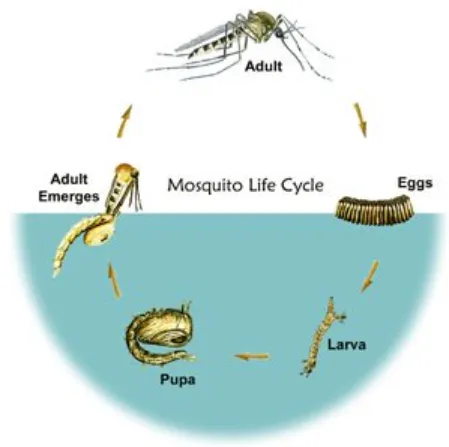
1. What are the 4 stages of the mosquito life cycle?
Egg, larva, pupa, and adult.
2. How long do mosquitoes live?
Typically 1–2 weeks, but females can live longer.
3. Why do only female mosquitoes bite?
They need blood proteins for egg production.
4. Can mosquitoes survive without water?
No, water is essential for egg and larval stages.
5. What attracts mosquitoes to humans?
Carbon dioxide, body heat, and sweat.
6. How can I prevent mosquito bites?
Use repellents, wear protective clothing, and avoid stagnant water.
7. Are mosquitoes useful in nature?
Yes, they support food chains and Pollination.
8. What kills mosquito larvae?
Removing standing water or using biological control methods.
Conclusion
The life cycle of mosquitoes is a remarkable process that highlights both the resilience and adaptability of these tiny insects. From eggs laid in water to flying adults capable of spreading disease, each stage plays a crucial role in their survival.
Understanding this cycle is essential for effective mosquito control and reducing the risks associated with mosquito bites. While they pose significant health challenges, mosquitoes also contribute to ecological balance by supporting food chains and Pollination.
By combining knowledge with practical prevention methods—such as eliminating breeding sites and using safe mosquito repellent—we can minimize their negative impact without disrupting nature.
Ultimately, awareness and sustainable action are key to coexisting with mosquitoes while protecting both human health and the environment.
Also Read: cycle of life of a plant