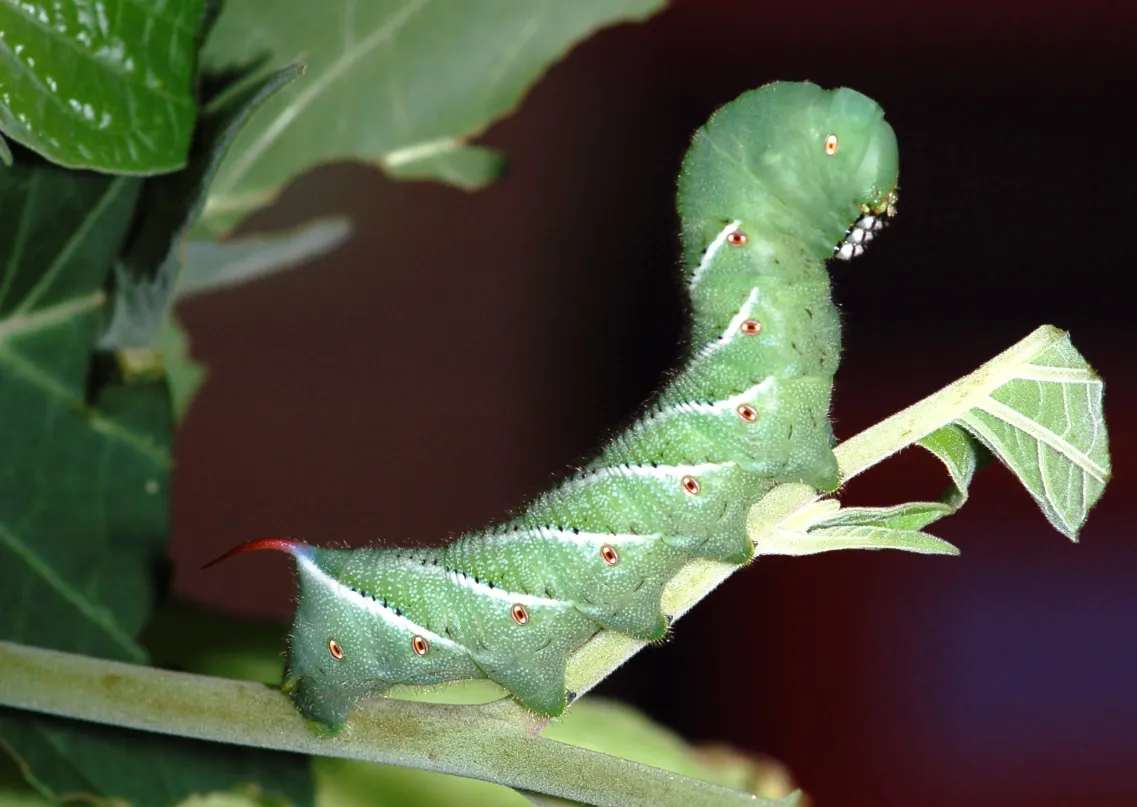
The tomato worm life cycle is a fascinating natural process that plays a crucial role in garden ecosystems. Commonly known as the tomato hornworm, this large green caterpillar is often spotted feeding on tomato plants. While many gardeners consider it a pest, understanding its life cycle reveals its importance in nature.
The Manduca quinquemaculata – Wikipedia, scientifically known as Manduca quinquemaculata, undergoes complete metamorphosis with four stages: egg, larva, pupa, and adult moth. Each stage has unique characteristics and survival strategies. The larval stage, also called the green horned tomato worm, is the most noticeable due to its size and appetite.
By studying the tomato worm life cycle, gardeners and nature enthusiasts can make informed decisions about pest control while maintaining ecological balance. This insect is also an important food source for birds and beneficial insects.
Quick Answers (Most Common Questions)
1. What is a tomato worm?
A tomato worm is the larval stage of a moth that feeds mainly on tomato plants and belongs to the sphinx moth family.
2. How long is the tomato worm’s life cycle?
The full life cycle typically takes 30–50 days, depending on environmental conditions.
3. Are tomato worms harmful or beneficial?
They can damage plants, but are also vital for biodiversity and serve as food for predators.
Quick Life Cycle Table
| Stage | Duration | Description |
| Egg | 3–5 days | Tiny green eggs are laid on leaves |
| Larva | 2–4 weeks | Large feeding stage (tomato worm) |
| Pupa | 2–3 weeks | Develops underground |
| Adult Moth | 2–3 weeks | Pollinates plants and reproduces |
The History Of Their Scientific Naming
The tomato worm has a well-documented scientific classification rooted in entomological research.
- The species is scientifically named Manduca quinquemaculata, meaning “five-spotted Manduca.”
- It belongs to the family Sphingidae, commonly known as hawk moths or sphinx moths.
- The naming was first established in the 18th century by European naturalists.
- The term “quinquemaculata” refers to the five distinctive spots found on the adult moth.
- Early scientists often confused it with Manduca sexta, a closely related species (tobacco hornworm).
- Modern taxonomy differentiates them based on markings and host plants.
- The tomato worm moth is now widely studied in biology due to its clear metamorphosis stages.
This history of scientific naming highlights how taxonomy evolved as observation tools and biological understanding improved.
Their Evolution And Their Origin
The tomato worm has evolved over millions of years within the Lepidoptera order, which includes butterflies and moths. Its ancestors likely originated in the Americas, where diverse plant life provided ideal conditions for adaptation.
Early hornworms developed specialized mouthparts to feed on specific plants, particularly those in the nightshade family, like tomatoes and tobacco. This specialization enabled them to thrive in environments with limited competition.
Over time, natural selection favored their bright green coloration, helping them blend into leaves and avoid predators. The characteristic “horn” at the rear of the larva evolved as a defense mechanism to deter threats, even though it is harmless.
The transformation into the tomato worm moth also reflects evolutionary success. Adult moths developed strong wings for long-distance travel and a long proboscis for feeding on nectar, aiding pollination.
Their lifecycle strategy—rapid growth followed by underground pupation—helps them survive seasonal changes. During colder months, pupae remain dormant until conditions improve.
This evolutionary journey demonstrates how the tomato worm adapted to environmental pressures while maintaining ecological significance.
Important Things That You Need To Know
The tomato worm is often misunderstood due to its impact on crops, but it has many unique characteristics worth noting.
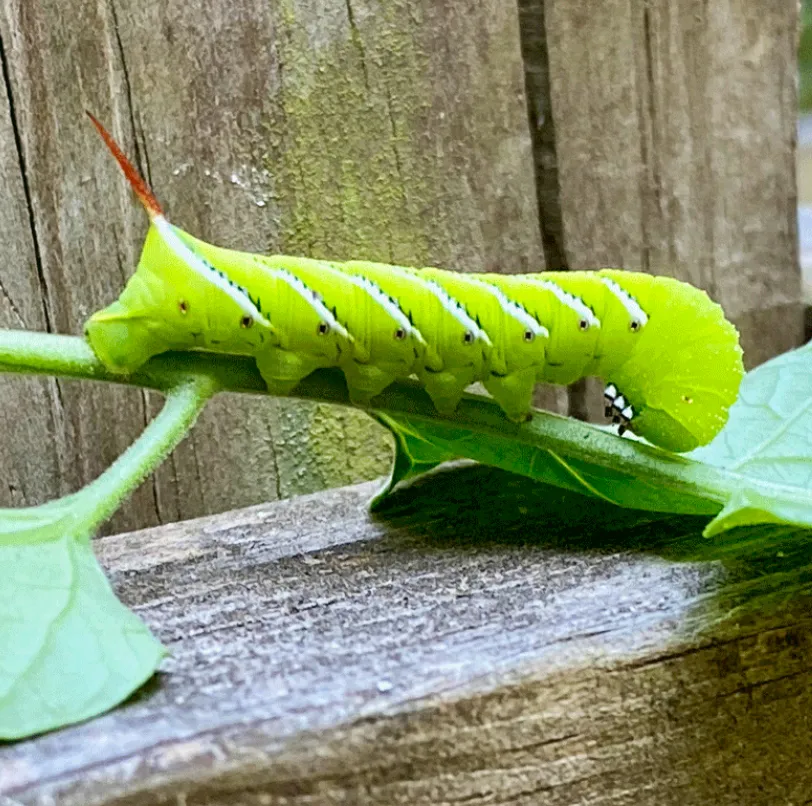
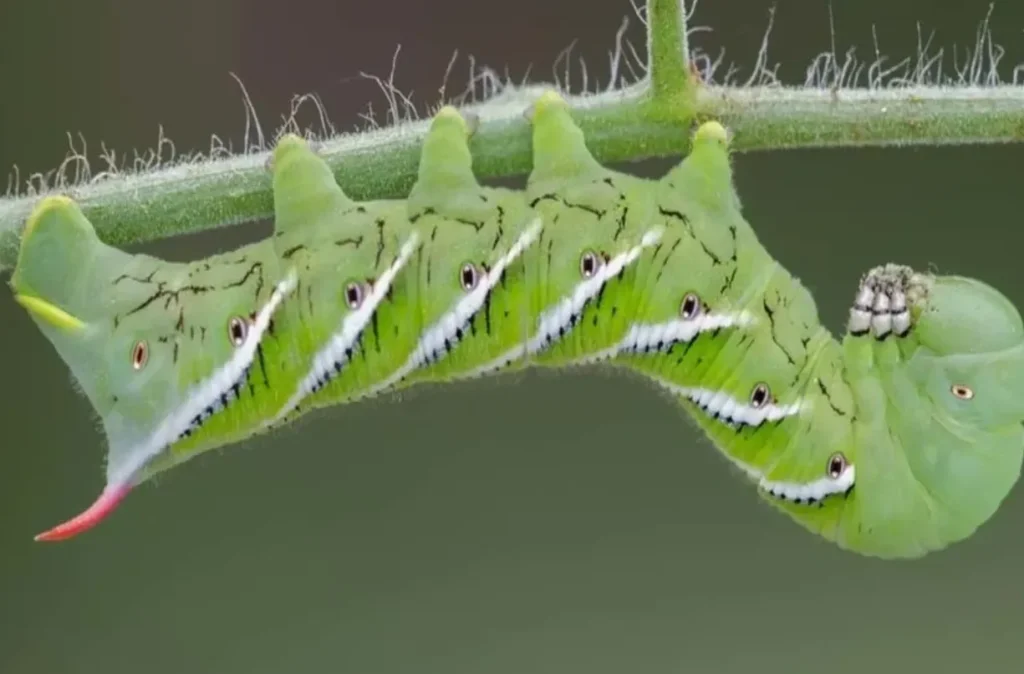
The green horned tomato worm is easily identified by its bright green body and horn-like tail. Despite its intimidating appearance, it is harmless to humans.
The tomato worm moth is a strong flyer and often active at dusk. It resembles a hummingbird when feeding on nectar.
A close look at a tomato worm’s face reveals tiny mandibles designed for efficient leaf consumption. This helps it grow rapidly during the larval stage.
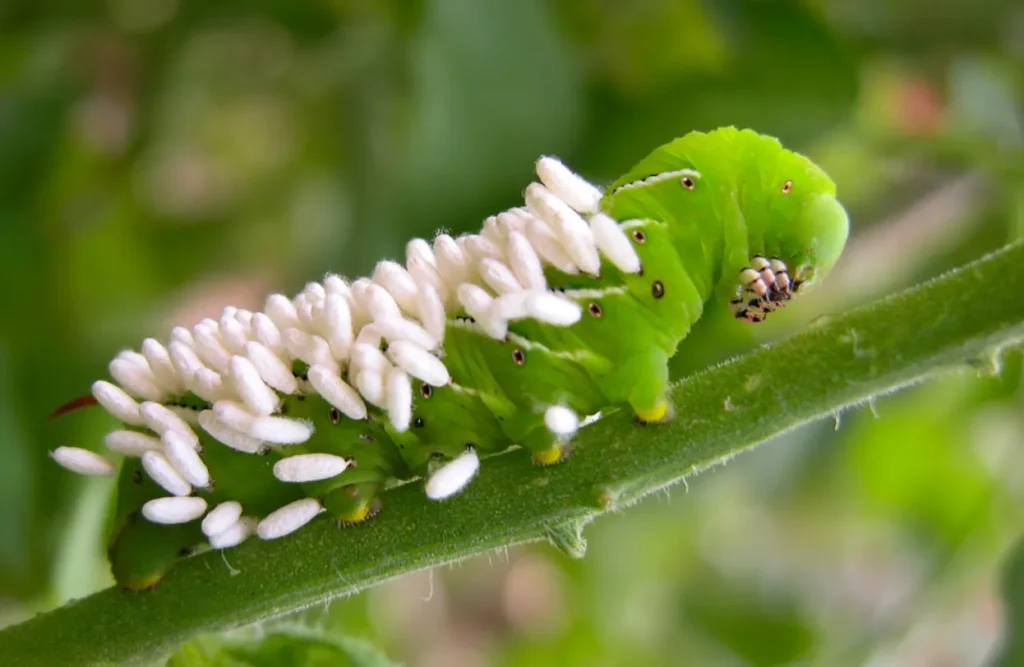
If you search for a tomato worm image, you’ll notice white cocoons on its body. These are actually parasitic wasp larvae, which help control worm populations naturally.
Their Main Food and Its Collection Process
Tomato worms are herbivores with a strong preference for plants in the nightshade family.
- Primary Food Sources
- Tomato plants
- Tobacco plants
- Eggplants
- Peppers
- Feeding Behavior
- They consume leaves, stems, and sometimes fruits.
- Their feeding is continuous during the larval stage.
- A single worm can defoliate a plant quickly.
- Collection Process
- They use strong mandibles to chew plant tissue.
- Feeding usually occurs at night or early morning.
- Their green color provides camouflage while feeding.
- Adaptation
- They can detoxify plant chemicals that are harmful to other insects.
- This allows them to survive on toxic plants like tobacco.
This feeding process ensures rapid growth and prepares them for the next stage of their life cycle.
Their Life Cycle and Ability to Survive in Nature
Egg Stage
Female moths lay eggs on the underside of leaves. These eggs hatch within a few days, ensuring quick population growth.
Larval Stage
This is the most active stage. The tomato worm grows rapidly, shedding its skin multiple times.
Pupal Stage
The larva burrows into the soil and forms a pupa. This stage protects it from predators and harsh weather.
Adult Stage
The adult moth emerges and begins the cycle again. It feeds on nectar and helps pollinate.
Their survival depends on camouflage, rapid growth, and seasonal adaptation. These traits make them highly resilient.
Their Reproductive Process and Raising Their Children
- Female moths lay hundreds of eggs during their lifetime.
- Eggs are placed strategically on host plants to ensure immediate access to food.
- There is no parental care after egg-laying.
- Larvae are independent from birth.
- Rapid growth reduces exposure to predators.
- Multiple generations can occur in warm climates.
- Environmental factors, such as temperature, influence reproductive rates.
This efficient reproductive strategy ensures the survival of the species despite high predation.
Importance of Them in this Ecosystem
Role in Food Chain
Tomato worms serve as food for birds, insects, and small mammals.
Contribution to Pollination
Adult moths help pollinate flowers, especially at night.
Natural Population Control
They support predator populations, maintaining ecological balance.
Indicator Species
Their presence can indicate the health of a garden ecosystem.
Despite being seen as pests, they are vital for biodiversity.
What to Do to Protect Them in Nature and Save the System for the Future
- Avoid excessive pesticide use.
- Encourage natural predators, such as birds and wasps.
- Use organic gardening practices.
- Maintain plant diversity.
- Allow some worms to survive for ecological balance.
- Monitor populations instead of eliminating them.
- Educate others about their role in ecosystems.
- Create habitats that support biodiversity.
Frequently Asked Questions (FAQs)
1. What does a tomato worm turn into?
It becomes a large moth known as a sphinx or hawk moth.
2. How can I identify a tomato worm?
Look for a green caterpillar with a horn on its tail.
3. Are tomato worms dangerous?
No, they are harmless to humans.
4. How fast do tomato worms grow?
They grow rapidly within 2–4 weeks.
5. What attracts tomato worms?
Tomato and other nightshade plants.
6. Can tomato worms be beneficial?
Yes, they support the food chain and pollination.
7. How do I control them naturally?
Use handpicking or encourage natural predators.
8. Where do tomato worms pupate?
They pupate underground in the soil.
Conclusion
The tomato worm life cycle is a remarkable example of nature’s balance between growth, survival, and ecological contribution. While these creatures are often labeled as garden pests, they play a significant role in maintaining biodiversity.
From their rapid larval growth to their transformation into pollinating moths, tomato worms demonstrate the importance of every stage in an ecosystem. Understanding their behavior and lifecycle helps gardeners make smarter, eco-friendly decisions.
Rather than eliminating them, managing their population ensures a healthier environment for plants, animals, and humans alike. By respecting their role in nature, we contribute to a sustainable and balanced ecosystem for future generations.
Also Read About: shark life cycle