The Spider life cycle is one of nature’s most fascinating biological processes, showcasing remarkable adaptability and survival strategies. Spiders, belonging to the class Arachnida, are found on every continent except Antarctica. With over 50,000 identified species as of 2026, they play a critical role in maintaining ecological balance.
Unlike insects, spiders have two main body parts and eight legs, which makes them unique among arthropods. From the moment they hatch, spiders begin a journey that involves multiple developmental stages, including molting, hunting, and reproduction. Each stage of the spider’s life cycle is essential for their growth and survival across diverse environments, including forests, deserts, urban areas, and even inside homes.
Many people associate spiders with fear because of concerns about bites or species like the brown recluse, but most spiders are harmless and beneficial. They act as natural pest controllers, feeding on insects that can damage crops or spread diseases.
Understanding the spider life cycle not only helps reduce unnecessary fear but also highlights their ecological importance. Whether it’s the intricate web of a garden spider or the agile movement of a jumping spider, each species demonstrates unique survival techniques.
In this comprehensive guide, we will explore the evolution, life cycle, reproduction, and ecological significance of spiders. We will also discuss their scientific naming history and how humans can help protect these vital creatures for future ecosystems.
Their Evolution And Their Origin
Spiders have an ancient evolutionary history dating back more than 300 million years, making them among the oldest terrestrial predators on Earth. Their ancestors emerged during the Carboniferous period, long before dinosaurs roamed the planet.
Early arachnids evolved from marine arthropods, gradually adapting to life on land. Fossil evidence suggests that primitive spider-like creatures could not initially produce silk. Over millions of years, spiders evolved spinnerets, enabling them to produce silk for web-building, hunting, and protection.
One of the most significant evolutionary milestones was the development of venom. This adaptation enabled spiders to immobilize prey efficiently, giving them a competitive advantage over other predators. Venom composition varies across species, with some being harmless to humans while others, like the brown recluse spider, can cause serious reactions.
Spiders diversified rapidly due to their ability to adapt to different environments. Today, they inhabit forests, grasslands, caves, deserts, and even aquatic ecosystems. Their success is largely due to their flexible hunting strategies—some build webs, while others actively hunt.
Interestingly, spiders are often confused with animals like the spider monkey, but they belong to entirely different biological groups. Spider monkeys are mammals, whereas spiders are arthropods. This distinction highlights the vast diversity of life on Earth and the importance of accurate classification.
Modern research in 2026 has revealed genetic insights into spider evolution, showing how their silk proteins have evolved to become one of the strongest natural materials known. Scientists are now studying spider silk for applications in medicine, engineering, and sustainable materials.
Overall, the evolution of spiders is a story of resilience and innovation, demonstrating how small creatures can dominate ecosystems through adaptation and specialization.
The History of Their Scientific Naming
The scientific naming of spiders follows the binomial nomenclature system introduced by Carl Linnaeus in the 18th century. This system assigns each species a unique two-part Latin name.
Here are key points about their scientific naming history:
- Binomial System Origin: Developed by Carl Linnaeus in 1758, it standardized the naming of species, including spiders, worldwide.
- Class and Order: Spiders belong to the class Arachnida and the order Araneae.
- Family Classification: Spiders are grouped into families such as Theridiidae (cobweb spiders) and Lycosidae (wolf spiders).
- Species Naming: Each spider species has a unique Latin name, such as Loxosceles reclusa for the brown recluse spider.
- Naming Based on Traits: Many species are named for their physical characteristics, habitats, or behaviors.
- Modern Taxonomy Updates: Advances in DNA sequencing (especially by 2026) have refined spider classification, leading to the reclassification of some species.
- Global Databases: The World Spider Catalog now tracks all known spider species and updates naming conventions regularly.
Scientific naming helps researchers communicate clearly and avoid confusion caused by common names, which can vary across regions.
Their life cycle and ability to survive in nature
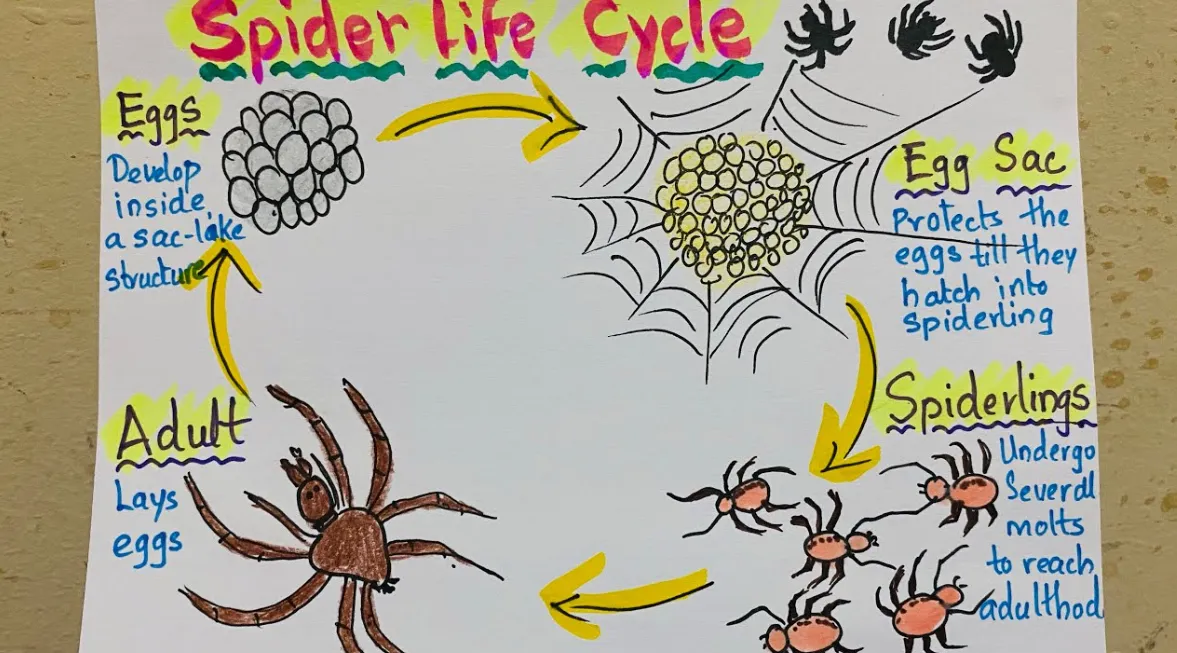
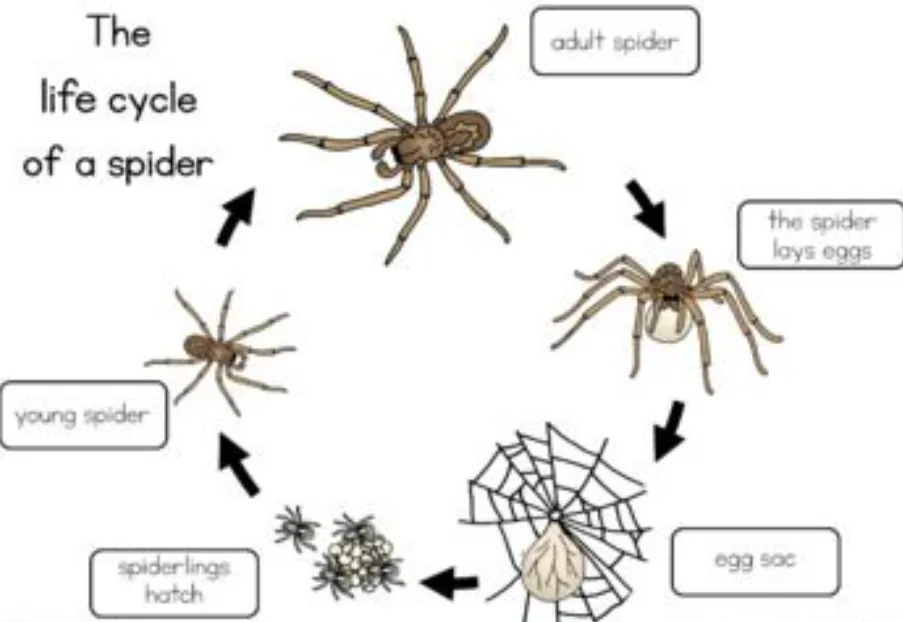
The spider life cycle consists of several stages, each crucial for survival and adaptation.
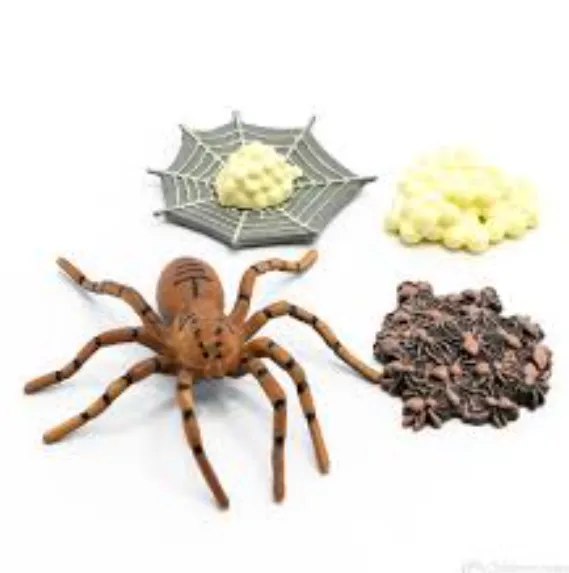
- Egg Stage: Female spiders lay eggs in silk sacs, protecting them from predators and environmental conditions.
- Spiderlings: Once hatched, young spiders resemble miniature adults and begin dispersing, often by ballooning (traveling through the air on silk threads).
- Juvenile Stage: Spiderlings undergo multiple molts, shedding their exoskeleton to grow larger.
- Adult Stage: Mature spiders develop reproductive organs and begin mating.
Spiders are incredibly resilient creatures. Their survival abilities include:
- Camouflage: Many species blend into their surroundings to avoid predators.
- Venom Use: Helps capture prey efficiently.
- Web Construction: Provides food capture and shelter.
- Adaptability: Can survive in extreme environments, from deserts to urban areas.
Their life cycle allows them to adapt quickly to changing environmental conditions, ensuring their survival across generations.
Important Things That You Need To Know
Spiders are often misunderstood, and confusion arises due to similar terms and species. Here are some important insights about related topics:
The term spider refers to arachnids with eight legs and no wings, found worldwide. They are predators that feed mainly on insects and play a key ecological role.
The spider monkey, despite its name, is not related to spiders at all. It is a primate found in Central and South America, named for its long limbs and tail, which resemble a spider’s.
Spider bites are often exaggerated in popular media. Most spider bites are harmless and cause only mild irritation. Serious cases are rare and usually involve specific species.
The brown recluse spider is one of the few species with medically significant venom. It prefers dark, undisturbed areas and rarely bites unless threatened.
The banana spider is known for its large size and strong web. Some species have mild venom, but they are generally not dangerous to humans.
Understanding these distinctions helps reduce fear and promotes awareness about the importance of spiders in nature.
Their Reproductive Process and raising their children
Spiders have unique reproductive strategies that ensure the survival of their species.
- Courtship Behavior: Male spiders perform specific movements or vibrations to attract females and avoid being mistaken as prey.
- Sperm Transfer: Males use specialized appendages called pedipalps to transfer sperm to females.
- Egg Sac Creation: Females produce silk egg sacs that can contain hundreds of eggs.
- Protection of Eggs: Some species guard their egg sacs, while others hide them in safe locations.
- Hatching Process: Spiderlings emerge and may stay with the mother briefly before dispersing.
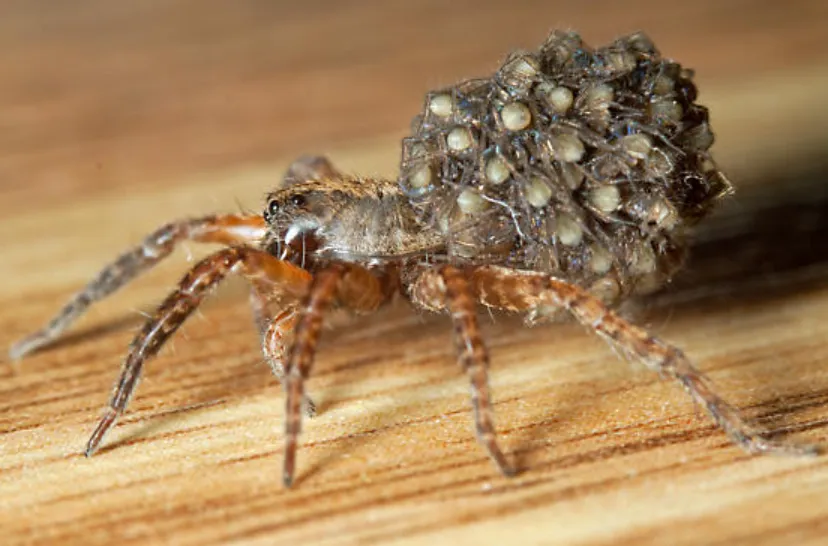
- Parental Care: Certain species, like wolf spiders, carry their young on their backs for protection.
This reproductive process ensures that at least some offspring survive despite environmental challenges and predators.
The importance of them in the ecosystem
Spiders play a crucial role in maintaining ecological balance. Their presence benefits both natural and human environments.
- Natural Pest Control: Spiders consume large numbers of insects, reducing crop damage and disease spread.
- Food Chain Contribution: They serve as prey for birds, reptiles, and other animals.
- Biodiversity Indicators: Healthy spider populations indicate a balanced ecosystem.
- Pollination Support: By controlling insect populations, they indirectly support pollination.
- Medical Research: Spider venom and silk are studied for pharmaceutical and industrial applications.
Without spiders, insect populations would increase dramatically, leading to an ecological imbalance.
What to do to protect them in nature and save the system for the future
Protecting spiders is essential for sustaining ecosystems. Here are practical steps:
- Avoid Killing Spiders: Most are harmless and beneficial for pest control.
- Reduce Pesticide Use: Chemicals can harm spider populations and disrupt ecosystems.
- Preserve Natural Habitats: Protect forests, gardens, and green spaces where spiders thrive.
- Educate Others: Spread awareness about the importance of spiders in nature.
- Support Biodiversity Programs: Participate in conservation initiatives.
- Maintain Garden Diversity: Plant native species to attract insects and support spiders.
- Limit Indoor Disturbance: Allow harmless spiders to coexist in homes when possible.
- Promote Research: Support scientific studies on spiders and their ecological roles.
These actions contribute to a healthier environment and a sustainable future.
Frequently Asked Questions (FAQs)
1. How long is the spider’s life cycle?
It varies by species, ranging from a few months to several years.
2. Do all spiders build webs?
No, many spiders hunt actively without using webs.
3. Are spider bites dangerous?
Most spider bites are harmless, with only a few species posing risks.
4. How do spiders reproduce?
Through mating, egg sac production, and hatching of spiderlings.
5. What do spiders eat?
Primarily insects and small invertebrates.
6. Where do spiders live?
They inhabit diverse environments worldwide, except Antarctica.
7. Do spiders care for their young?
Some species provide parental care, while others do not.
8. Why are spiders important?
They control insect populations and maintain ecological balance.
Conclusion
The spider life cycle is a remarkable journey that highlights the adaptability and resilience of these fascinating creatures. From tiny eggs hidden in silk sacs to fully grown predators, spiders undergo significant transformations that enable them to thrive in diverse environments.
Their evolutionary history reveals millions of years of adaptation, resulting in unique abilities such as silk production and venom use. These traits not only ensure their survival but also make them one of the most efficient natural predators on Earth.
Despite common fears of spiders, especially concerns about bites or species like the brown recluse, the vast majority of spiders are harmless and beneficial. They play a vital role in controlling insect populations, supporting biodiversity, and contributing to ecological stability.
Understanding their reproductive processes and life cycle helps us appreciate their importance and reduces unnecessary fear. Spiders are not just creatures to be avoided—they are essential partners in maintaining a balanced ecosystem.
As we move forward in 2026 and beyond, it is crucial to adopt sustainable practices that protect spider habitats and promote biodiversity. Simple actions, such as reducing pesticide use and preserving natural spaces, can make a significant difference.
Also Read About: Shark Life Cycle