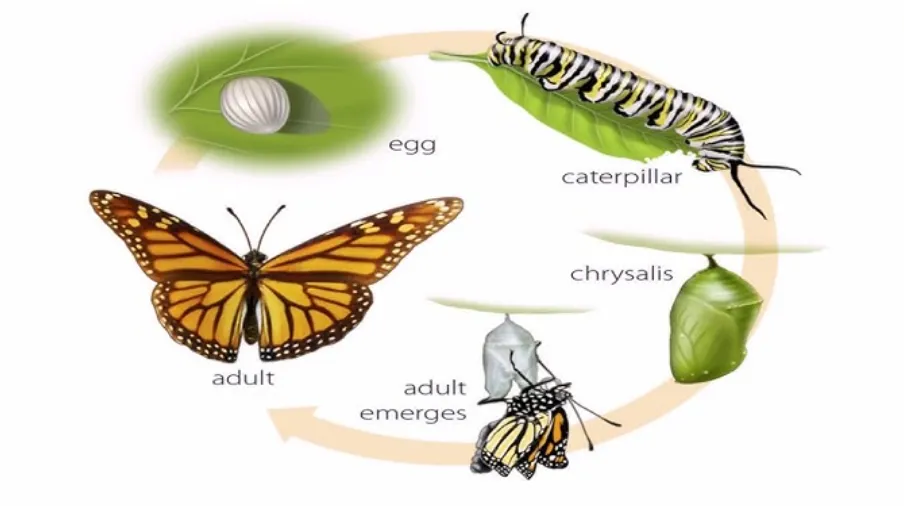
The life cycle for insects is one of the most fascinating processes in nature, involving transformation, survival strategies, and adaptation. Insects are the most diverse group of animals on Earth, making up more than half of all known living organisms. Their life cycles vary widely, but most follow a structured progression from egg to adult.
Understanding insect life cycles is essential for agriculture, environmental balance, and scientific research. Whether you are a student, nature enthusiast, or researcher, learning about how insects grow and survive offers valuable insight into biodiversity.
Quick Answers (Most Common Questions)
1. What are the stages of an insect’s life cycle?
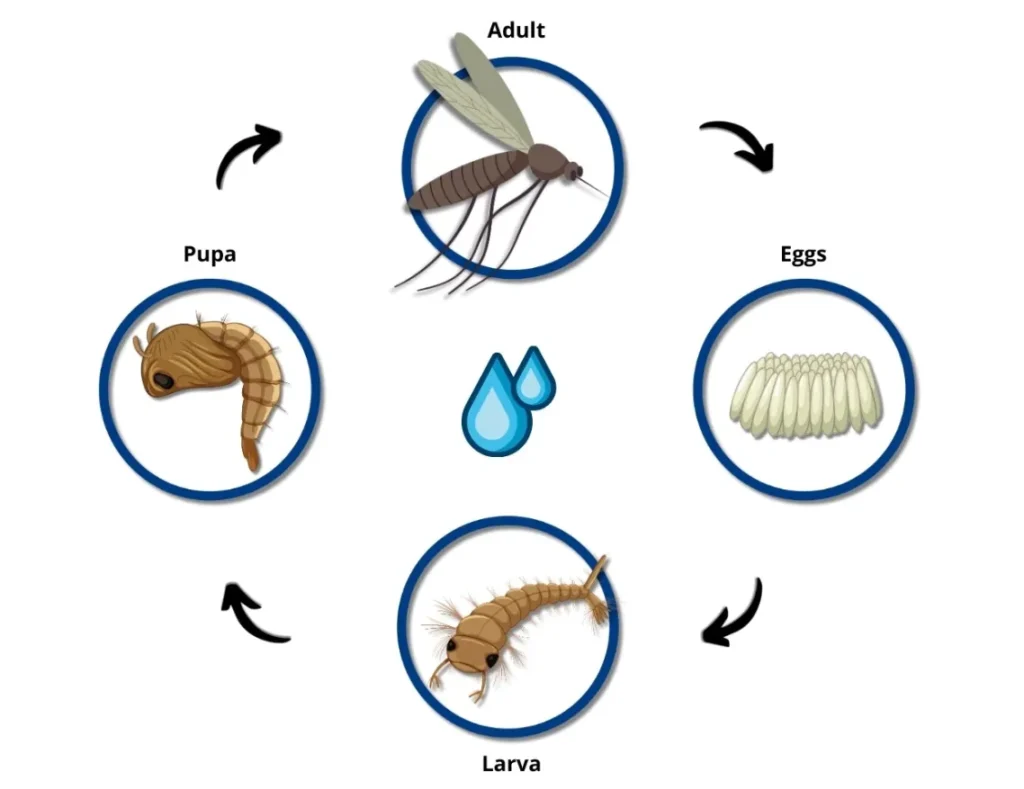
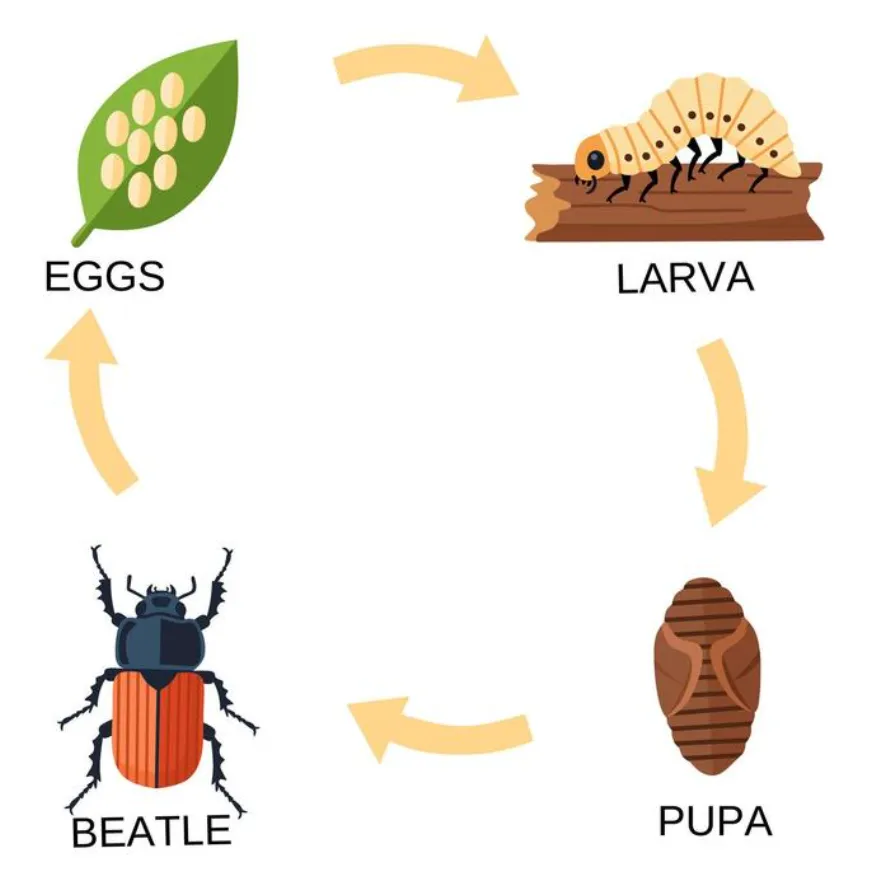
Most insects go through four stages: egg, larva, pupa, and adult (complete metamorphosis) or three stages (egg, nymph, adult) in incomplete metamorphosis.
2. Are insects animals?
Yes, insects are classified as animals under the kingdom Animalia. They belong to the phylum Arthropoda.
3. Are spiders insects?
No, spiders are not insects. They belong to a different class called Arachnida.
Quick Life Cycle Table
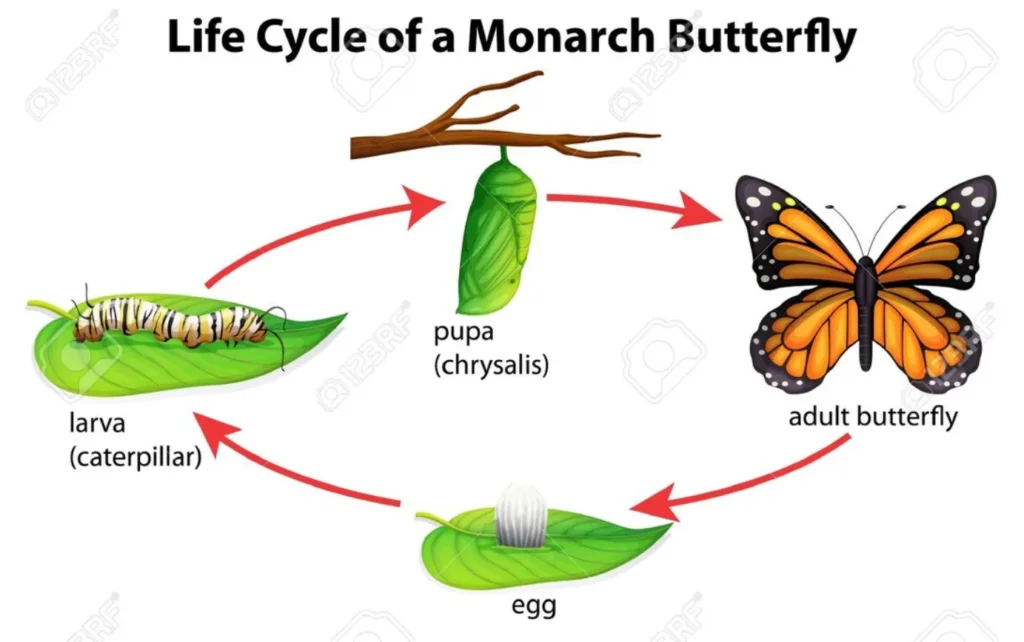
| Stage | Description | Example (Butterfly) |
| Egg | First stage where life begins; laid on plants or surfaces | Tiny eggs on leaves |
| Larva/Nymph | Feeding stage: grows rapidly | Caterpillar |
| Pupa | Transformation stage (in complete metamorphosis) | Chrysalis |
| Adult | Fully developed insect; reproduction stage | Butterfly |
The History Of Their Scientific Naming
The scientific naming of insects follows the binomial nomenclature system introduced by Carl Linnaeus in the 18th century. This system provides each species with a unique two-part name.
- First name (Genus): Indicates the broader group the insect belongs to
- Second name (Species): Specifies the exact organism
For example, the common honeybee is named Apis mellifera.
Key developments in insect classification:
- Early scientists grouped insects based on physical appearance
- Linnaeus introduced standardized classification in 1758
- Modern taxonomy uses DNA analysis for more accurate classification
- Insects are classified under the class Insecta within the Arthropoda
Scientific naming helps researchers communicate globally without confusion. It also allows scientists to track evolutionary relationships and ecological roles.
Their Evolution And Their Origin
Insects are believed to have evolved about 400 million years ago, making them among the oldest groups of animals on Earth. Fossil evidence suggests that early insects lived in aquatic environments before adapting to land.
The evolution of insects is closely linked to the development of wings. Around 300 million years ago, insects became the first animals to fly, giving them a major advantage in survival and expansion.
Key evolutionary milestones:
- Transition from water to land
- Development of an exoskeleton for protection
- Evolution of wings for mobility
- Diversification during the Carboniferous period
Insects co-evolved with plants, especially flowering plants. This relationship led to the rise of pollinators like bees and butterflies.
Their adaptability is one reason insects dominate ecosystems today. They can survive in extreme environments—from deserts to rainforests.
Modern insects show incredible diversity due to millions of years of natural selection. Their evolutionary success is tied to rapid reproduction, small size, and the ability to adapt quickly.
Their Main Food and Its Collection Process
Insects have diverse feeding habits depending on their species and life stage. Their diets range from plant material to other animals.
Main Types of Food
- Herbivores: Feed on leaves, nectar, or plant sap
- Carnivores: Eat other insects or small animals
- Omnivores: Consume both plants and animals
- Decomposers: Feed on dead organic matter
Food Collection Methods
- Chewing Mouthparts: Grasshoppers and beetles chew leaves
- Piercing-Sucking: Mosquitoes extract blood or plant fluids
- Sponging: Houseflies absorb liquid food
- Siphoning: Butterflies suck nectar using a proboscis
Behavioral Adaptations
- Ants store food in colonies
- Bees collect nectar and convert it into honey
- Predatory insects like mantises ambush prey
Food availability directly affects insect growth and reproduction. Efficient feeding strategies help insects survive in competitive environments.
Important Things That You Need To Know
Understanding insects requires knowledge of several related concepts. Below are key insights using important LSI keywords.
Insects are incredibly diverse organisms. Many people ask whether insects are animals, and the answer is yes—they belong to the animal kingdom. Their classification under Arthropoda places them alongside crustaceans and arachnids.
However, confusion often arises with spiders. To clarify, are spiders insects? No, spiders are arachnids, not insects. They differ in body structure, having eight legs instead of six.
The study of insects, known as entomology, plays a vital role in agriculture, medicine, and ecology. Entomologists study insect behavior, classification, and environmental impact.
There are countless insect species, including beetles, butterflies, ants, and flies. Each type has unique characteristics and ecological roles.
Additionally, insects are often asked whether they are classified as animals. Indeed, the question of whether insects are animals is a common one, and, scientifically, they are one of the largest animal groups.
Understanding these concepts helps build a strong foundation for studying insect life cycles and their ecological importance.
Their Life Cycle and Ability to Survive in Nature
Complete Metamorphosis
Insects like butterflies undergo four stages: egg, larva, pupa, and adult. Each stage has a unique function.
- Larvae focus on feeding and growth
- Pupae transform into adults
- Adults reproduce and spread
Incomplete Metamorphosis
Insects like grasshoppers develop through three stages: egg, nymph, and adult.
- Nymphs resemble smaller versions of adults
- Gradual growth occurs without a pupal stage
Survival Strategies
- Camouflage to avoid predators
- Rapid reproduction to ensure species survival
- Ability to adapt to changing environments
These life cycles allow insects to occupy different ecological niches during each stage, increasing survival chances.
Their Reproductive Process and Raising Their Children
Insects reproduce primarily through sexual reproduction, though some species can reproduce asexually.
Reproductive Methods
- Egg-laying (oviparous): Most insects lay eggs
- Live birth (rare): Some insects give birth to live young
Mating Behavior
- Use of pheromones to attract mates
- Complex courtship rituals in some species
Parental Care
- Most insects do not care for their offspring
- Some exceptions include ants, bees, and termites
Colony Systems
- Social insects live in structured colonies
- Workers care for larvae and protect the queen
Reproductive efficiency ensures the survival of insect populations across generations.
Importance of Them in this Ecosystem
Pollination
Insects, such as bees and butterflies, pollinate plants, enabling food production.
Decomposition
They break down dead organic matter, recycling nutrients into the soil.
Food Chain Role
Insects serve as food for birds, mammals, and other animals.
Soil Aeration
Burrowing insects improve soil structure and fertility.
Pest Control
Predatory insects help control harmful pests naturally.
Insects are essential for maintaining ecological balance and biodiversity.
What to Do to Protect Them in Nature and Save the System for the Future
- Reduce pesticide use to prevent harming beneficial insects
- Plant native flowers to support pollinators
- Preserve natural habitats like forests and wetlands
- Avoid unnecessary insect killing
- Support organic farming practices
- Create insect-friendly gardens
- Educate others about insect importance
- Reduce pollution and climate impact
Protecting insects helps maintain a stable ecosystem and ensures food security for humans.
Frequently Asked Questions (FAQs)
1. What is the life cycle for insects?
It is the process of growth from egg to adult through various stages.
2. How many stages are in insect life cycles?
Three or four, depending on the type of metamorphosis.
3. Are all insects the same in their life cycles?
No, some undergo complete metamorphosis, others incomplete.
4. Why is metamorphosis important?
It allows insects to adapt to different environments at each stage.
5. Are insects important for humans?
Yes, they help in pollination, decomposition, and pest control.
6. Can insects survive extreme conditions?
Yes, many insects adapt to harsh environments.
7. Do all insects lay eggs?
Most do, but some give live birth.
8. What is the study of insects called?
It is called entomology.
Conclusion
The life cycle for insects is a remarkable process that highlights the adaptability and resilience of these tiny creatures. From egg to adult, each stage plays a crucial role in survival and reproduction. Insects are not only fascinating but also essential for maintaining ecological balance.
Their evolution over millions of years has made them among the most successful organisms on Earth. Whether through pollination, decomposition, or their role in the food chain, insects contribute significantly to the environment.
Understanding their life cycle helps us appreciate their role and encourages us to protect them. By conserving insect populations, we ensure a healthier planet and a sustainable future for generations to come.
Also Read: earwig life cycle