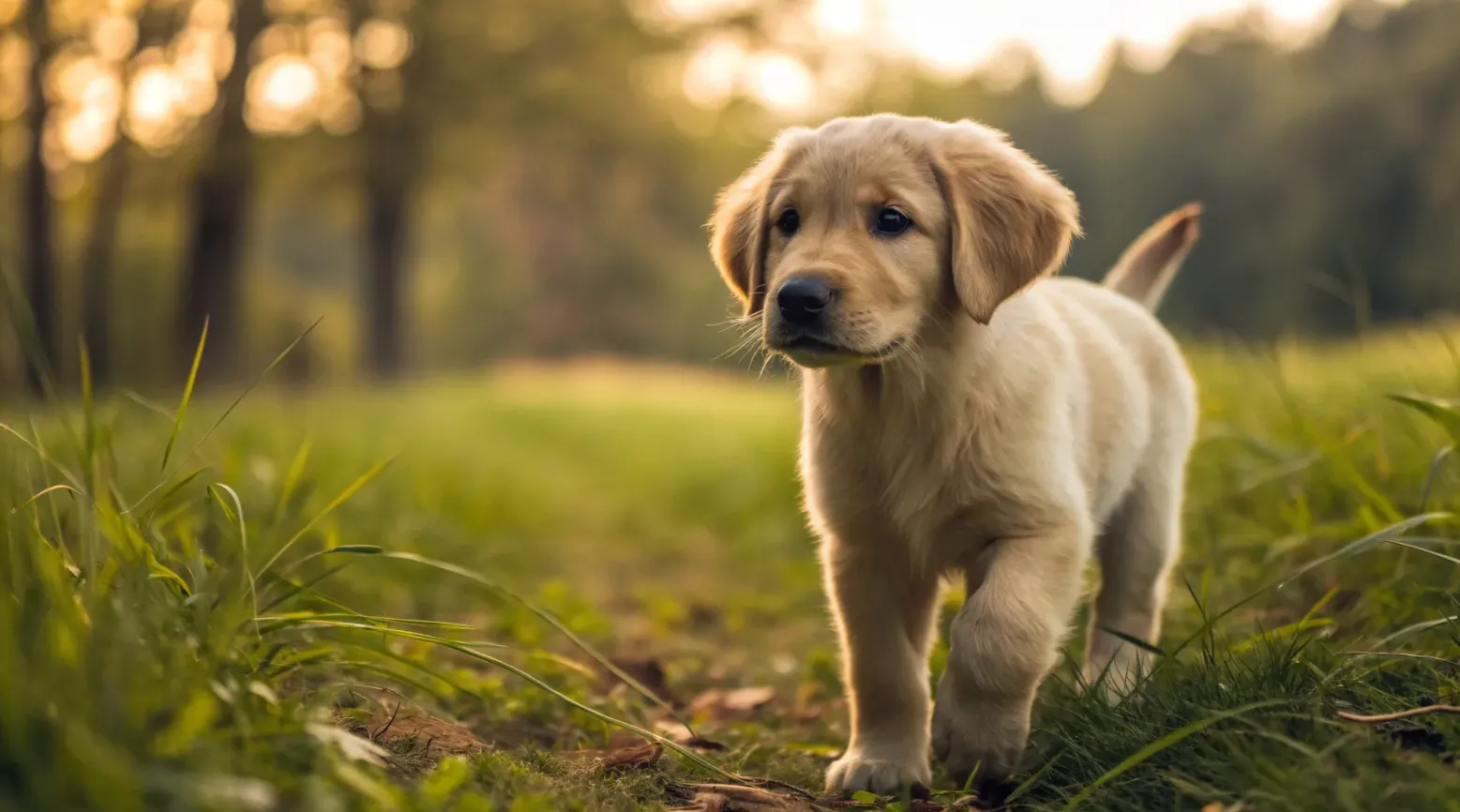
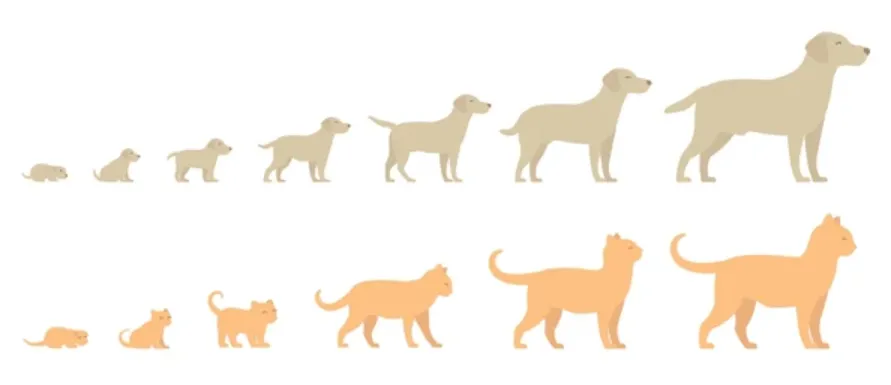
The life cycle of a dog is a fascinating journey that every dog owner or animal lover should understand. From birth to old age, dogs go through several developmental stages that shape their behavior, health, and overall lifespan. Whether you are raising cute dogs, adopting hypoallergenic dogs, or simply curious about canine biology, understanding their life cycle helps you provide better care.
Dogs are among the most loyal companions in human history, and their life cycle is influenced by genetics, environment, nutrition, and care. Each stage—puppyhood, adolescence, adulthood, and senior years—comes with unique needs and characteristics.
Quick Answers (Most Common Questions)
- What is the average life cycle of dogs?
- Most dogs live between 10 and 15 years, depending on breed, size, and health care.
- What are the stages in a dog’s life cycle?
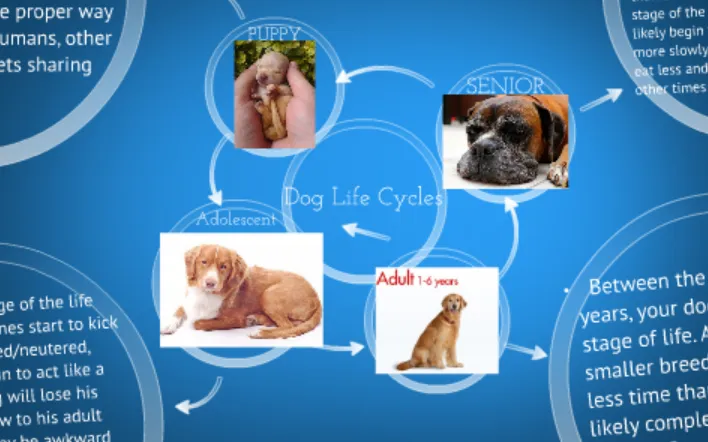
- Puppy → Adolescent → Adult → Senior.
- How can diet affect a dog’s life cycle?
- Proper nutrition, including safe foods like fruits (e.g., apples or watermelon), supports growth, immunity, and longevity.
Understanding these stages ensures your dog lives a happy, healthy, and fulfilling life.
Quick Life Cycle Table
| Stage | Age Range | Key Characteristics | Care Needs |
| Puppy | 0–1 year | Rapid growth, playful, learning | Vaccination, training, nutrition |
| Adolescent | 1–2 years | High energy, behavioral development | Training, socialization |
| Adult | 2–7 years | Stable behavior, peak health | Balanced diet, exercise |
| Senior | 7+ years | Slower movement, aging signs | Regular vet care, special diet |
The History Of Their Scientific Naming
The scientific naming of dogs is rooted in taxonomy and classification systems developed by early naturalists.
- Dogs are scientifically known as Canis lupus familiaris, a subspecies of the gray wolf.
- The classification reflects their evolutionary link to wolves, highlighting shared genetic traits.
- Early scientists like Carl Linnaeus played a key role in naming species, including domestic dogs.
- The genus Canis includes wolves, foxes, and other similar animals.
- The term “familiaris” emphasizes domestication and the close relationship between dogs and humans.
This naming system helps researchers understand behavior, genetics, and biological similarities among species. It also provides a universal language for scientists worldwide.
Their Evolution And Their Origin
Dogs evolved from ancient wolves thousands of years ago. Scientific studies suggest that domestication began around 15,000 to 40,000 years ago, when wolves began interacting with human settlements.
Early wolves likely scavenged near human camps, gradually forming a mutual relationship. Humans benefited from protection and hunting assistance, while wolves gained access to food.
Over time, selective breeding led to the wide variety of dog breeds we see today. From large guard dogs to small companion breeds, humans influenced their physical and behavioral traits.
Modern dogs still carry genetic traits from wolves, such as pack behavior and communication signals. However, they have adapted to human lifestyles, becoming more social and dependent.
Today, dogs exist in diverse environments—from urban homes to rural farms. Their evolution reflects a remarkable transformation shaped by human interaction and natural adaptation.
Their Main Food and Its Collection Process
Dogs are omnivores, meaning they eat both animal and plant-based foods. Their diet plays a critical role in their life cycle.
Main Food Sources
- Meat (chicken, beef, fish)
- Vegetables and grains
- Commercial dog food
- Fruits (safe options like apples and watermelon)
Food Collection Process
- Domesticated dogs rely on humans for feeding
- Wild dogs hunt or scavenge for food
- Dogs use their strong sense of smell to locate food
- Pack hunting behavior helps in capturing prey
Nutritional Importance
- Protein supports muscle development
- Carbohydrates provide energy
- Vitamins strengthen immunity
- Water is essential for survival
A balanced diet ensures proper growth, energy, and longevity throughout their life cycle.
Their Life Cycle and Ability to Survive in Nature
Puppy Stage
Puppies are born blind and deaf. They rely entirely on their mother for nourishment and warmth. Survival depends on maternal care and protection.
Adolescent Stage
Dogs begin exploring their environment. They develop social skills and independence. This stage is critical for learning survival behaviors.
Adult Stage
Adult dogs reach peak strength and reproductive capability. They can adapt to various environments, whether domestic or wild.
Senior Stage
Older dogs experience reduced mobility and slower metabolism. Survival depends on proper care, nutrition, and a safe environment.
Dogs are highly adaptable animals. Their ability to survive in nature comes from strong instincts, intelligence, and social behavior.
Their Reproductive Process and Raising Their Children
Dogs reproduce through sexual reproduction.
Reproductive Process
- Female dogs go into heat approximately twice a year
- Mating occurs during the fertile period
- Pregnancy lasts about 58–68 days
Birth and Care
- Mothers give birth to litters of puppies
- Puppies depend on their mother’s milk for nutrition
- The mother provides warmth, protection, and grooming
Raising Puppies
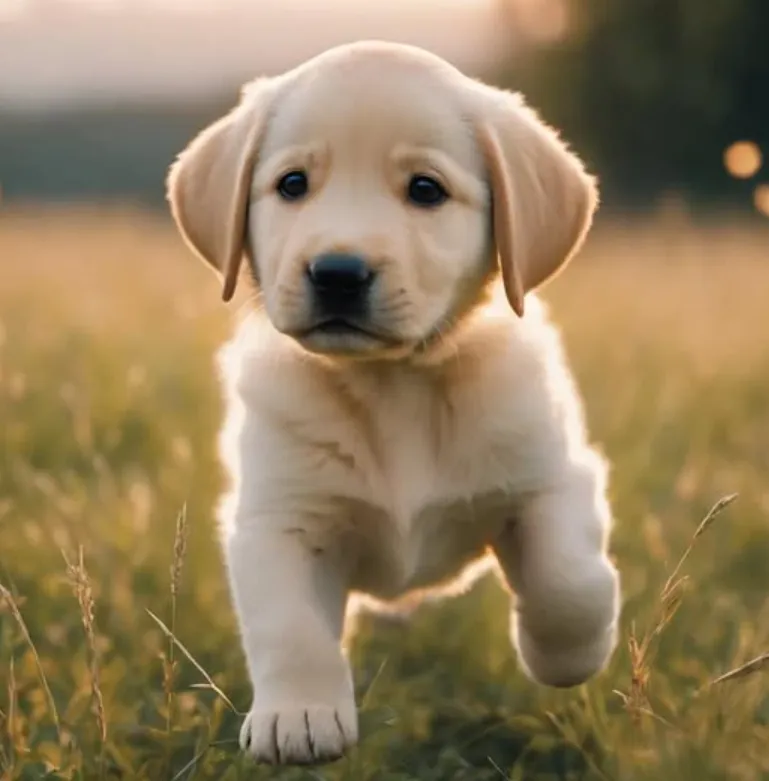
- Puppies open their eyes after 1–2 weeks
- They begin walking and exploring within a few weeks
- Socialization starts early, especially with humans
Proper care during this stage ensures healthy development and survival.
Importance of Them in this Ecosystem
Role as Companions
Dogs provide emotional support and companionship to humans.
Role in Security
They act as guard animals, protecting homes and property.
Role in Wildlife Balance
In the wild, dogs help maintain ecological balance through hunting.
Role in Human Services
Dogs assist in search and rescue, therapy, and law enforcement.
Their presence strengthens both natural ecosystems and human society.
Important Things That You Need To Know
Dogs are not just pets—they are complex animals with specific needs. Understanding key facts helps improve their quality of life.
Many people ask, “Can dogs eat watermelon?” or” Can dogs eat apples?” The answer is yes, but only in moderation. These fruits provide hydration and vitamins, but should be seed-free and properly prepared.
Choosing the right breed matters too. Hypoallergenic dogs are ideal for people with allergies because they shed less and produce fewer allergens.
People love cute dogs, but appearance should not be the only factor. Health, temperament, and care requirements are equally important.
Dogs need regular exercise, mental stimulation, and proper grooming. Neglecting these can lead to health and behavioral problems.
Understanding these essential aspects ensures a healthy and happy life for your dog.
What to Do to Protect Them in Nature and Save the System for the Future
- Provide proper shelter and safe living conditions
- Ensure regular veterinary check-ups
- Avoid abandoning pets in the wild
- Support animal welfare organizations
- Promote responsible breeding practices
- Feed them balanced and nutritious food
- Educate others about proper dog care
- Prevent environmental pollution that affects animals
- Encourage adoption instead of buying pets
- Protect natural habitats for wild canine species
These actions help maintain ecological balance and improve the lives of dogs.
Frequently Asked Questions (FAQs)
1. What are the stages of a dog’s life cycle?
Puppy, adolescent, adult, and senior stages.
2. How long do dogs usually live?
Most dogs live between 10 and 15 years, depending on breed and care.
3. Can dogs eat fruits like apples and watermelon?
Yes, but in moderation and without seeds.
4. What is the scientific name of dogs?
Canis lupus familiaris.
5. Are hypoallergenic dogs completely allergy-free?
No, but they produce fewer allergens.
6. How often do dogs reproduce?
Female dogs typically go into heat twice a year.
7. What is the most important stage in a dog’s life?
The puppy stage shapes behavior and health.
8. How can I improve my dog’s lifespan?
Provide proper nutrition, exercise, and regular medical care.
Conclusion
The life cycle of a dog is a remarkable journey that reflects growth, adaptation, and companionship. From vulnerable puppies to wise senior dogs, each stage plays a crucial role in shaping their lives.
Understanding their life cycle helps owners provide better care, ensuring dogs live longer and healthier lives. Proper nutrition, including safe foods such as fruits, regular exercise, and veterinary care, significantly impacts their well-being.
Dogs are more than just pets—they are loyal companions, protectors, and vital members of our ecosystem. By learning about their life cycle and needs, we can create a better environment for them and strengthen the bond we share.
Also Read: fish life cycle