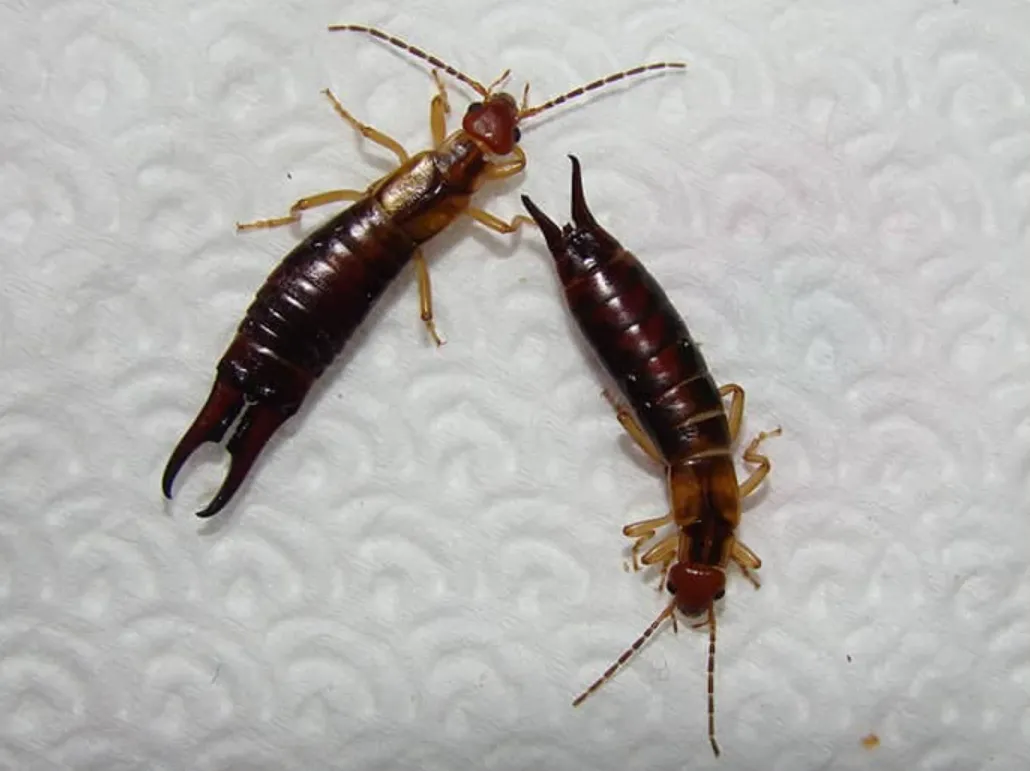
The earwig life cycle is a fascinating process that reveals how these small, often misunderstood insects grow, survive, and contribute to the ecosystem. Earwigs are nocturnal insects known for their distinctive pincers and preference for moist environments. Despite common myths, they are generally harmless and play a beneficial role in nature.
Understanding their life cycle helps homeowners, gardeners, and nature enthusiasts better manage or coexist with them. From egg to adult, earwigs undergo gradual development, showing unique maternal care uncommon among insects.
Quick Answers (Most Common Questions)
1. What is the life cycle of an earwig?
Earwigs go through three main stages: egg, nymph, and adult. They do not have a pupal stage.
2. Do earwigs bite humans?
Earwig bite incidents are extremely rare and usually harmless. Their pincers may pinch, but they do not inject venom.
3. How long do earwigs live?
The average lifespan of an earwig is about 1 year, depending on environmental conditions.
Quick Life Cycle Table
| Stage | Duration | Description |
| Egg | 5–10 days | Laid in soil, guarded by a female |
| Nymph | 40–60 days | Resembles small adults, moults several times |
| Adult | 3–12 months | Fully developed with wings and pincers |
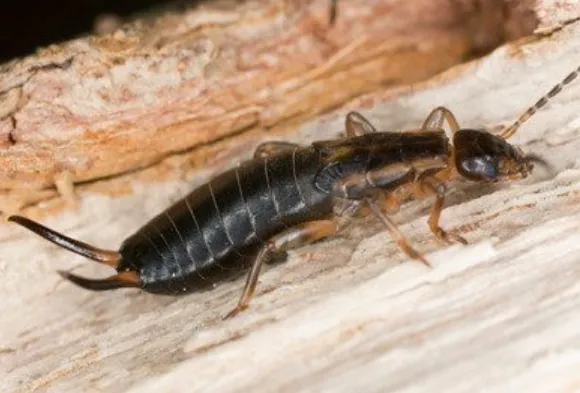
The History Of Their Scientific Naming
The scientific classification of earwigs provides insight into their biological identity and evolution.
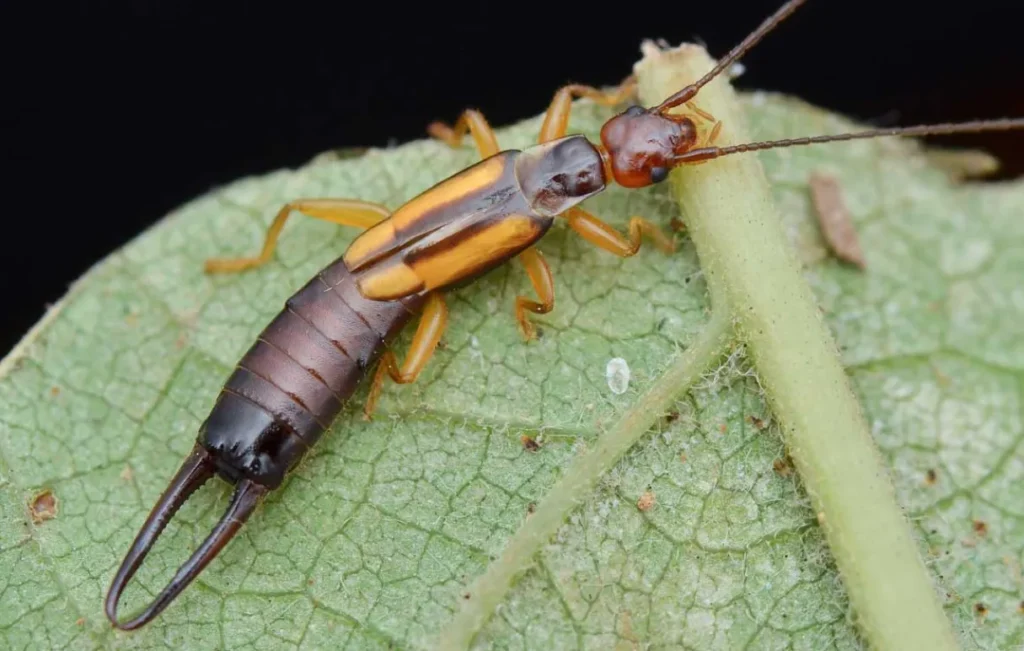
- Earwigs belong to the order Dermaptera, derived from Greek words meaning “skin wings,” referring to their folded hind wings.
- The name “earwig” comes from Old English ēare-wicga, meaning “ear creature,” based on ancient myths.
- The most common species, Forficula auricularia, was named by Carl Linnaeus in 1758.
- Scientists classify earwigs based on their unique cerci (pincers), which differ between males and females.
- Over 2,000 species of earwigs have been identified worldwide.
These naming conventions help researchers understand their behaviour, distribution, and ecological roles.
Their Evolution And Their Origin
Earwigs are among the oldest surviving insect groups, with fossil records dating back over 200 million years to the Jurassic period. Their evolutionary success is due to adaptability and simple yet effective biological structures.
Early earwig ancestors had longer wings and different body shapes. Over time, they evolved into the modern form we see today, characterised by short forewings and hidden hind wings. These adaptations allowed them to thrive in tight, moist environments.
One of the most distinctive features of earwigs—their pincers—has also evolved. Initially used for defence, these appendages now serve multiple purposes, including mating rituals, protection, and prey capture.
Their origin is believed to trace back to ancient tropical regions, from where they spread globally. Today, earwigs are found on every continent except Antarctica.
Their resilience is linked to their omnivorous diet and ability to survive in diverse climates. Evolution has also given them a rare trait among insects: maternal care. Female earwigs actively protect and clean their eggs, increasing survival rates.
This combination of adaptability, protection mechanisms, and reproductive strategies has allowed earwigs to persist through millions of years of environmental change.
Their Main Food and Its Collection Process
Earwigs are omnivores, meaning they eat both plant and animal matter. Their diet plays a crucial role in maintaining ecological balance.
Main Food Sources
- Decaying plant material
- Fruits and vegetables
- Small insects like aphids
- Fungi and mold
- Organic debris
Food Collection Process
- Earwigs forage mostly at night to avoid predators.
- They use their pincers to grab and manipulate food.
- Their strong mandibles help break down tough materials.
- They prefer moist environments with abundant food.
- They often scavenge rather than hunt actively.
This feeding behaviour makes them both beneficial and sometimes problematic. While they help control pests, they may also damage crops in large numbers.
Their Life Cycle and Ability to Survive in Nature
Egg Stage
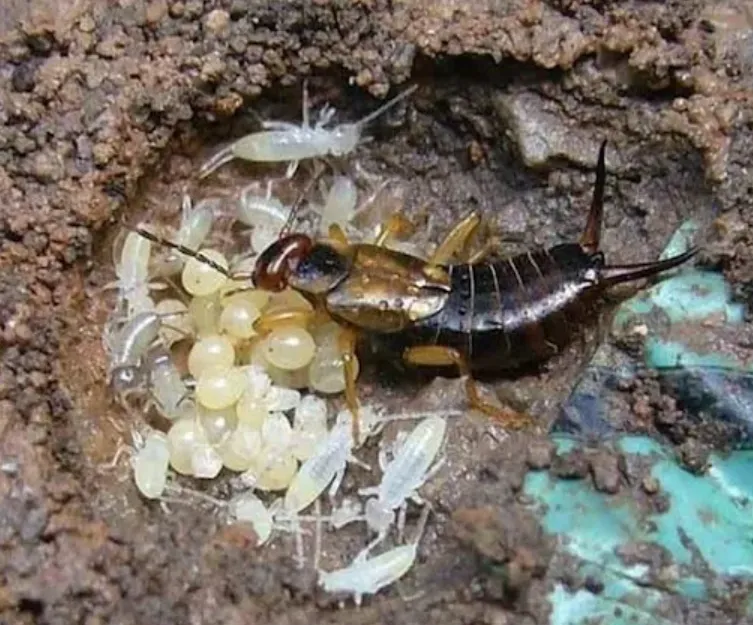
Female earwigs lay eggs in underground nests during late winter or early spring. They guard and clean the eggs, preventing fungal infections.
Nymph Stage
After hatching, nymphs resemble miniature adults. They moult 4–5 times before reaching maturity. During this stage, they remain close to their mother.
Adult Stage
Adult earwigs become independent and start reproducing. They develop wings but rarely fly.
Earwigs survive due to:
- Nocturnal habits that reduce predation
- Ability to hide in small crevices
- High adaptability to environments
- Protective maternal behavior
These traits ensure their survival even in challenging conditions.
Important Things That You Need To Know
Understanding key aspects of earwigs helps manage them effectively and correct common myths.
The earwig is often misunderstood due to its appearance, especially its pincers. However, it is generally harmless and beneficial.
Key Insights
- A house earwig commonly enters homes in search of moisture, not to harm humans.
- Many people fear an earwig bite, but these insects rarely bite and are not dangerous.
- Using earwig traps, such as oil traps or damp newspapers, is an effective control method.
- A baby earwig looks like a smaller version of an adult and undergoes several moults.
- Understanding what an earwig is helps reduce fear and promotes eco-friendly control methods.
Earwigs play a dual role. While they can damage plants, they also eat harmful pests, making them useful in gardens.
To manage them naturally:
- Reduce moisture around your home
- Seal entry points
- Use organic traps
Balanced control ensures that their ecological benefits are preserved.
Their Reproductive Process and Raising Their Children
Earwigs exhibit rare parental care among insects.
Reproductive Process
- Mating occurs in autumn or early spring
- Females store sperm for later fertilisation
- Eggs are laid in underground chambers
Parental Care
- Females guard eggs from predators
- They clean eggs to prevent fungus
- Mothers feed young nymphs
Raising Offspring
- Nymphs stay with their mother after hatching
- The mother provides protection and food
- Independence begins after the first moult
This behaviour significantly increases survival rates compared to those of other insects.
Importance of Them in this Ecosystem
Natural Pest Control
Earwigs consume aphids and other harmful insects, helping farmers and gardeners.
Decomposition
They break down organic matter, enriching soil nutrients.
Food Source
Earwigs serve as prey for birds, frogs, and other predators.
Soil Health
Their burrowing helps aerate soil, improving plant growth.
Despite being considered pests, earwigs contribute significantly to ecological balance.
What to Do to Protect Them in Nature and Save the System for the Future
- Avoid excessive pesticide use
- Maintain natural habitats like leaf litter
- Encourage biodiversity in gardens
- Use eco-friendly pest control methods
- Preserve moist environments where they thrive
- Educate others about their ecological benefits
- Support organic farming practices
- Create balanced ecosystems instead of eliminating species
Protecting earwigs helps create a healthier, more sustainable environment.
Frequently Asked Questions (FAQs)
1. Are earwigs dangerous to humans?
No, they are harmless and rarely pinch.
2. Why are earwigs found in homes?
They seek moisture and shelter.
3. Do earwigs really crawl into ears?
No, this is a myth with no scientific evidence.
4. What attracts earwigs?
Moisture, food, and dark hiding places.
5. How can I control earwigs naturally?
Use traps, reduce moisture, and seal entry points.
6. What do baby earwigs look like?
They resemble small versions of adults.
7. Do earwigs have wings?
Yes, but they rarely use them.
8. How long do earwigs live?
Typically, around one year.
Conclusion
The earwig life cycle highlights the resilience and adaptability of these unique insects. From carefully guarded eggs to independent adults, earwigs demonstrate behaviours rarely seen in the insect world, especially maternal care.
Although often misunderstood, earwigs play a crucial role in ecosystems by controlling pests, decomposing organic matter, and supporting soil health. Their presence is a sign of a balanced environment.
Instead of eliminating them, adopting eco-friendly management practices allows humans to coexist with earwigs while maintaining ecological harmony. Understanding their life cycle, habits, and benefits is key to appreciating their role in nature.
By respecting een the smallest creatures, we contribute to a healthier planet and a more sustainable future.
Also Read About: tomato worm life cycle