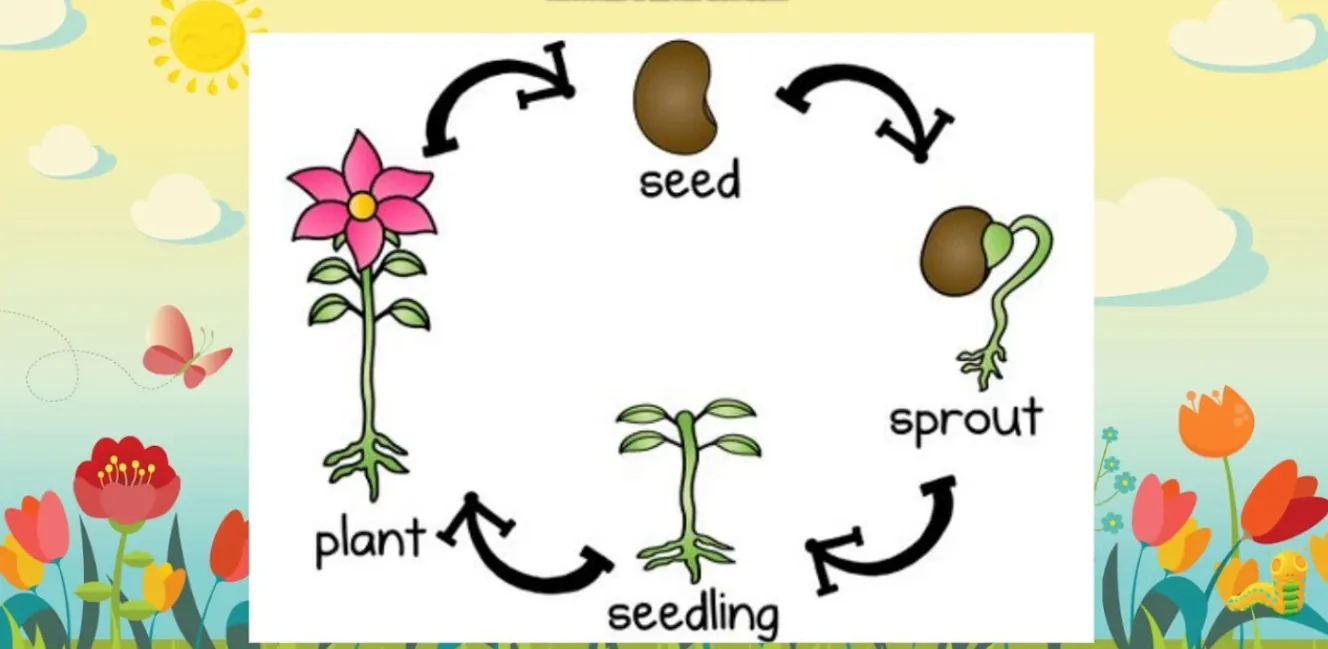
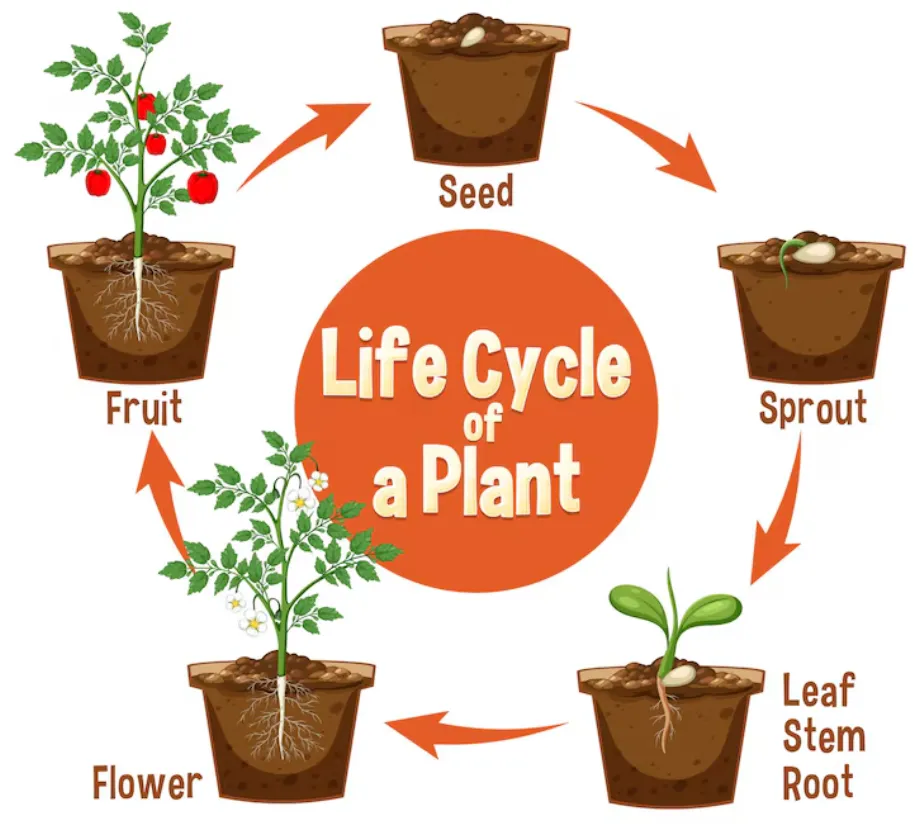
The life cycle of a plant is one of nature’s most fascinating processes. From a tiny seed to a fully grown organism that produces flowers, fruits, and oxygen, plants play a critical role in sustaining life on Earth. Understanding this cycle not only helps gardeners and farmers but also deepens our appreciation for ecosystems.
Plants go through several stages: germination, growth, reproduction, and eventually decay. Each stage is essential for maintaining biodiversity and ecological balance. Whether you are growing a money plant, caring for a pothos plant, or planting a tree, knowing the life cycle helps ensure healthy growth.
Quick Answers (Most Common Questions)
1. What are the main stages in the plant life cycle?
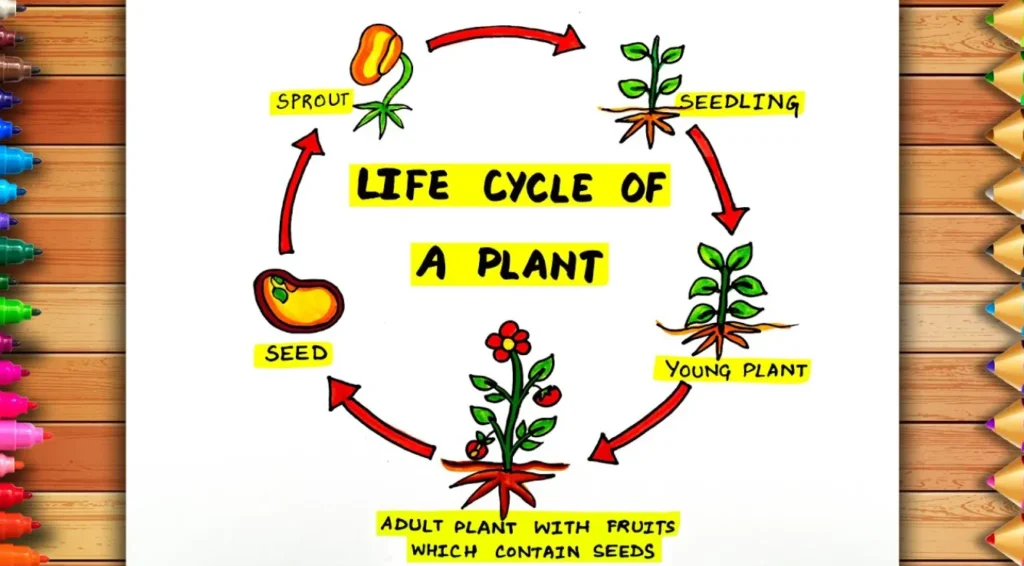
The main stages are seed, germination, seedling, mature plant, flowering, reproduction, and death.
2. How long does a plant’s life cycle take?
It varies. Some plants complete their cycle in weeks (annuals), while trees may take decades.
3. Do all plants follow the same life cycle?
Yes, the basic stages are similar, but duration and complexity differ across species.
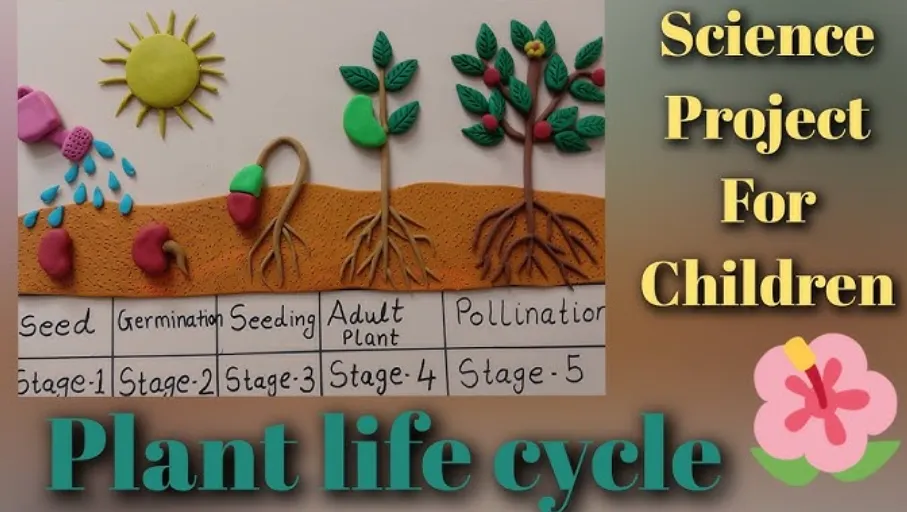
Quick Life Cycle Table
| Stage | Description | Key Activity |
| Seed | Dormant stage | Contains embryo |
| Germination | Seed sprouts | Root and shoot emerge |
| Seedling | Young plant | Leaf development |
| Growth | Mature plant forms | Photosynthesis increases |
| Flowering | Reproductive phase | Flower production |
| Pollination | Transfer of pollen | Fertilization begins |
| Fruiting | Seeds form | Fruit develops |
| Death/Decay | Life ends | Nutrients return to the soil |
The History Of Their Scientific Naming
The scientific naming of plants, also known as binomial nomenclature, has a rich history rooted in taxonomy.
- Carl Linnaeus developed the system in the 18th century.
- Each plant is given two names: genus and species (e.g., Epipremnum aureum for the pothos plant).
- This universal naming system helps scientists identify plants globally without confusion.
- Early classifications were based on physical traits like leaf shape and flower structure.
- Modern taxonomy includes genetic analysis, making classification more accurate.
- Plants like lavender and elephant ear have distinct scientific names that reflect their traits.
- Naming also reflects plant origin, discoverer, or unique characteristics.
This structured system allows researchers and botanists to study plant evolution, medicinal uses, and ecological roles more effectively.
Their Evolution And Their Origin
Plants have evolved over millions of years, starting from simple aquatic organisms. The earliest plant ancestors were algae, which lived in water and performed photosynthesis.
Around 470 million years ago, plants began to colonize land. This was a major evolutionary breakthrough. Early land plants lacked roots and vascular systems, but over time, they adapted to survive in dry environments.
Key evolutionary milestones include:
- Development of vascular tissues (xylem and phloem) for water transport
- Formation of roots and leaves for nutrient absorption and photosynthesis
- Evolution of seeds, allowing reproduction without water
- Emergence of flowers, improving pollination efficiency
Plants diversified into different groups such as mosses, ferns, gymnosperms, and angiosperms. Today, flowering plants dominate ecosystems due to their adaptability.
Modern plants like the money plant and pothos plant are examples of highly evolved species that can survive in indoor environments. Similarly, large plants, such as the elephant ear, exhibit advanced structural adaptations.
Plant evolution continues as species adapt to climate change, soil conditions, and human influence.
Important Things That You Need To Know
Plants are diverse, and understanding popular varieties can help you connect the life cycle concept to real-life examples.
🌿 Popular Plants and Their Growth Insights
1. Pothos Plant
The pothos plant is known for its resilience and ability to grow in low light. It follows the same life cycle but can propagate easily through cuttings.
2. Elephant Ear Plant
The elephant ear plant has large leaves and thrives in tropical climates. Its growth cycle is rapid during warm seasons.
3. Lavender Plant
The lavender plant is valued for its fragrance and medicinal properties. It requires well-drained soil and sunlight to complete its life cycle effectively.
4. Money Plant
The money plant is popular indoors and symbolizes prosperity. It can grow in water or soil, making it highly adaptable.
5. How to Plant a Tree
Learning how to plant a tree properly ensures successful germination and growth. Proper spacing, soil preparation, and watering are crucial.
6. Plant Cell Diagram
Understanding a plant cell diagram helps explain how plants function at a microscopic level. Chloroplasts, cell walls, and vacuoles are essential components.
These examples show how the plant life cycle applies to different species, whether ornamental, medicinal, or environmental.
Their Main Food and Its Collection Process
Plants are unique because they produce their own food through photosynthesis.
How Plants Make Food:
- Plants absorb sunlight using chlorophyll in leaves
- Carbon dioxide enters through tiny pores called stomata
- Roots absorb water and minerals from the soil
- These elements combine to produce glucose (food)
Key Steps in Food Collection:
- Light absorption: Leaves capture solar energy
- Water uptake: Roots transport water upward
- Gas exchange: Leaves absorb carbon dioxide
- Food synthesis: Glucose is produced and stored
Additional Nutrient Sources:
- Soil minerals like nitrogen and phosphorus
- Organic matter from decomposed plants
- Fertilizers in agricultural settings
Plants store excess food in roots, stems, or fruits. For example, carrots store food in roots, while fruits store nutrients for seed development.
Their Life Cycle and Ability to Survive in Nature
🌱 Seed Stage
The plant life cycle begins with a seed containing an embryo and stored nutrients.
🌿 Germination Stage
With water, oxygen, and warmth, the seed sprouts. Roots grow downward, and shoots grow upward.
🌳 Growth Stage
The plant develops leaves and begins photosynthesis, gaining strength.
🌸 Reproductive Stage
Flowers form, leading to pollination and fertilization.
🍎 Fruiting Stage
Seeds develop inside fruits, ensuring the next generation.
🌍 Survival Abilities
Plants survive through:
- Adaptation to climate conditions
- Efficient water usage
- Defence mechanisms like thorns
- Symbiotic relationships with insects
Some plants can survive drought, while others thrive in water. This adaptability ensures their survival across ecosystems.
Their Reproductive Process and Raising Their Children
Plants reproduce in two main ways:
🌸 Sexual Reproduction
- Involves flowers, pollen, and ovules
- Pollination occurs via wind, insects, or animals
- Fertilisation leads to seed formation
🌿 Asexual Reproduction
- Occurs without seeds
- Methods include cuttings, runners, and bulbs
- Common in plants like pothos
Raising Their “Children”
- Seeds are protected inside fruits
- Dispersal occurs through wind, water, or animals
- Seeds remain dormant until conditions are suitable
This ensures that new plants grow in different locations, reducing competition.
Importance of Them in this Ecosystem
🌍 Oxygen Production
Plants release oxygen through photosynthesis, which is essential for all living beings.
🌱 Food Source
They form the base of the food chain, supporting herbivores and carnivores.
🌿 Climate Regulation
Plants absorb carbon dioxide, helping reduce global warming.
🐝 Biodiversity Support
They provide habitats for insects, birds, and animals.
🌾 Soil Protection
Roots prevent soil erosion and improve fertility.
Plants are the backbone of ecosystems, maintaining balance and sustainability.
What to Do to Protect Them in Nature and Save the System for the Future
- 🌱 Plant more trees and native plants
- 💧 Avoid overwatering and conserve water
- 🌍 Reduce pollution and carbon emissions
- 🚫 Avoid harmful pesticides and chemicals
- ♻️ Practice recycling and sustainable living
- 🌿 Support organic farming
- 🐝 Protect pollinators like bees and butterflies
- 🌳 Educate others about plant conservation
- 🌾 Maintain soil health through composting
- 🌎 Participate in environmental campaigns
Protecting plants ensures a healthier planet for future generations.
Frequently Asked Questions (FAQs)
1. What is the first stage of a plant’s life cycle?
The first stage is the seed stage.
2. What triggers seed germination?
Water, oxygen, and proper temperature.
3. Can plants reproduce without seeds?
Yes, through asexual reproduction.
4. Why are plants important for humans?
They provide oxygen, food, and medicine.
5. How do plants survive harsh conditions?
Through adaptations like deep roots and water storage.
6. What role do flowers play in the life cycle?
They help in reproduction and seed formation.
7. What is photosynthesis?
The process by which plants make food using sunlight.
8. How long can seeds remain dormant?
Some seeds can remain dormant for years.
Conclusion
The life cycle of a plant is a remarkable journey that sustains life on Earth. From a tiny seed to a fully grown organism, each stage plays a vital role in maintaining ecological balance. Plants not only provide oxygen and food but also support biodiversity and regulate the climate.
Understanding this cycle helps us appreciate the importance of plants in our daily lives. Whether it’s growing a money plant at home or learning how to plant a tree, every action contributes to environmental sustainability.
By protecting plants and promoting green practices, we ensure a healthier future for our planet. Nature depends on plants—and so do we.
Also Read About: cicada bug life cycle