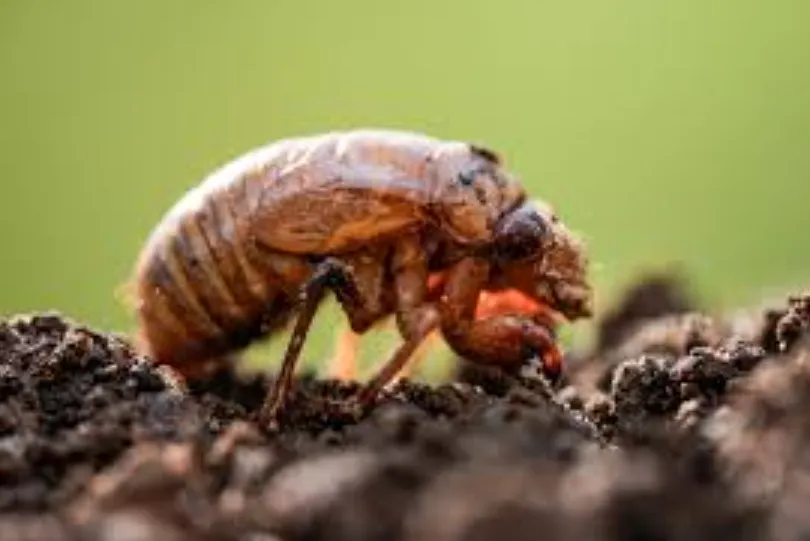
The cicada bug’s life cycle is one of the most fascinating natural processes in the insect world. Cicadas are known for their loud buzzing sounds and long underground development stages. Found across many parts of the world, including the famous Arizona cicada, these insects have intrigued scientists and nature lovers for centuries.
Cicadas spend most of their lives hidden beneath the soil, emerging only for a short time above ground. Their life cycle can range from 2 to 17 years, depending on the species, making them among the longest-lived insects in terms of development.
Their loud cicada bug sound is often associated with summer, and their appearance—especially the green cicada bug—makes them easy to recognize. Understanding their life cycle helps us appreciate their role in the Ecosystem and why they are so important.
Quick Answers (Most Common Questions)
1. How long is the cicada bug’s life cycle?
Cicada life cycles range from 2 to 17 years, with periodical cicadas emerging every 13 or 17 years.
2. What does a cicada bug look like?
Cicadas have large eyes, transparent wings, and often green or brown bodies. The green cicada bug is especially common.
3. Why do cicadas make noise?
Males produce the cicada bug noise to attract females during mating season.
Quick Life Cycle Table
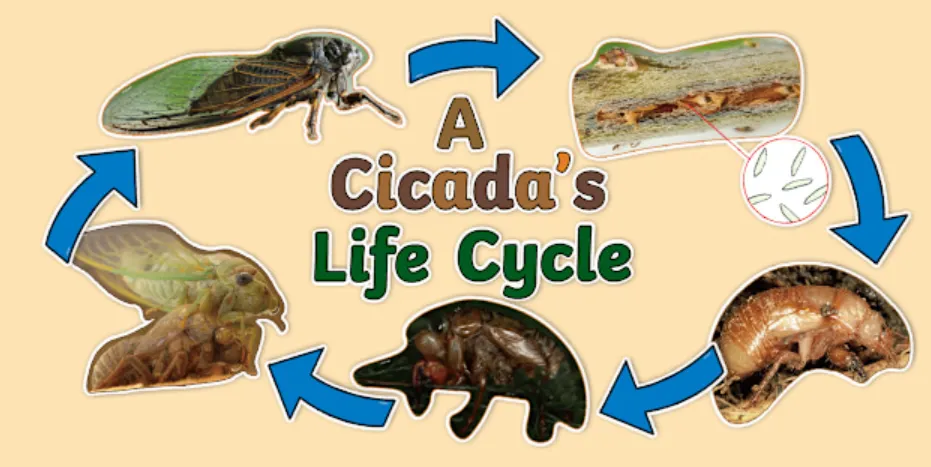
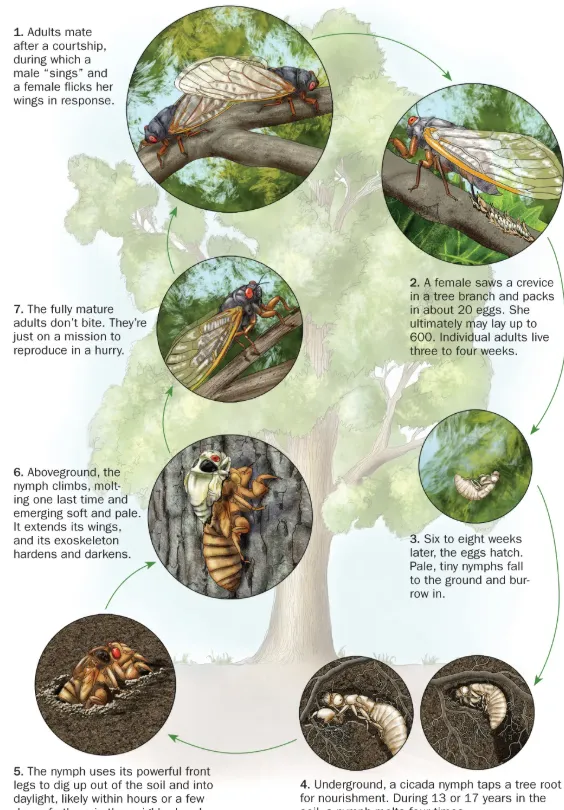
| Stage | Duration | Key Features |
| Egg | 6–10 weeks | Laid in tree branches |
| Nymph | 2–17 years | Lives underground, feeds on roots |
| Emerging Nymph | A few hours to days | Comes out of the soil and sheds skin |
| Adult | 2–6 weeks | Mates produce sound, lay eggs |
The History Of Their Scientific Naming
The scientific classification of cicadas has evolved. Here are key points:
- Cicadas belong to the order Hemiptera, which includes true bugs.
- They are part of the family Cicadidae, first described in the 18th century.
- The name “cicada” comes from Latin, meaning “tree cricket,” although they are not crickets.
- Early naturalists often confused cicadas with locusts due to their sudden mass appearances.
- The genus Magicicada refers to periodical cicadas with 13- and 17-year cycles.
- Scientists classify cicadas based on wing structure, sound patterns, and life cycle duration.
- Modern taxonomy uses DNA analysis to understand species relationships better.
This history of scientific naming reflects how our understanding of cicadas has grown through research and technology.
Their Evolution And Their Origin
Cicadas have an ancient lineage that dates back over 200 million years. Fossil records show that these insects existed during the time of the dinosaurs. Their evolutionary success is largely due to their unique life cycle and survival strategies.
Early cicadas evolved from primitive Hemiptera insects. Over time, they developed specialized mouthparts for feeding on plant fluids. This adaptation allowed them to thrive in various environments.
One of the most remarkable evolutionary traits of cicadas is their long underground development phase. This strategy helps them avoid predators and environmental hazards. By emerging in large numbers, they overwhelm predators—a survival tactic known as predator satiation.
The evolution of their sound-producing organ, called the tymbal, also played a significant role. This structure allows male cicadas to produce the iconic cicada mating call.
Different species adapted to various climates. For example, the Arizona cicada bug evolved to survive in hot, dry environments. Their ability to regulate water loss and withstand heat is a testament to their adaptability.
Overall, cicadas are a perfect example of how insects evolve to survive extreme conditions over millions of years.
Their main food and its collection process
Cicadas have a simple yet efficient feeding system. Their diet mainly consists of plant fluids.
Main Food Sources
- Tree sap (especially from hardwood trees)
- Root xylem fluids
- Shrubs and woody plants
Food Collection Process
- Cicadas use a specialized mouthpart called a proboscis.
- This needle-like structure pierces plant tissues.
- They extract nutrient-poor xylem fluid.
- To compensate for low nutrients, they consume large quantities.
Adaptations
- Nymphs feed underground on root fluids.
- Adults feed on tree branches and stems.
- Their digestive system efficiently filters excess water.
Impact on Plants
- Generally harmless in small numbers.
- Large populations may cause minor damage to young trees.
This feeding method supports their long life cycle and helps them grow slowly over many years.
Important Things That You Need To Know
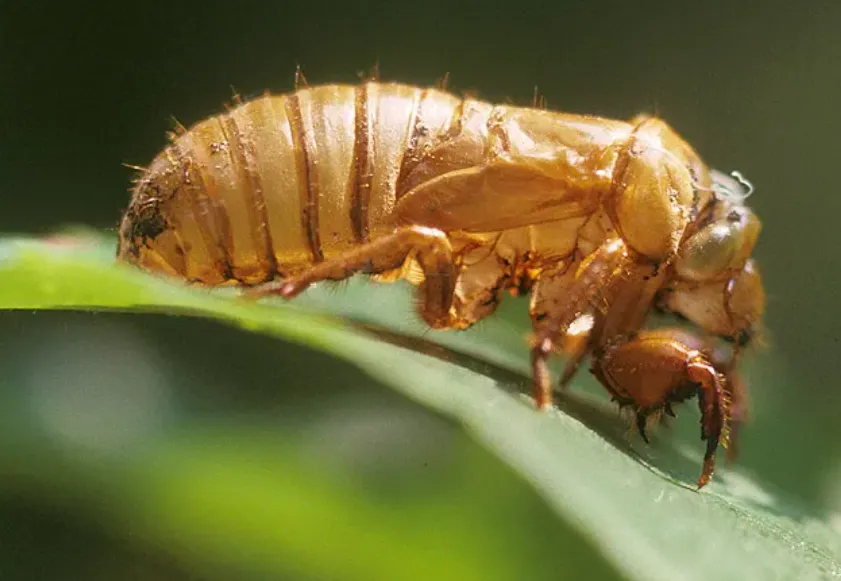
Understanding cicadas goes beyond just their life cycle. Here are essential insights about cicada bugs, cicada bug sound, green cicada bugs, what cicada bugs look like, and cicada bug noise.
Cicadas are often mistaken for grasshoppers, but they belong to a completely different insect group. When people ask, what does a cicada bug look like, the answer includes large compound eyes, transparent wings, and a stout body. Many species, like the green cicada bug, have vibrant green coloring that helps them blend into foliage.
One of the most distinctive features is the cicada bug sound. This loud buzzing or clicking noise is produced by male cicadas using specialized structures called tymbals. The cicada‘s buzz can reach up to 100 decibels, making it one of the loudest insect sounds.
In regions like Arizona, the Arizona cicada bug is well adapted to extreme heat. These cicadas are often active during the hottest parts of the day, unlike many insects.
Cicadas are not harmful to humans. They do not bite or sting. Instead, they play a beneficial role in nature by aerating soil and providing food for other animals.
Their life cycle and ability to survive in nature
Egg Stage
Female cicadas lay eggs in tree branches. These eggs hatch after several weeks.
Nymph Stage
Newly hatched nymphs fall to the ground and burrow into the soil.
They remain underground for years, feeding on root sap.
Emergence Stage
When ready, nymphs emerge from the soil.
They climb trees and shed their exoskeleton.
Adult Stage
Adults live for a few weeks.
They focus on mating and reproduction.
Survival Abilities
- Long underground life protects them from predators.
- Mass emergence confuses predators.
- A strong exoskeleton provides protection.
- Ability to adapt to different climates.
This life cycle ensures their survival despite environmental challenges.
Their Reproductive Process and raising their children
Cicadas have a unique reproductive system that ensures the survival of the species.
Mating Process
- Male cicadas produce loud sounds to attract females.
- Each species has a distinct sound pattern.
- Females respond by flicking their wings.
Egg Laying
- Females cut small slits in tree branches.
- They lay hundreds of eggs at a time.
Development of Offspring
- Eggs hatch into nymphs.
- Nymphs drop to the ground and burrow.
- They begin feeding on roots immediately.
Parental Role
- No parental care after eggs are laid.
- Survival depends on instinct and environment.
Reproductive Strategy
- A large number of eggs increases survival chances.
- Synchronization of emergence ensures mating success.
This process allows cicadas to maintain their population over generations.
The importance of them in this Ecosystem
Soil Aeration
Cicada nymphs dig tunnels, improving soil structure and water flow.
Nutrient Cycling
Their bodies decompose, enriching the soil with nutrients.
Food Source
They provide food for birds, mammals, and other insects.
Tree Growth Support
Their feeding stimulates plant growth in some cases.
Biodiversity Support
Cicadas contribute to ecological balance by supporting multiple species.
Their presence indicates a healthy ecosystem.
What to do to protect them in nature and save the system for the future
- Avoid using harmful pesticides in gardens and forests.
- Protect natural habitats, such as forests and grasslands.
- Plant native trees to support cicada populations.
- Reduce soil disturbance during emergence periods.
- Educate others about the importance of cicadas.
- Support conservation programs and research.
- Avoid cutting young trees during egg-laying season.
- Promote eco-friendly farming practices.
Protecting cicadas helps maintain ecological balance.
Frequently Asked Questions (FAQs)
1. What is the cicada bug’s life cycle length?
It ranges from 2 to 17 years, depending on the species.
2. What does a cicada bug look like?
They have large eyes, clear wings, and green or brown bodies.
3. Why is the cicada bug’s sound so loud?
Males use tymbals to produce loud mating calls.
4. Are cicadas harmful to humans?
No, they do not bite or sting.
5. Where are cicadas commonly found?
They are found worldwide, including the USA and Asia.
6. What do cicadas eat?
They feed on plant sap from roots and trees.
7. What is special about the green cicada bug?
Its green color helps it camouflage in trees.
8. Why do cicadas emerge in large numbers?
To overwhelm predators and increase survival chances.
Conclusion
The cicada bug’s life cycle is a remarkable example of nature’s complexity and resilience. From their long underground development to their short but impactful adult life, cicadas showcase unique survival strategies.
Their loud calls, often heard during summer, are not just noise but a vital part of their reproductive process. Whether it’s the green cicada bug or the Arizona cicada, each species plays an important role in maintaining ecological balance.
By understanding their life cycle, feeding habits, and ecological importance, we can better appreciate these fascinating insects. Protecting their habitats and avoiding harmful practices ensures their survival for future generations.
Also Read About: plant life cycle for kids